Nonprofit Buys Cancer Drug to Save Kids' Lives
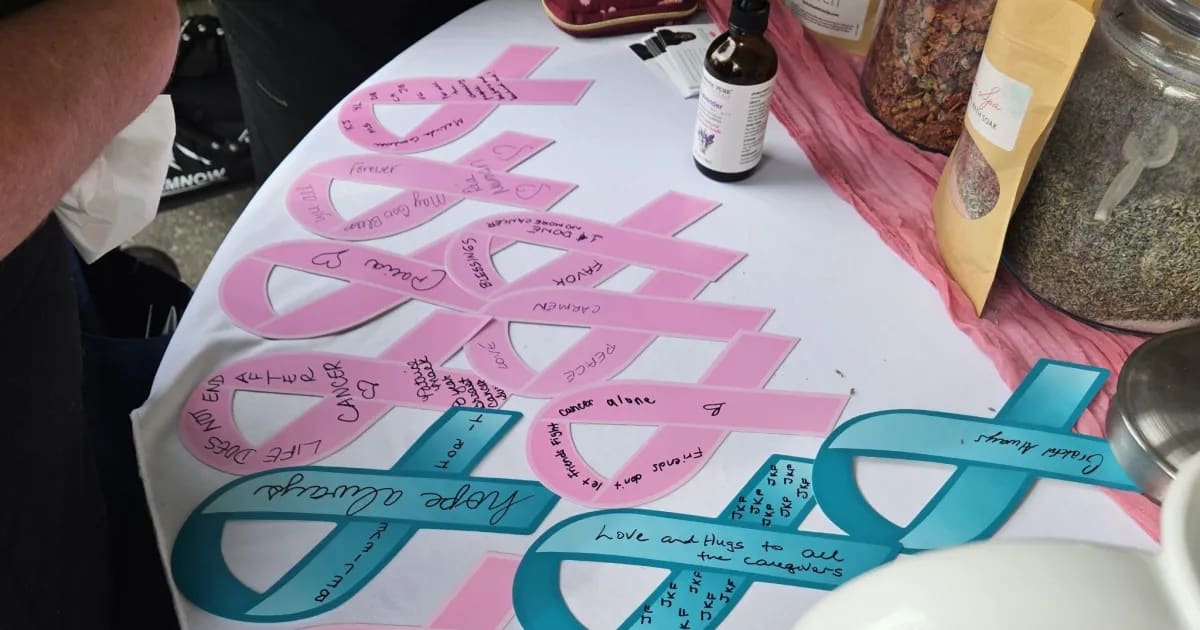
Blood Cancer United purchased a discontinued experimental cancer drug to keep it available for children with rare leukemia. The organization will distribute Luvelta free to about 20 young patients each year while supplies last.
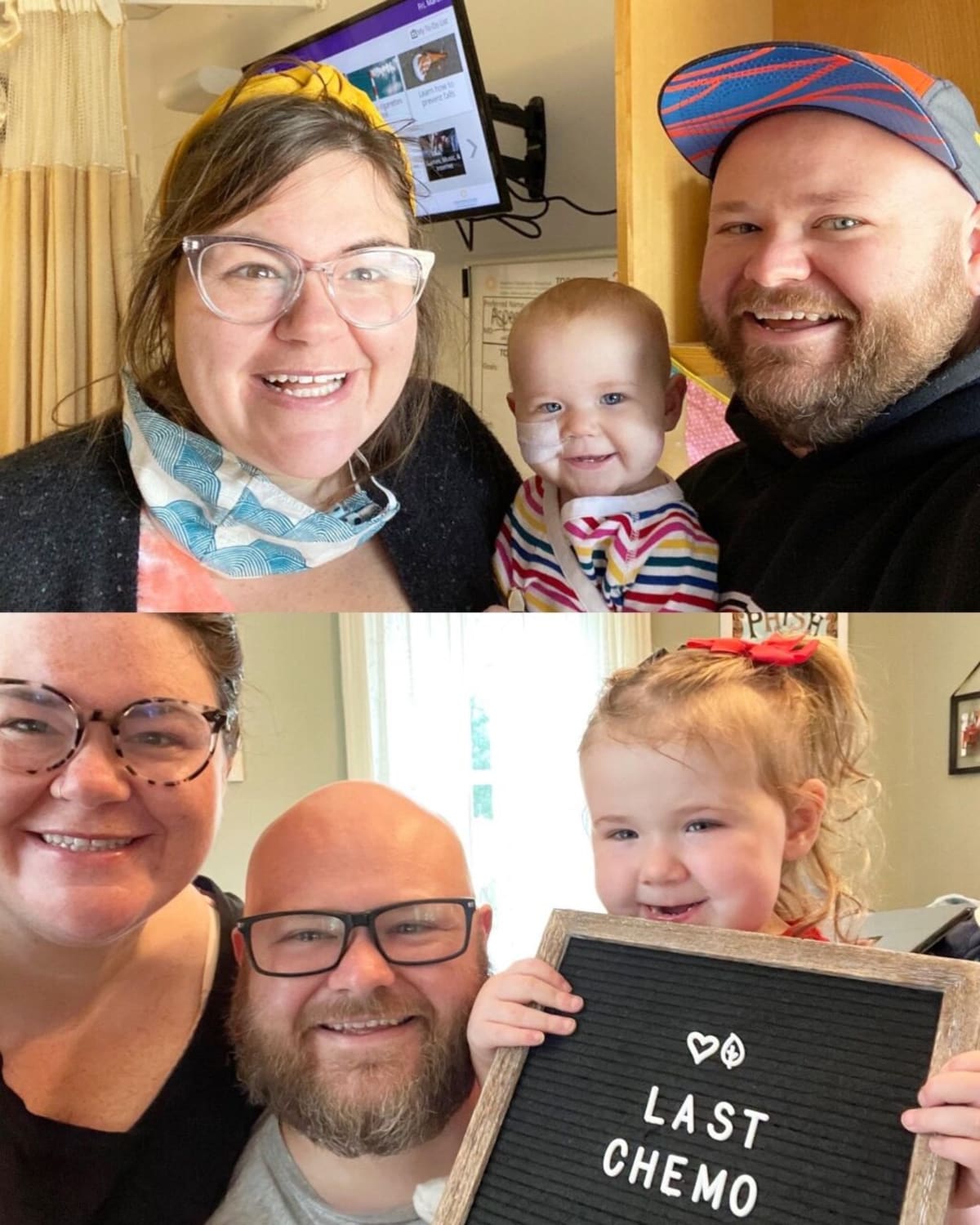
Days after her first birthday, Aspen Peck was diagnosed with a rare form of blood cancer that would have been a death sentence without an experimental drug called Luvelta. Today, she's graduating kindergarten and heading into a summer full of camping and swimming.
When drugmaker Sutro Biopharma discontinued Luvelta in March 2025 to focus on more profitable medications, families like the Pecks faced losing access to a treatment that had saved their children's lives. The drug helps a small group of kids with acute myeloid leukemia survive long enough to receive a stem cell transplant.
Blood Cancer United stepped in with a solution rarely seen in healthcare. The nonprofit announced Thursday it purchased all remaining supplies of Luvelta and took over the compassionate-use program, ensuring the drug reaches patients at no cost.
"I don't think we can overstate the fact that there are children alive today because of this drug," said E. Anders Kolb, the organization's CEO. "If we can get this drug to everybody who needs it, it's a thousand birthdays that may not have happened otherwise."
The problem happens more often than most people realize. Pharmaceutical companies developing drugs for rare diseases face tough economic realities when a medication won't sell in large quantities. Children's medications get hit especially hard because most drugs start with adult uses and pediatric applications become afterthoughts.
Luvelta was originally developed to target lung and ovarian tumors in adults. When those pathways didn't pan out, the pediatric use case became collateral damage, even though the drug showed real promise for kids.
The Ripple Effect
Patient advocate Nancy Goodman sees this purchase as a blueprint for the future. "This is just a terrific model for pediatric cancer drug development because the drug has been de-risked and so much has been invested in the drug in terms of research and development," she said. "I hope this is a model we can replicate."
The current supply expires in 2028, but Blood Cancer United plans to pursue stability testing to potentially extend its shelf life. With approximately 20 new patients needing Luvelta each year, the organization expects to have enough for several years while exploring options for long-term commercialization.
Dr. Crystal Mackall, a pediatric oncology specialist at Stanford University, noted this situation reflects a larger problem. "It is unfortunately one of those stories that we hear too often, of drugs kind of being left behind," she said. "The people who are losing are those individuals with rare diseases, and unfortunately children's cancer is the poster child for this."
For Troy Peck, Aspen's father, the stakes couldn't be clearer. "This is bigger than us, bigger than Aspen," he said. "This is not a numbers game, saving other kids' lives."
Those saved lives mean more graduations, more birthdays, and more summers filled with normal kid stuff.
More Images



Based on reporting by STAT News
This story was written by BrightWire based on verified news reports.
Spread the positivity!
Share this good news with someone who needs it