North America Gets Partial Solar Eclipse August 12, 2026
Millions across North America will witness a partial solar eclipse on August 12, 2026, with northeastern regions seeing up to 61% of the sun covered by the moon. While not as dramatic as 2024's total eclipse, this celestial event offers another chance to safely view our solar system in action.
Get ready to look up again because North America gets another solar eclipse in less than two years. On August 12, 2026, millions of people across the U.S. and Canada will see the moon take a bite out of the sun.
The farther northeast you are, the better the show. Iqaluit, Nunavut will see an impressive 61% of the sun covered, while St. John's, Newfoundland gets 53%. Fairbanks, Alaska clocks in at 37%, and even New York City will see a 10% partial eclipse around 1:54 p.m. local time.
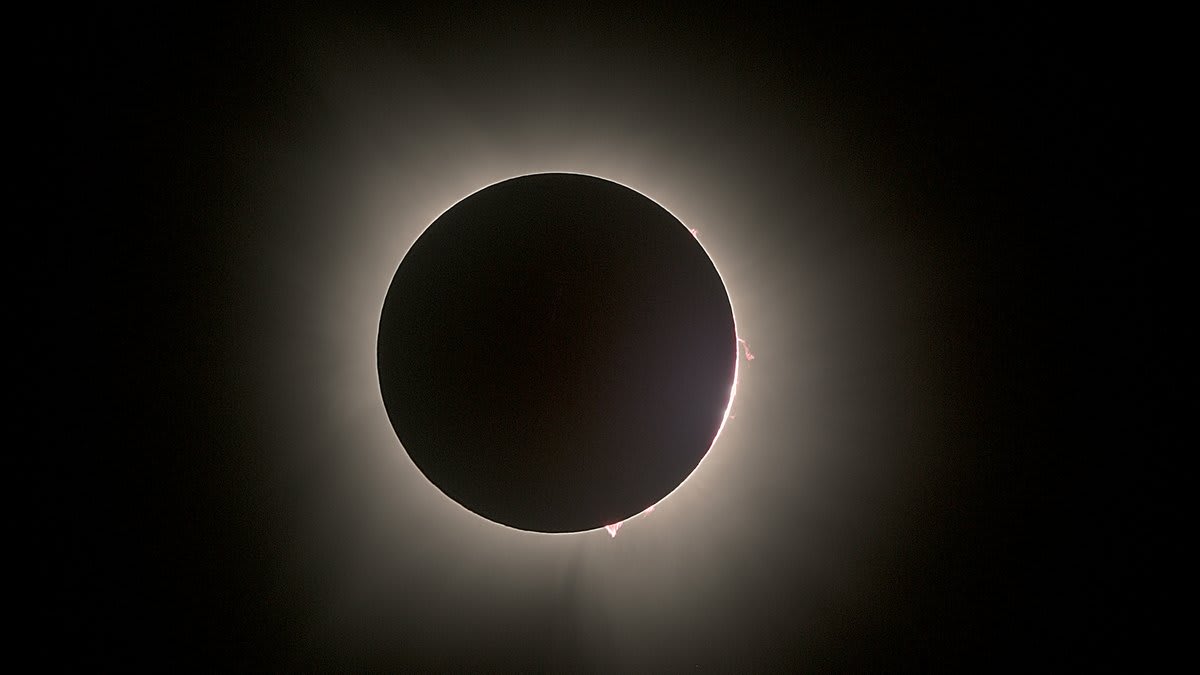
This won't match the spectacular total solar eclipse that wowed 15 U.S. states in April 2024. But for astronomy fans, it's another precious opportunity to witness our solar system's choreography in real time.
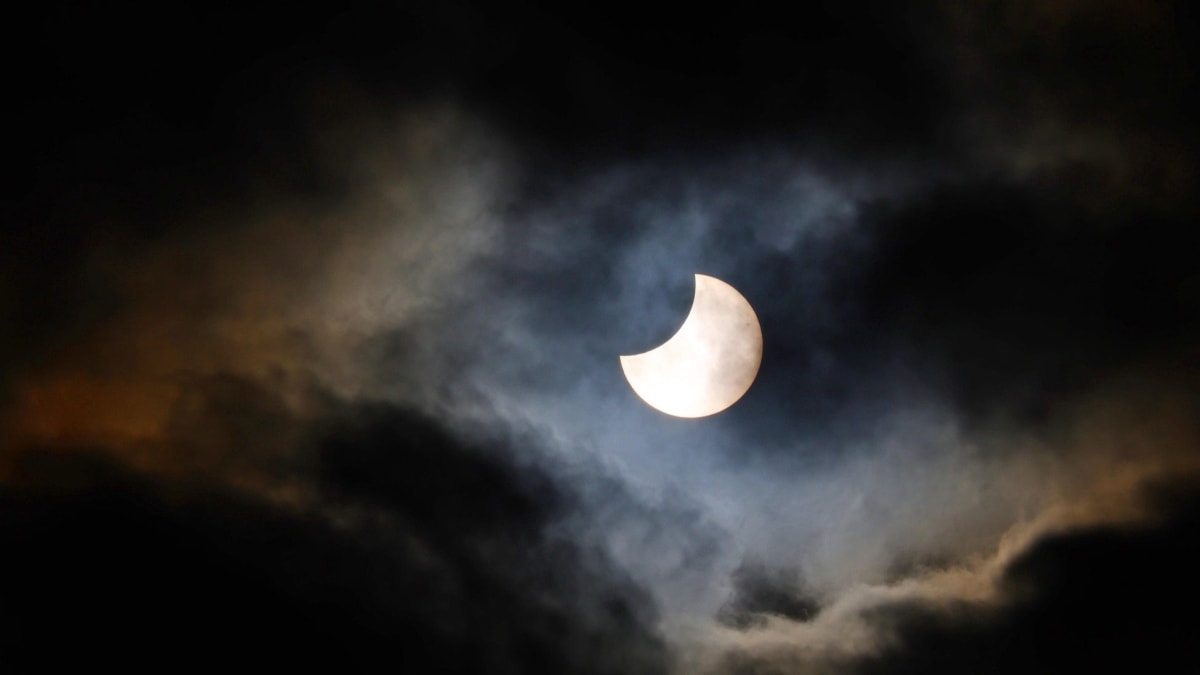
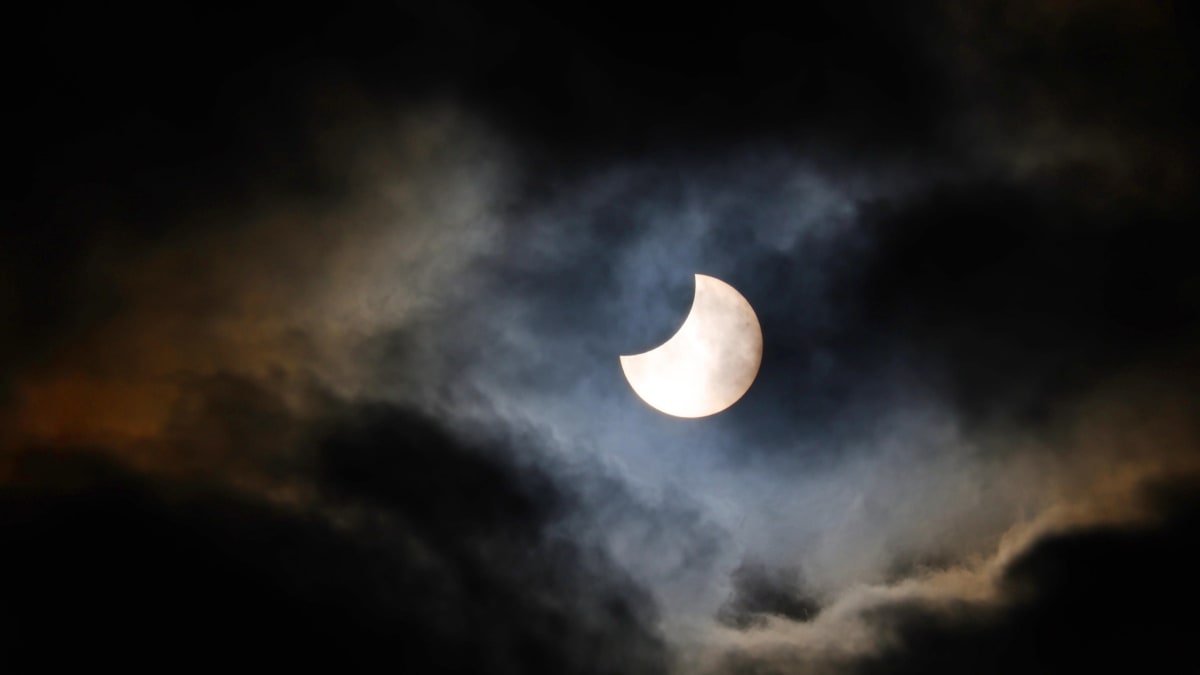
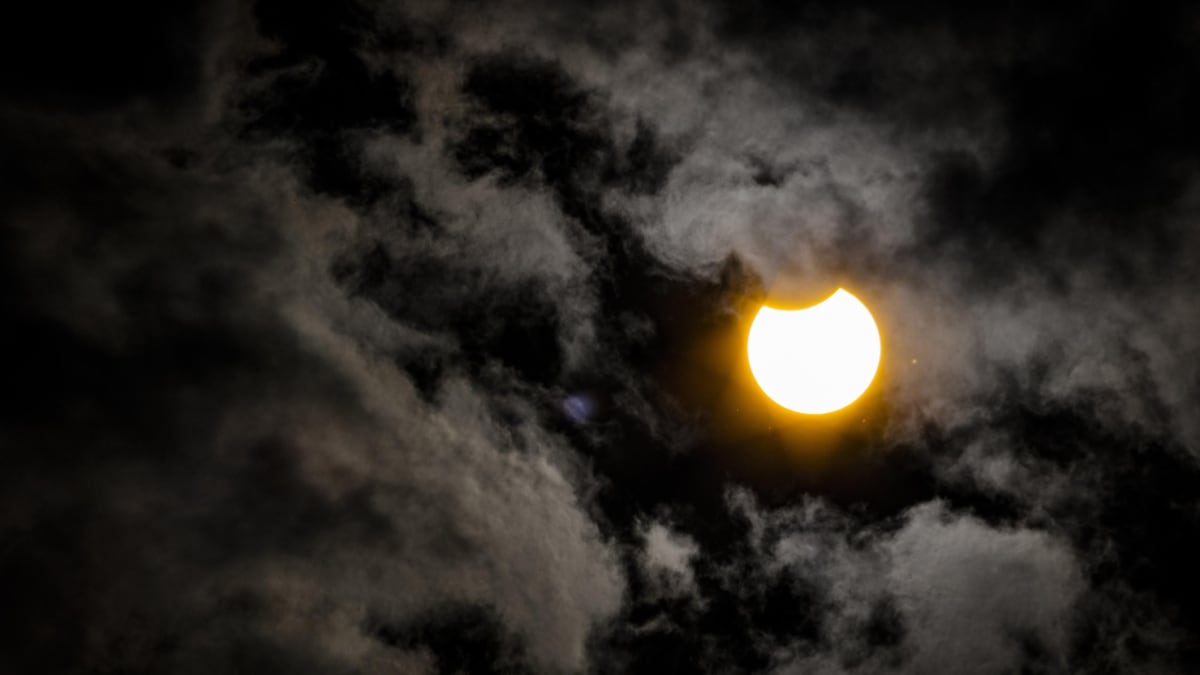
The eclipse happens around lunchtime across North America, appearing high in the southern sky. At maximum coverage, the sun will look like a thick crescent or smile. Don't expect darkness or dimmed daylight, though. Those dramatic effects only happen during total eclipses.
Twenty U.S. states will catch at least some of the action between 7:34 a.m. Alaska time and 2:52 p.m. Eastern. Every Canadian province gets a view too, with the show running from 8:38 a.m. Mountain time to 4:38 p.m. Newfoundland time.
Maine leads the lower 48 states with Presque Isle seeing 28% coverage at 1:50 p.m. Eastern. From there, the percentages drop as you head south and west, but the wonder remains the same.
The Bright Side
This eclipse arrives with bonus celestial treats. Venus reaches a milestone the same day, becoming 50% illuminated and starting its transformation into a beautiful evening crescent. Telescope users can catch both events in one remarkable day.
Even better, the peak of the annual Perseid meteor shower lights up the sky just hours later in the early morning of August 13. That's three astronomical events in 24 hours for anyone willing to stay up late.
Remember that looking directly at a partial eclipse without proper solar eclipse glasses can damage your eyes. Regular sunglasses won't cut it. You need glasses specifically designed for solar viewing.
And if you miss this one, don't worry. January 14, 2029 brings a large partial eclipse across all of North America, with up to 81% coverage in northern Canada and 74% in northwestern U.S. states.
The cosmos keeps giving us reasons to pause, look up, and remember we're part of something bigger.
More Images

Based on reporting by Space.com
This story was written by BrightWire based on verified news reports.
Spread the positivity!
Share this good news with someone who needs it