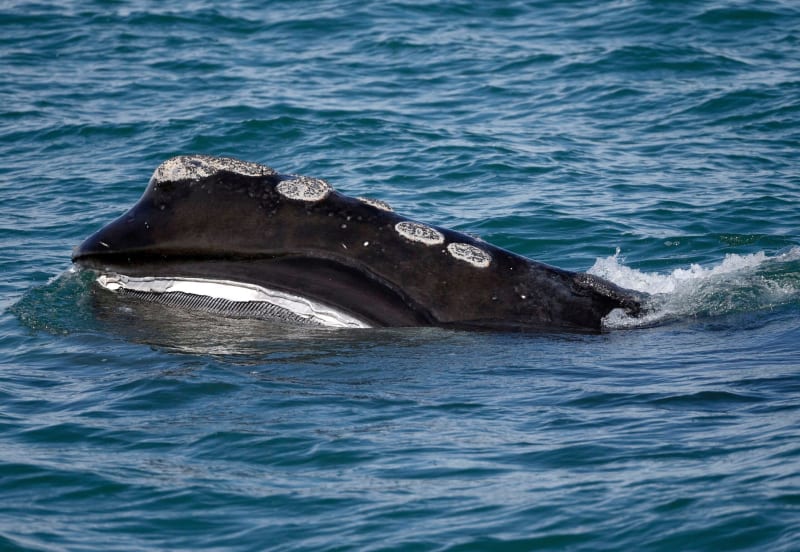
North Atlantic Right Whales Show Promising Baby Boom This Season
The critically endangered North Atlantic right whale population is celebrating 15 new calves this winter, marking an encouraging upward trend for a species fighting back from the brink. With their population now reaching 384 individuals—a 7% increase since 2020—these gentle giants are showing resilience despite ongoing challenges.
PORTLAND, Maine — There's heartwarming news from the waters off the southeastern United States this winter: one of the world's rarest whale species is experiencing a baby boom that's giving conservationists renewed hope.
The North Atlantic right whale, a majestic marine mammal that nearly disappeared during the commercial whaling era, has welcomed 15 calves this season, according to the National Oceanic and Atmospheric Administration. This represents a significant improvement over last winter's count of just 11 newborns and matches some of the better birth years in recent memory.
Even more encouraging is the overall population trend. After several challenging years of decline, the species has grown to an estimated 384 individuals—representing more than a 7% increase since 2020. While these numbers may seem modest, they represent genuine progress for a species that has been fighting its way back from near-extinction for decades.
"Every calf matters tremendously for this population," said Gib Brogan, senior campaign director with environmental group Oceana. The sight of mother whales and their babies in the waters off the coast is a testament to the species' remarkable resilience and the dedication of countless researchers and conservationists working to protect them.
These gentle giants follow an inspiring annual journey, giving birth in the warm waters of the southeastern United States each winter before migrating northward to their feeding grounds. Researchers have been documenting this migration and the new arrivals with growing optimism, though they acknowledge there's still more work ahead.
The whales' recovery story is particularly remarkable given their history. Hunted to the brink of extinction during the commercial whaling era, North Atlantic right whales have been under federal protection for decades. Their slow but steady comeback demonstrates that conservation efforts can work when given time and proper support.
Scientists note that while 15 calves is cause for celebration, the species would benefit from approximately 50 or more births per year to accelerate recovery. However, the current numbers show that the population is moving in the right direction, and there's still time for more calves to be born before winter ends.
The whales' improved reproductive success may reflect better overall health in the population. Scientists have observed that well-fed, healthy whales are more likely to reproduce successfully, suggesting that current conservation measures are having positive effects.
Looking ahead, conservationists remain committed to building on this momentum. The focus continues to be on creating safer ocean environments through improved shipping lane management and fishing gear innovations that can coexist with whale populations.
Every newborn right whale represents hope—not just for the species, but as a reminder that dedicated conservation efforts can help wildlife populations recover. As these 15 new calves grow and eventually have offspring of their own, they carry with them the promise of a brighter future for North Atlantic right whales.
The journey toward full recovery continues, but this winter's baby boom shows that with persistence, collaboration, and care, we can help ensure these magnificent creatures grace our oceans for generations to come.
More Images



Based on reporting by Mongabay
This story was written by BrightWire based on verified news reports.
Spread the positivity! 🌟
Share this good news with someone who needs it
More Good News
 🌍 Planet Wins
Australian Scientists Use Drones to Monitor Dolphins Without Stress—A Conservation Win
 🌍 Planet Wins
Community Rallies to Rescue 53 Pilot Whales at New Zealand's Farewell Spit
 🌍 Planet Wins
Chennai Makes History with Groundbreaking Sea Turtle Conservation Project
Joke of the Day
Why don't scientists trust atoms?
Explore Categories
Quote of the Day
"The only way to do great work is to love what you do."
— Steve Jobs