North Korea Plants 1.2M Hectares in Decade-Long Green Push
Satellite imagery reveals North Korea has restored approximately 1.2 million hectares of forest since 2015, achieving 73% of its ambitious reforestation goals despite energy shortages and limited resources. The country just launched a second 10-year campaign to plant even more trees through 2035.
A country better known for its isolation is quietly transforming its barren hillsides into forests, one seedling at a time.
North Korea announced its second 10-year reforestation campaign in April 2026, aiming to restore roughly 2 million hectares of degraded forestland by 2035. The move builds on surprising progress from the first campaign, which ran from 2015 to 2024 under leader Kim Jong Un.
Satellite analysis shows the country has added approximately 1.2 million hectares of new forest cover over the past decade. That represents 73% of the original campaign's targets, a significant achievement for a nation facing chronic energy shortages and international sanctions.
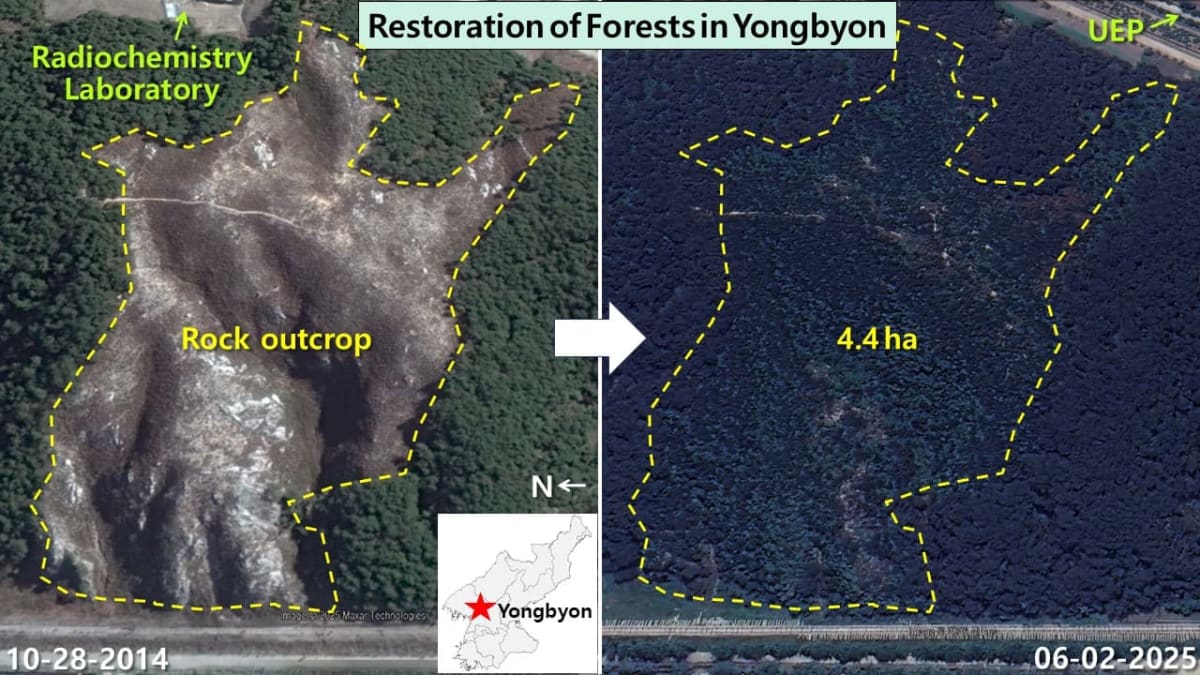
The transformation is visible from space. Areas around Pyongyang and parts of South Hwanghae and Pyongan provinces now show measurably greener landscapes compared to a decade ago. Even a barren rocky area at the Yongbyon Nuclear Research Center has sprouted 4.4 hectares of new trees, likely planted to prevent erosion and improve security.
The progress comes after decades of environmental decline. North Korean forests shrank steadily since the 1980s, with deforestation accelerating sharply after the devastating famine of the 1990s when desperate citizens stripped hillsides for firewood and farming.
Not all regions have recovered equally. Mountainous northern areas including Jagang and Ryanggang provinces continue to lose forest cover as energy deficits drive ongoing firewood collection and hillside cultivation.
The new campaign divides into two phases running from 2026 to 2030 and 2031 to 2035. Local forest management stations have received orders to meet afforestation targets while expanding nursery infrastructure and modernizing seedling production.
The Ripple Effect
The reforestation effort represents more than environmental restoration. Healthy forests prevent soil erosion, protect water supplies, and create habitats for wildlife while potentially reducing the need for risky hillside farming.
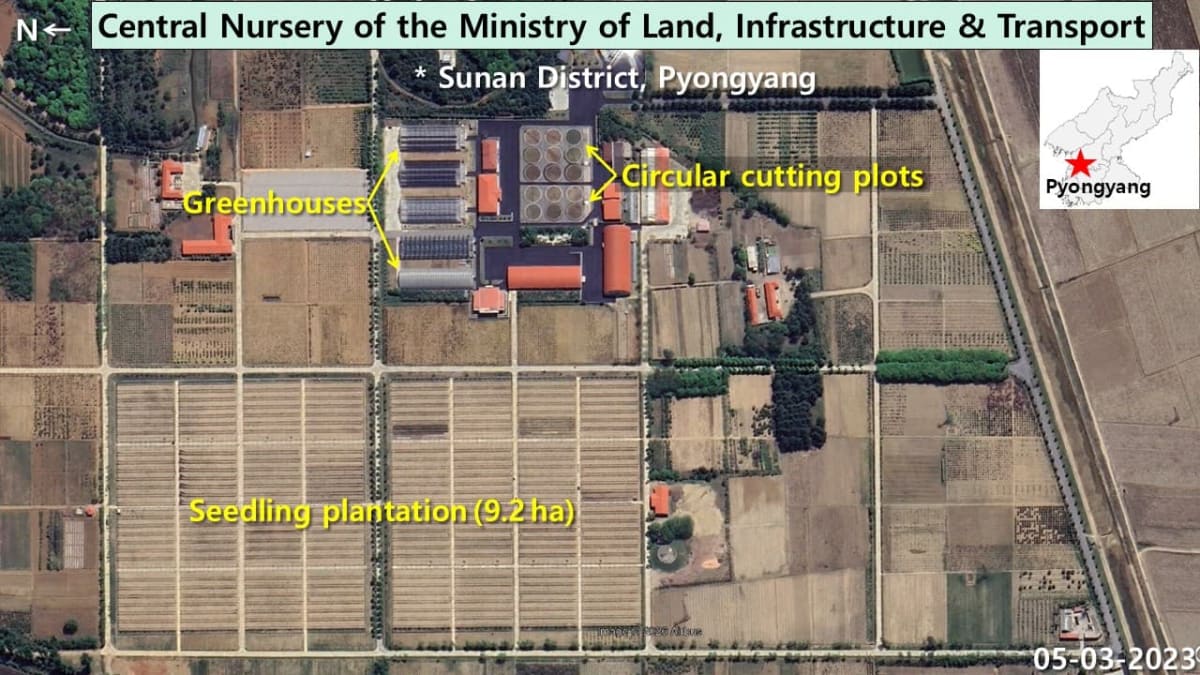
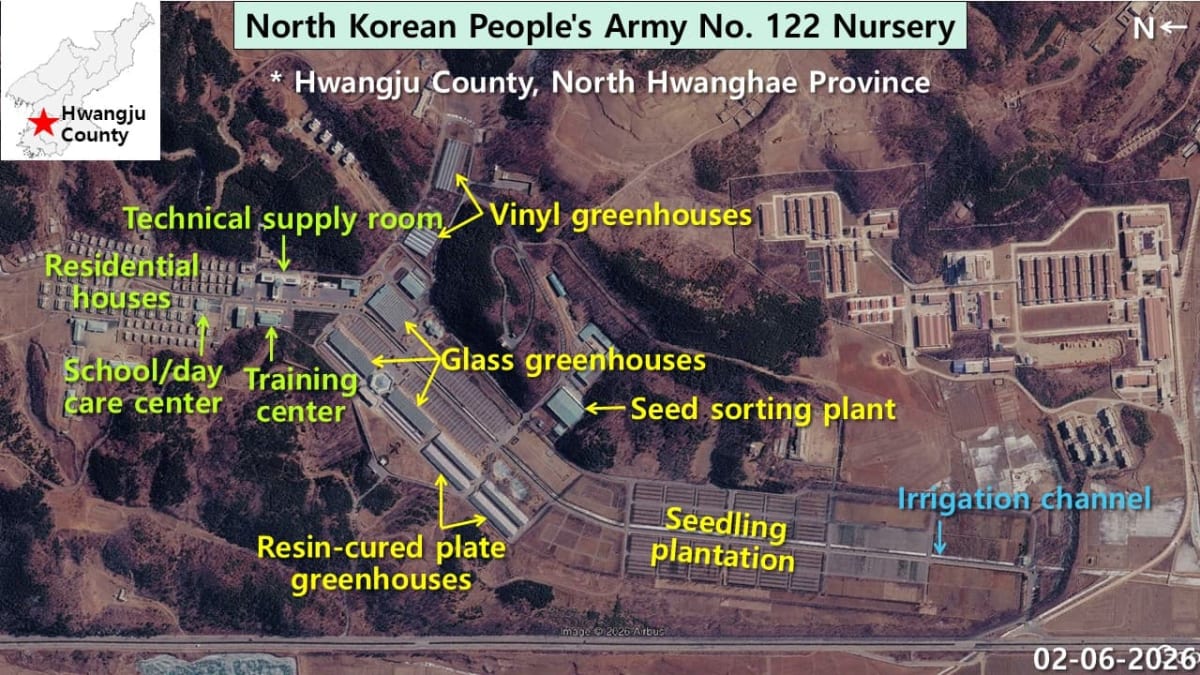
Brief cooperation with South Korea in 2018 focused on modernizing 10 major nurseries, including facilities that mass produce seedlings for nationwide planting. Though international sanctions and deteriorating relations shelved most planned exchanges, North Korea has continued expanding nurseries independently, with satellite imagery confirming construction of large scale facilities across the country.
Experts note that satellite monitoring now provides reliable data for potential international assistance. Priority areas for future cooperation include nursery technology, forest management training, pest control, and wildfire monitoring, all areas where North Korea faces documented challenges.
If relations improve and cooperation resumes, technical support could significantly accelerate the country's measurable forest recovery. For now, the saplings keep growing, slowly turning brown hillsides green again.
More Images


Based on reporting by Google News - Reforestation
This story was written by BrightWire based on verified news reports.
Spread the positivity!
Share this good news with someone who needs it