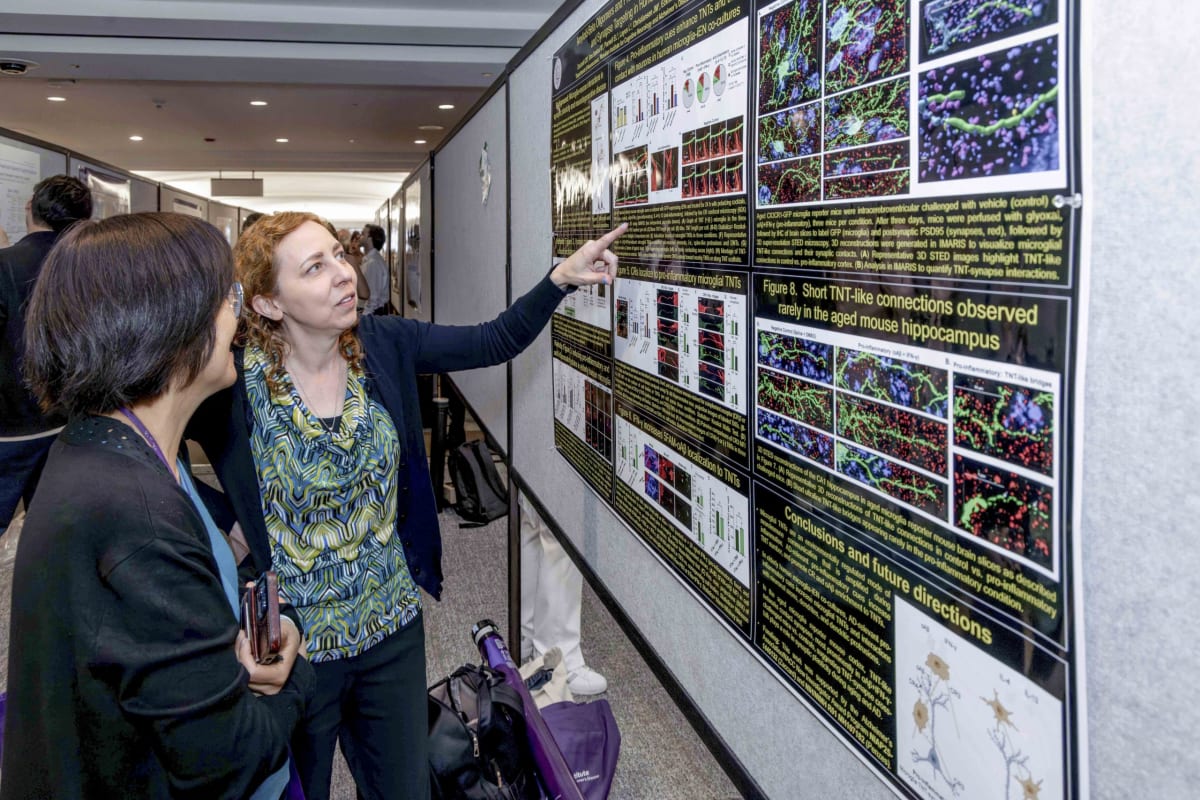
Northwestern's Alzheimer Day Brings Hope to 32nd Year
Hundreds gathered at Northwestern University for the 32nd annual Alzheimer Day, where researchers celebrated breakthroughs in diagnosis and treatment while connecting families with cutting-edge care. The event bridged the gap between laboratory discoveries and real-world support for patients living with dementia.
Scientists and families came together at Northwestern University in May to celebrate three decades of progress against Alzheimer's disease, sharing news of diagnostic breakthroughs and new treatment options that are finally starting to slow the disease.
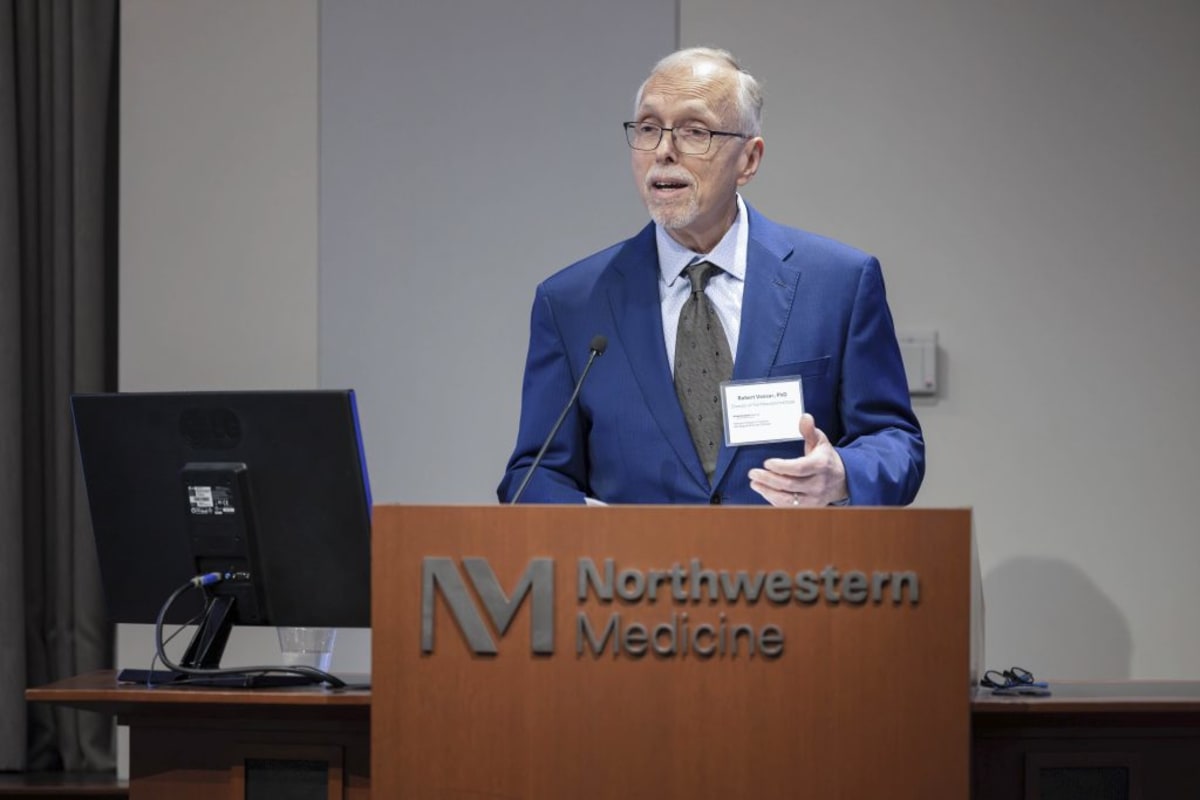
The 32nd annual Alzheimer Day brought researchers, clinicians, and community members to the Mesulam Institute for Cognitive Neurology and Alzheimer's Disease. Director Robert Vassar thanked the patients and families who make the research possible, calling their participation in studies an act of selflessness that powers every discovery.
This year's celebration recognized three researchers pushing the field forward. Malik Nassan won the Marie and Carl Duncan Prize in Memory Disorders for uncovering genetic patterns in middle-onset Alzheimer's. Christopher Mazurek earned recognition for identifying lifestyle factors that help some people maintain exceptional memory into old age, and Joshua Pasaye's work revealed why certain "SuperAgers" seem to resist cognitive decline.
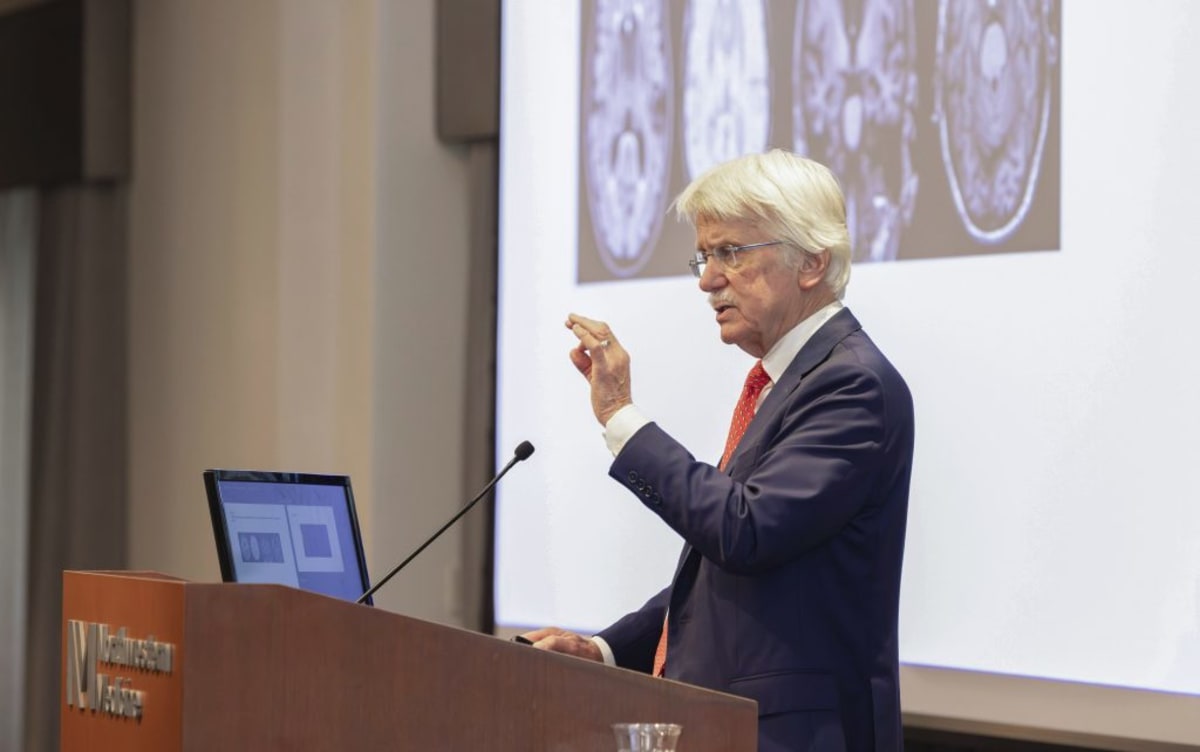
The keynote speaker, Ronald Petersen from the Mayo Clinic, shared an encouraging update. "We've made great strides in diagnosing and categorizing the types of dementia," he told the audience. While acknowledging more work remains, his message was clear: researchers are finally developing treatments that can slow these devastating diseases.
The day wasn't just about laboratory science. A special symposium focused entirely on helping families navigate daily life with dementia, featuring experts in speech therapy, neurology, occupational therapy, and social work.
Why This Inspires
Lauren Dowden, a clinical social worker at the institute, explained how the research translates into compassionate care. She meets families at their most vulnerable moments and helps them adapt to ongoing changes. Her approach focuses on preserving what matters most to each family, building on their unique strengths rather than dwelling on losses.
The symposium gave community members direct access to this multidisciplinary team, asking questions about practical strategies for caregiving and connecting clinical advances with community resources. Families left with concrete tools for improving quality of life, both for people living with dementia and those supporting them.
Sandra Weintraub, who led the symposium, emphasized understanding how dementia symptoms evolve over time. That knowledge helps both families and professionals respond more effectively at each stage.
After 32 years, Alzheimer Day proves that combining rigorous science with deep compassion creates the best path forward for everyone touched by dementia.
More Images
Based on reporting by Google: scientific discovery
This story was written by BrightWire based on verified news reports.
Spread the positivity!
Share this good news with someone who needs it