Norway and Turkey Ban Social Media for Kids Under 16
Two more countries are joining Australia's movement to protect childhood from social media algorithms. Norway and Turkey just passed laws keeping kids offline until their teen years, hoping to bring back real play and friendships.
Children in Norway and Turkey will soon experience something increasingly rare: a childhood without Instagram, TikTok, and endless scrolling.
Norway announced it will introduce legislation by year's end to ban social media for anyone under 16. Turkey's parliament just passed similar laws blocking access for kids under 15, becoming the latest countries to follow Australia's groundbreaking example from last December.
"We are introducing this legislation because we want a childhood where children get to be children," Norwegian Prime Minister Jonas Gahr Støre said. "Play, friendships, and everyday life must not be taken over by algorithms and screens."
The momentum is spreading across Europe. Denmark has announced plans for its own ban, while France's parliament is recommending blocking under-15s from social platforms. Spain is drafting laws requiring parents to authorize social media access for anyone under 16.
Turkey's approach goes even further than Norway's, including restrictions on gaming software companies alongside social media platforms. Both countries will hold tech companies responsible for verifying users' ages, putting the burden on corporations rather than families.
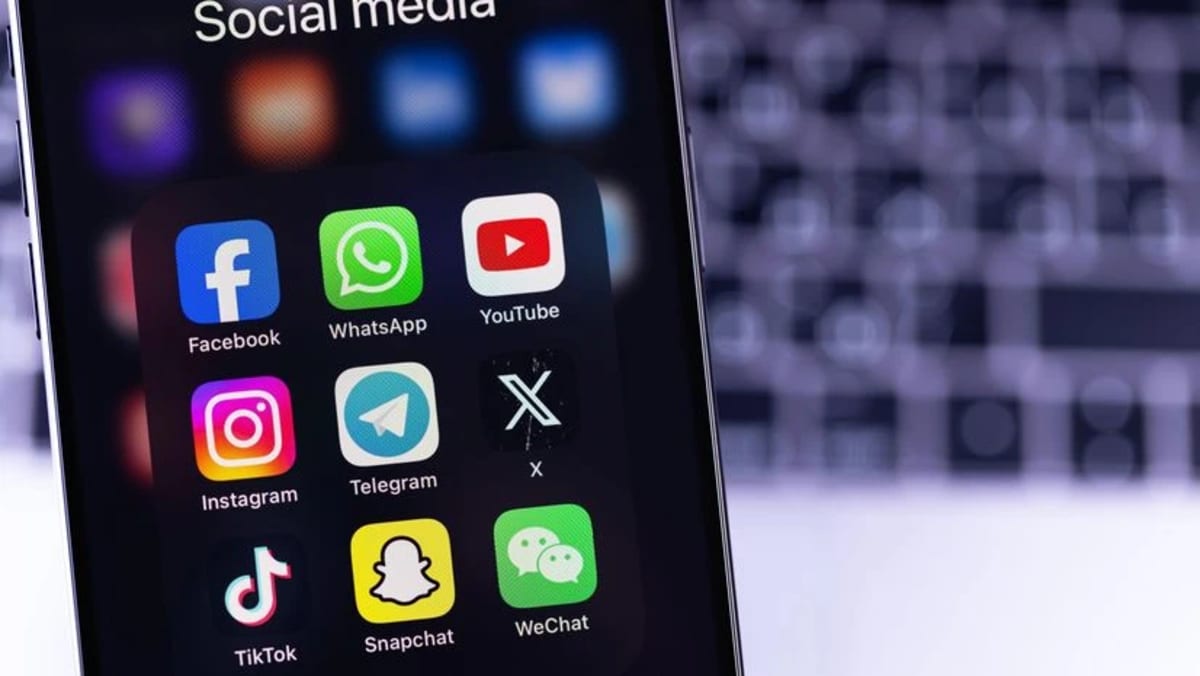
Neither country has specified exactly which apps will face restrictions yet. Australia's ban covers the major players: Instagram, Facebook, TikTok, Snapchat, YouTube, and X (formerly Twitter).
The Ripple Effect
What started as one country's bold experiment is becoming a global movement to reclaim childhood. Parents worldwide have watched their kids disappear into screens, struggling against billion-dollar algorithms designed to capture attention. Now governments are stepping in where individual families felt powerless.
These laws acknowledge a simple truth: children's developing brains weren't designed to handle the dopamine hits, comparison culture, and curated realities of social media. By setting nationwide age limits, countries are creating space for kids to develop real-world social skills, face-to-face friendships, and unfiltered experiences.
The shift represents something bigger than policy. It signals a cultural awakening about what childhood should look like in the digital age. When multiple countries across different continents reach the same conclusion independently, it suggests we're witnessing a genuine turning point in how societies protect their youngest members.
Norway's bill will reach parliament by the end of 2026, giving families and tech companies time to prepare for a childhood that looks more like play and less like performance.
More Images
Based on reporting by ABC Australia
This story was written by BrightWire based on verified news reports.
Spread the positivity!
Share this good news with someone who needs it