Norway Helps Philippines Unlock 178 GW Wind Potential
The Philippines could power its entire nation with clean offshore wind energy, thanks to a new partnership with Norway's renewable energy experts. Ten Norwegian companies are sharing decades of offshore wind expertise to help the island nation tap into one of Southeast Asia's largest wind resources.
The Philippines is sitting on an energy goldmine that could transform the country's future, and Norway is helping unlock it.
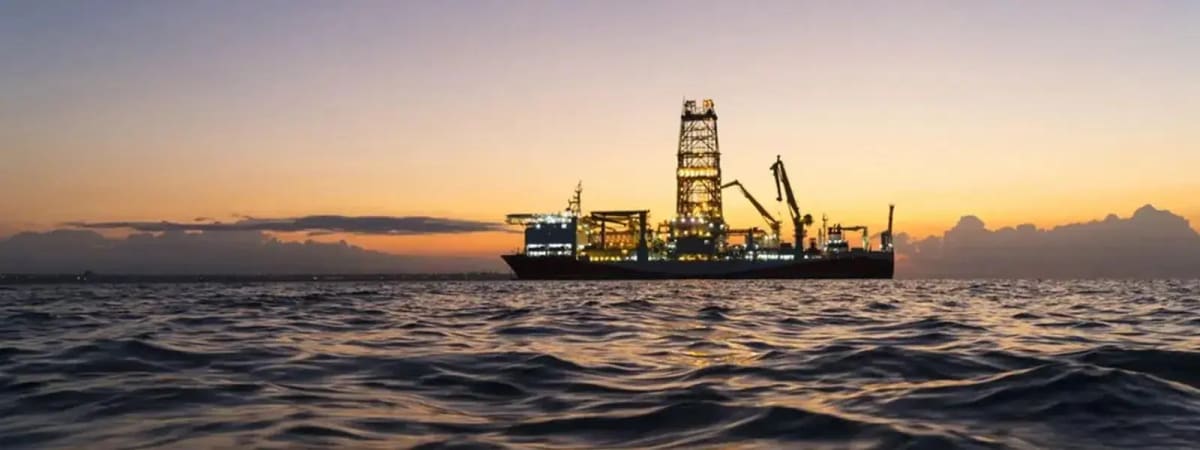
Ten Norwegian energy companies met with top Philippine officials in Manila this week to share how their offshore wind expertise can help build the archipelago's renewable energy industry from scratch. The talks at the Department of Energy brought together Energy Secretary Sharon Garin and representatives from Norwegian companies that pioneered the world's first floating wind farm.
The timing couldn't be more critical. The Philippines declared a State of National Energy Emergency earlier this year as fuel shortages and rising power demand threatened the grid. Right now, coal provides nearly 59 percent of the country's electricity, while wind and solar combined contribute just 3 to 4 percent.
But here's where the story gets exciting. According to the Department of Energy and World Bank, the Philippines has an estimated 178 gigawatts of offshore wind potential. That's roughly four times the country's entire current power generation capacity.
The gap between potential and reality is staggering. The Philippines currently operates only 440 megawatts of wind power, almost entirely onshore. If fully developed, offshore wind alone could power the entire nation and eliminate dependence on imported fossil fuels.
More than 200 government officials, industry leaders, and financial experts gathered at the Asian Development Bank headquarters for a seminar on accelerating offshore wind development. Organized by the Royal Norwegian Embassy and partners, the event tackled everything from port infrastructure to workforce training.
The Ripple Effect
Norway brings serious credentials to the table. The country pioneered the world's first full-scale floating wind turbine in 2009 and launched the first floating wind farm in 2017. Today, 98 percent of Norway's electricity comes from renewable sources, primarily hydropower and wind.
Norwegian companies like DNV, Fred. Olsen Windcarrier, and the Norwegian Geotechnical Institute shared expertise in floating wind technology, offshore installation, and operations in challenging marine environments. These skills match perfectly with the Philippines' deep coastal waters and typhoon-prone conditions.
The partnership also connected Norwegian experts with Philippine developers including Copenhagen Offshore Partners, ACEN, and others ready to move projects from planning to construction. The focus shifted from whether offshore wind is possible to how quickly it can happen.
For millions of Filipinos, this collaboration could mean affordable, reliable electricity generated at home instead of expensive imported coal and gas. For island communities, it could bring power where grid connections never reached. For the climate, it represents one of Southeast Asia's biggest opportunities to slash carbon emissions.
Energy security is no longer just about having enough power but having the right kind of power, and the Philippines is positioning offshore wind as both a climate solution and a strategic asset that could reshape the nation's energy future for generations.
Based on reporting by Google News - Norway Green Energy
This story was written by BrightWire based on verified news reports.
Spread the positivity!
Share this good news with someone who needs it