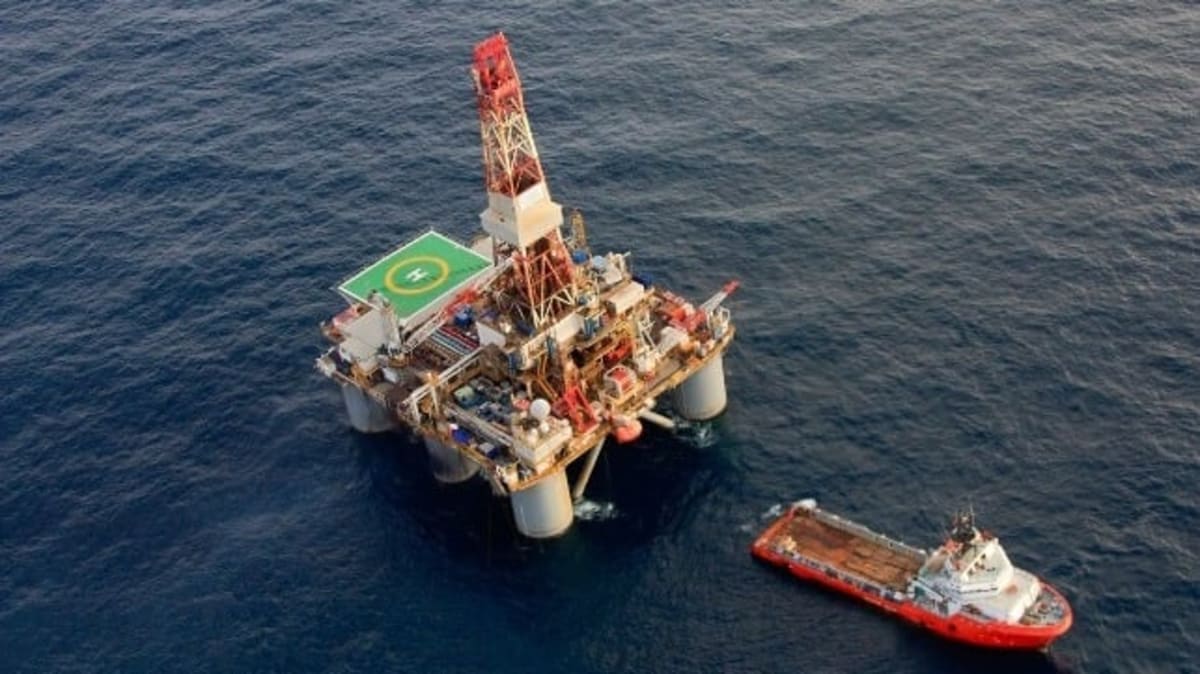
Norway Mandates 40% Emission Cuts for Offshore Ships by 2040
Norway just set groundbreaking emissions rules for offshore vessels, requiring a 40% reduction by 2040 and sparking a green shipping revolution. The move could cut 1.6 million tons of CO2 while positioning Norway as a global leader in maritime sustainability.
Norway is charting a bold new course for ocean sustainability with regulations that will slash greenhouse gas emissions from offshore vessels by 40% over the next 15 years.
Starting in 2029, operators of offshore vessels working on Norway's continental shelf must reduce their emissions by 10%. That requirement jumps to 40% by 2040. The ambitious plan is expected to eliminate approximately 1.6 million tons of CO2 from the atmosphere.
The regulations target a significant source of Norway's carbon footprint. Offshore vessels account for more than 16% of the country's emissions under its climate agreement with the European Union. Overall, the shipping sector contributes 8% of Norway's total emissions.
Climate and Environment Minister Andreas Bjelland Eriksen says the new rules will deliver significant emission cuts while driving innovation in marine technology. Norway already leads the world in green shipping initiatives, and these requirements cement that position.
The regulations are designed to accelerate demand for alternative fuels like hydrogen and ammonia. Some Norwegian companies are already making the switch without waiting for the mandate.
The Ripple Effect
Norwegian company Eidesvik is converting its offshore vessel Viking Energy to run on ammonia fuel. When the retrofit completes this autumn, Viking Energy will become the world's first ammonia-powered offshore vessel. That pioneering spirit shows how environmental requirements can spark technological breakthroughs that benefit the entire industry.
The rules exempt vessels operating in Norwegian waters for fewer than 30 days, keeping the focus on major contributors. The regulations also encourage zero-emission solutions by excluding biofuels from compliance options.
While some industry leaders have raised concerns about costs and the exclusion of currently available biofuels, the move demonstrates Norway's commitment to its climate targets with the EU. The country is part of the EU's Effort Sharing Regulation, with emission reduction commitments extending through 2050.
The offshore vessel requirements represent real climate action backed by enforceable standards and clear timelines. As global shipping accounts for nearly 3% of worldwide greenhouse gas emissions, Norway's leadership could inspire similar regulations across Europe and beyond.
This isn't just good policy for Norway. It's a blueprint for how maritime nations can balance economic activity with environmental responsibility while driving the innovation needed for a sustainable future.
More Images
Based on reporting by Google News - Emissions Reduction
This story was written by BrightWire based on verified news reports.
Spread the positivity!
Share this good news with someone who needs it