Norway Offers Indonesia $20-40 Per Ton for Solar Credits
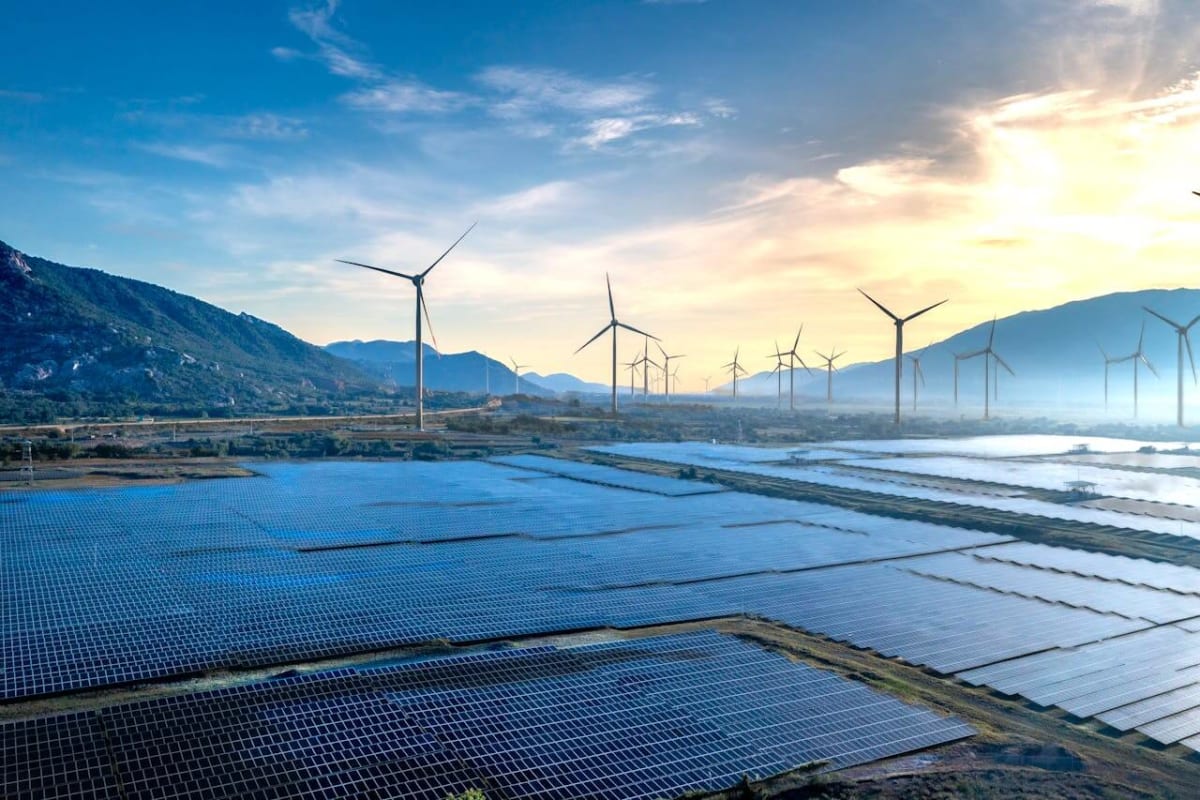
Norway has offered to buy carbon credits from Indonesia's floating solar projects at up to 10 times the country's current pricing assumptions. The deal could unlock billions in value for Indonesia's ambitious 100-gigawatt solar energy expansion.
Indonesia's clean energy revolution just got a major vote of confidence from halfway around the world.
Norway has offered to purchase carbon credits from Indonesia's floating solar power projects at $20 to $40 per ton of CO₂, according to Indonesia's Energy Ministry. That's up to 10 times higher than the $4 per ton the Indonesian government has been using in its calculations.
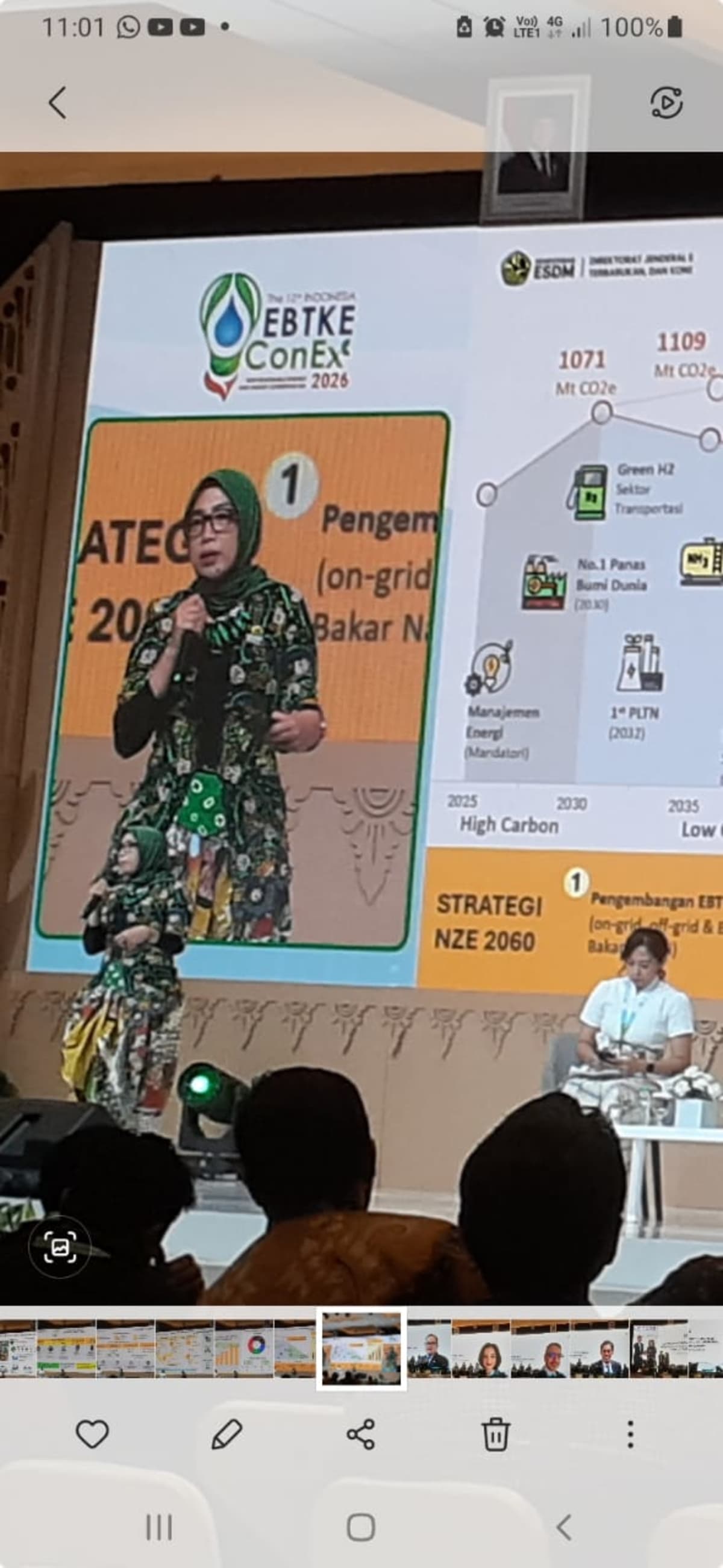
Eniya Listiani Dewi, Director General of New and Renewable Energy at Indonesia's Energy Ministry, revealed the offer at the Indonesia EBTKE ConEx 2026 conference in Jakarta this week. The proposal is now under discussion with Indonesia's Environment Ministry.
The timing couldn't be better. Indonesia is racing toward an ambitious target of 100 gigawatt peak solar capacity, a massive leap from the previous 17-gigawatt plan. That expansion is expected to create 5.5 million jobs and reduce emissions by roughly 140 million tons of CO₂.
But Dewi isn't rushing to sign the deal. She's concerned that selling credits now at $20 to $40 per ton might lock Indonesia into prices well below their future market value. In European carbon markets, prices can reach $100 per ton.
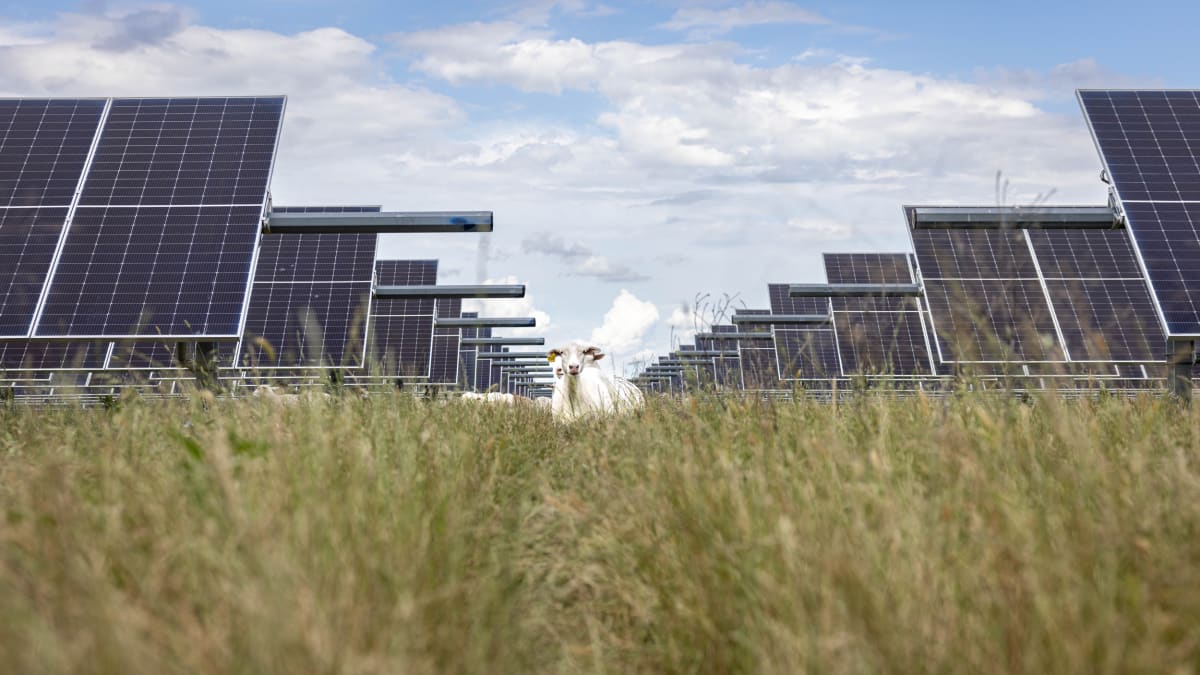
Indonesia already has proven success with floating solar. The 192-megawatt Cirata Floating Solar Power Plant has become a reference project for large-scale development. Now the country is working on frameworks for ground-mounted solar, rooftop installations, and more floating projects.
The Ripple Effect
This deal represents more than just money changing hands. It signals growing international recognition that developing nations deserve fair compensation for climate action. Indonesia's renewable energy projects aren't just good for the planet. They're becoming valuable economic assets that could fund more clean energy development.
The country is already adjusting its entire electricity plan around the solar expansion. Some natural gas previously earmarked for power generation will shift to industrial use instead. Nuclear power is entering the mix with 500 megawatts of capacity, while geothermal and hydropower maintain their roles.
Wind power is getting renewed attention too. Dewi pointed out that no new wind projects have launched since the Sidrap and Jeneponto wind farms more than five years ago, despite wind energy being included in national planning.
The Norwegian offer could set a new pricing benchmark for renewable energy carbon credits across Southeast Asia. As Indonesia negotiates for better terms, other countries with similar clean energy ambitions are watching closely.
This moment represents a turning point where fighting climate change and building economic prosperity are finally starting to align.
More Images




Based on reporting by Google News - Norway Green Energy
This story was written by BrightWire based on verified news reports.
Spread the positivity!
Share this good news with someone who needs it