Norway Proposes Fix to Global Plastic Recycling Rules
Norway is working to improve international plastic trade rules that accidentally made recycling harder instead of easier. The fix could help more plastic get recycled globally instead of ending up in landfills.
A well-meaning global rule to stop plastic pollution may have backracked, but Norway is stepping up to make it right.
In 2021, plastic became regulated under the Basel Convention, an international treaty originally designed to control nuclear waste. The goal was noble: stop wealthy countries from dumping contaminated plastic on poorer nations. But the new rules carried over language about "waste" and "disposal" that doesn't fit how plastic recycling actually works.
Unlike nuclear waste, plastic can be recycled multiple times and still hold value. Calling it "waste" created confusion among governments, customs officials, and recycling companies worldwide. The strict approval process required for shipping recyclable plastic across borders became so slow and complicated that it sometimes became easier to just throw the material away.
The problem hits smaller countries especially hard. Many nations don't have enough plastic waste to make recycling plants profitable, or they lack the facilities to process what they collect. Cross-border trade lets them participate in the global recycling economy, but heavy paperwork requirements can make shipments sit for weeks or months waiting for government approvals.
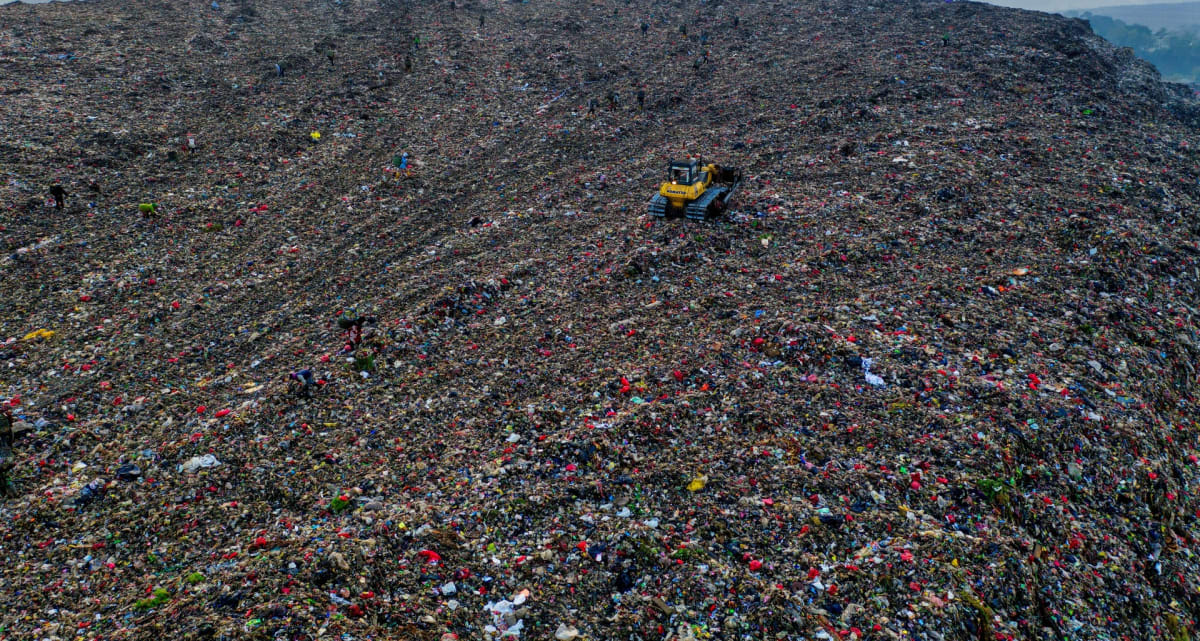
When recyclable plastic gets stuck, bad things happen. Storage facilities overflow, material degrades and loses value, and some countries resort to burning or burying plastic that could have been recycled. In some cases, excessive regulations even push trade underground, creating the exact illegal dumping problem the rules were meant to prevent.
The Bright Side
Norway recognized these unintended consequences and recently submitted a proposal to fix the system. The country wants to clarify which plastics need strict oversight and which clean, sorted materials can move more freely between recycling partners.
Modern tracking technology makes it possible to monitor plastic shipments transparently without drowning them in paperwork. Digital systems already working in Europe show that efficient oversight and environmental protection can coexist. If Norway's proposal balances safety with practicality, more plastic could flow to legitimate recyclers instead of landfills.
The challenge now is finding the sweet spot between preventing contaminated exports and enabling the global recycling market to function. Too loose, and pollution increases. Too tight, and viable recycling becomes impossible for much of the world.
Getting this right matters because domestic-only recycling isn't realistic for most countries, especially developing nations without the resources to build complete processing systems. A well-designed international system could turn today's plastic pollution into tomorrow's circular economy success story.
More Images


Based on reporting by Google News - Plastic Reduction
This story was written by BrightWire based on verified news reports.
Spread the positivity!
Share this good news with someone who needs it