Norway Turns Arctic Farmland Into Carbon Sink With Water
Scientists in northern Norway discovered a simple way to stop Arctic farms from leaking carbon into the atmosphere: raise the water level. The two-year study found that wetter peatland farms absorbed more CO₂ than they released.
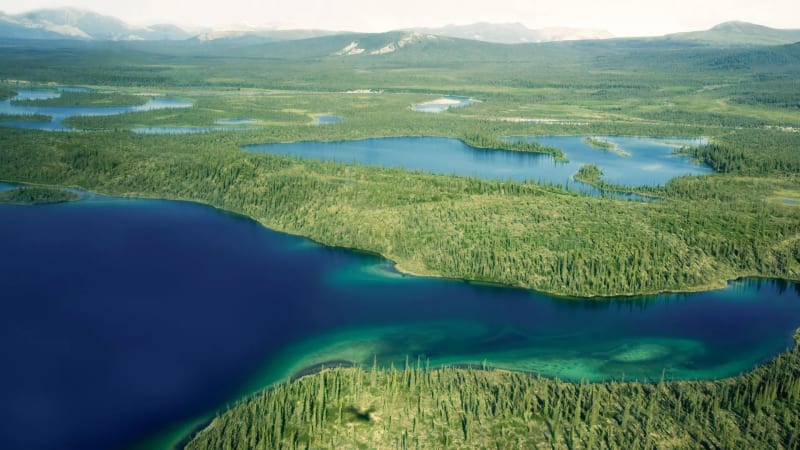
For thousands of years, Arctic peatlands quietly stored massive amounts of carbon beneath their waterlogged soil. When farmers drained these lands for agriculture, they unknowingly turned ancient carbon vaults into greenhouse gas emitters.
Now researchers in northern Norway have found a remarkably simple fix. By raising groundwater levels in drained peatland farms, they transformed fields from carbon sources into carbon sinks.
The Norwegian Institute of Bioeconomy Research ran a two-year experiment at the Svanhovd research station in the Pasvik Valley. Automated chambers tracked carbon dioxide, methane, and nitrous oxide emissions multiple times daily throughout the growing seasons of 2022 and 2023.
The results surprised even the scientists. When groundwater levels rose to between 25 and 50 centimeters below the surface, CO₂ emissions dropped sharply. The fields actually absorbed slightly more carbon dioxide than they released.
"At these higher water levels, methane and nitrous oxide emissions were also low, giving a much better overall gas balance," explains researcher Junbin Zhao. The continuous monitoring captured details that occasional measurements would miss, including short emission spikes and natural daily fluctuations.
The Arctic climate itself makes this solution especially powerful. During northern Norway's long summer nights with extended daylight, the wetter fields crossed an important threshold earlier each day. They started absorbing more CO₂ than they released and stayed in that positive zone for many extra hours.
Cool temperatures played a supporting role. The researchers found that microbial activity intensified above 12°C, speeding up the breakdown of organic material. Cooler Arctic conditions naturally slow this process, making raised water levels even more effective than in warmer regions.
The science behind it comes down to oxygen. Natural peatlands stay saturated with water, creating low-oxygen conditions where dead plants decompose slowly and build up over centuries. Drainage lets oxygen in, waking up microbes that rapidly break down stored carbon and release it as CO₂.
The Bright Side
This discovery arrives at a crucial moment for climate action. Large areas of peatland across Europe and the Nordic region have been drained since the 1600s, releasing stored carbon for centuries. Northern agricultural peatlands remained understudied until now, despite their unique conditions of cold temperatures, short growing seasons, and extended summer daylight.
The solution requires no complex technology or expensive infrastructure. Farmers can adjust drainage systems they already have, turning their fields into climate allies while continuing to grow crops. The approach works within existing agricultural practices rather than replacing them.
What makes this research particularly hopeful is its scalability. If raising water levels works across Arctic farmlands, these northern regions could shift from contributing to climate change to actively fighting it.
The Arctic holds enormous carbon reserves in its peatlands, and this simple water adjustment could help keep them locked away where they belong.
Based on reporting by Science Daily
This story was written by BrightWire based on verified news reports.
Spread the positivity!
Share this good news with someone who needs it