Norway Wins 33 Medals at Olympics With 5.6M People
A nation smaller than most cities is dominating the Winter Olympics, and the secret isn't just talent. Norway's approach to winter sports shows how building something from the grassroots up creates champions for generations.
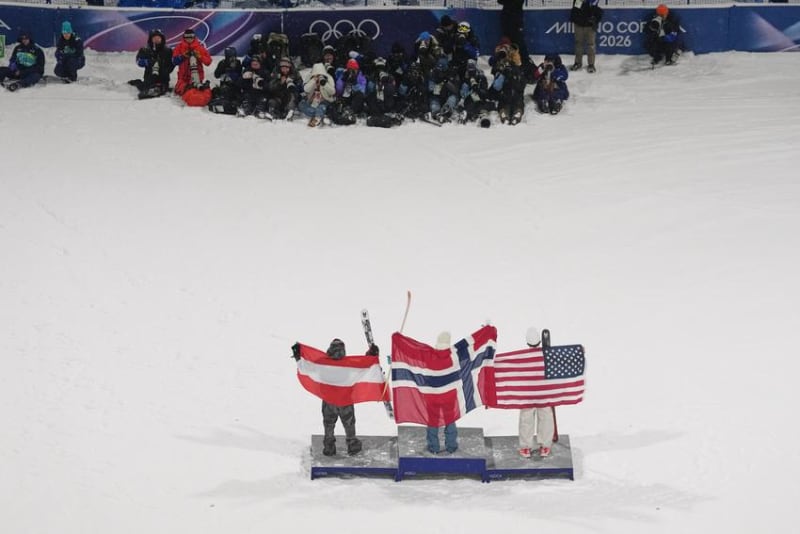
Norway just claimed its 33rd medal at the Milan Cortina Olympics, and the world is asking the same question it asks every four years: how does a country of 5.6 million people beat nations 60 times its size?
The answer starts in childhood, on family trips to mountain cabins where skiing isn't a sport but simply how you get around. "It's a natural way of moving from one cabin to another," says Finn Dahl, who worked on Norway's 1994 Lillehammer Olympics. "It's a spirit, it is inside you."
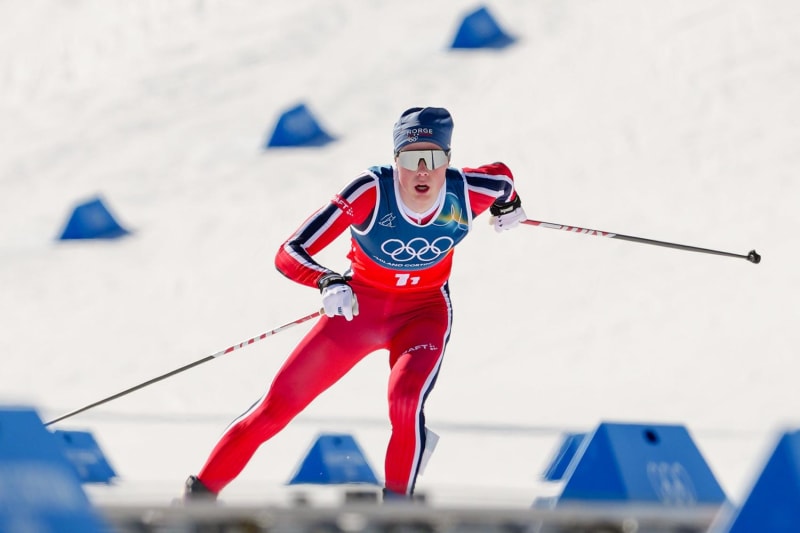
That spirit has produced Johannes Hoesflot Klaebo, who just won his 10th career Olympic gold medal in cross-country skiing. At 29, he's now the most decorated Winter Olympian in history in his sport. On Wednesday, he held off a late American charge to win the men's team sprint alongside 24-year-old rookie Einar Hedegart, who's already won two golds in his first Games.
Klaebo credits experience and staying calm under pressure. "We just needed to enjoy it and stay in the mix, and when it came down to the final sprint, that's when it mattered," he said after the race.
But individual talent tells only part of the story. Cross-country skiing is one of Norway's most popular sports, with hundreds of clubs welcoming children who start young. That massive participation creates a talent pipeline that never runs dry.
"When you have so many children, so many trainers and so many clubs all around Norway, it's much easier to find special talent," says Katerina Neumannova, a retired Czech Olympic champion. She points to Norway's depth as its real advantage: when one generation of athletes retires, the next is already ready.
The Ripple Effect
Norway's 33 medals span nearly every winter discipline. Ten come from cross-country skiing, nine from biathlon. Ski jumper Anna Odine Stroem swept both individual events and added a silver in the team competition. The country also collected medals in freestyle, Alpine skiing, and speedskating.
That breadth reveals a system that doesn't just create champions in one sport. It builds a culture where winter sports are woven into everyday life, where kids grow up seeing success as normal and achievable.
Young Hedegart embodies that pipeline perfectly. "To win two gold medals in my first championship is huge," he said after standing on the podium with his childhood hero. The veteran and the rookie, separated by just five years, represent a system with no gaps between generations.
Other countries cycle through champions with quiet years in between, but Norway keeps producing talent because participation never drops. The foundation stays strong because it's built on millions of ordinary families taking ski trips together, not just elite training programs hunting for the next superstar.
When winter is part of your identity and skiing is how you explore your own backyard, Olympic dominance becomes less mysterious and more inevitable.
More Images

Based on reporting by Japan Today
This story was written by BrightWire based on verified news reports.
Spread the positivity!
Share this good news with someone who needs it