Norway's 17-Mile Undersea Tunnel Cuts Travel Time by 5 Hours
Deep beneath the North Sea, Norwegian engineers are blasting through rock 1,000 feet down to create the world's longest undersea road tunnel. The Rogfast tunnel will transform a grueling 5-hour journey into less than an hour when it opens in 2033.
Imagine cutting a 5-hour road trip down to under an hour without ever seeing daylight. That's exactly what Norway is building 1,000 feet below the North Sea.
The Rogfast tunnel will stretch nearly 17 miles when complete, making it the longest undersea road tunnel on Earth. Right now, traveling between Stavanger and Bergen requires two ferry rides and navigating winding fjord roads for five exhausting hours. The new tunnel will let drivers zip between these coastal cities in a fraction of the time.
Norway already holds the current record with their 9-mile Ryfylke tunnel, so they know what they're doing. Two construction crews are tunneling toward each other from opposite ends and will meet in 2029, with the full project opening to traffic four years later.
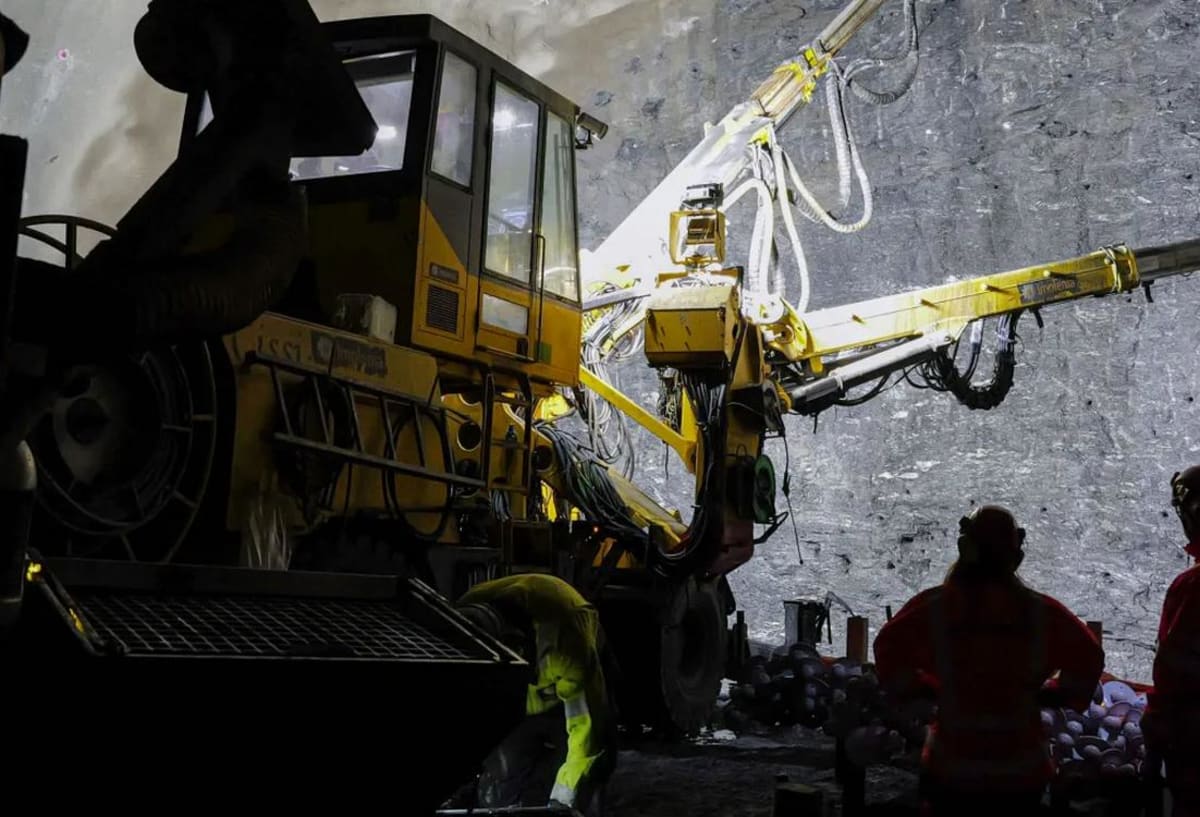
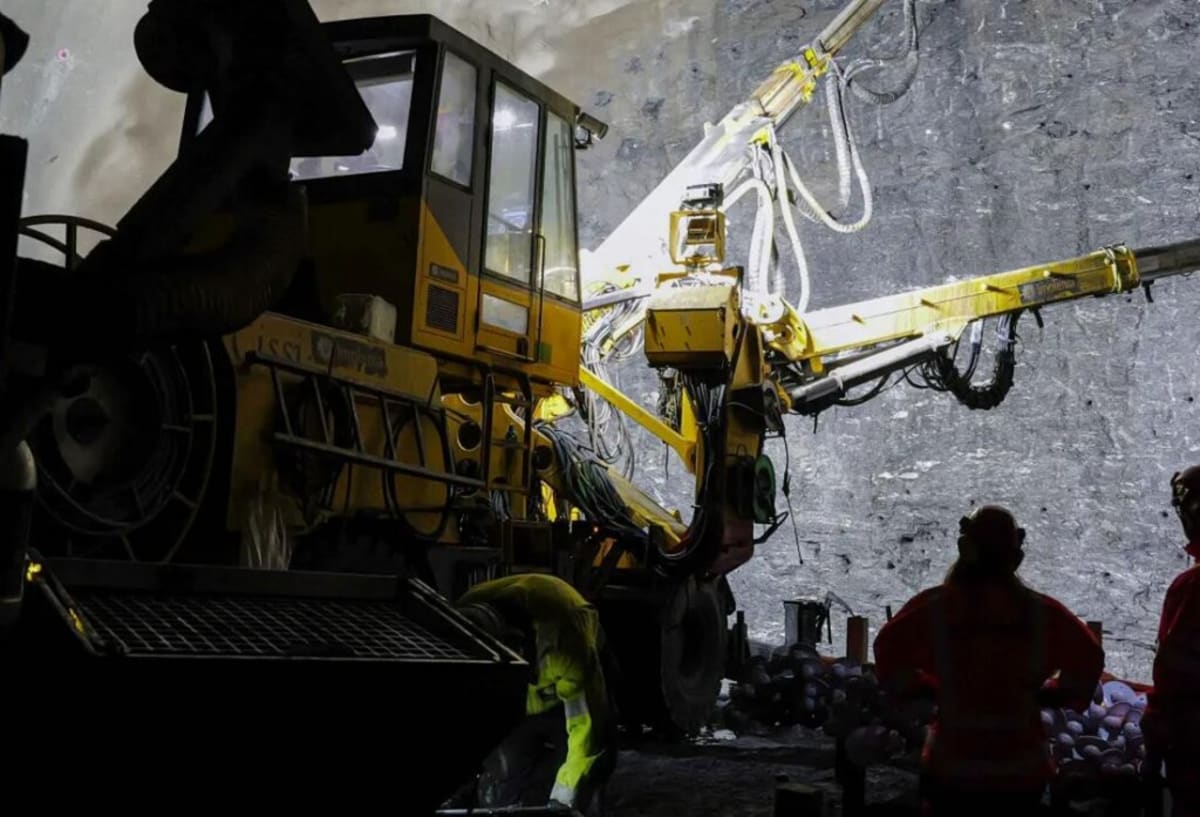
The work happens in shifts that sound almost unreal. Engineers blast through rock for 12-hour days, working 12 days straight before taking 16-day breaks to remember what sunshine feels like. Each explosion carves out just 5 to 6 yards of progress, and the rock constantly surprises them by changing from granite-hard to loose as soil.
Water pressure this deep could crush almost anything, so crews inject a concrete-like sludge called grout to seal leaks before they blast. The tunnel needs to last 100 years, so some sections get reinforced concrete ceilings while harder rock only needs steel beams for support.
The Ripple Effect
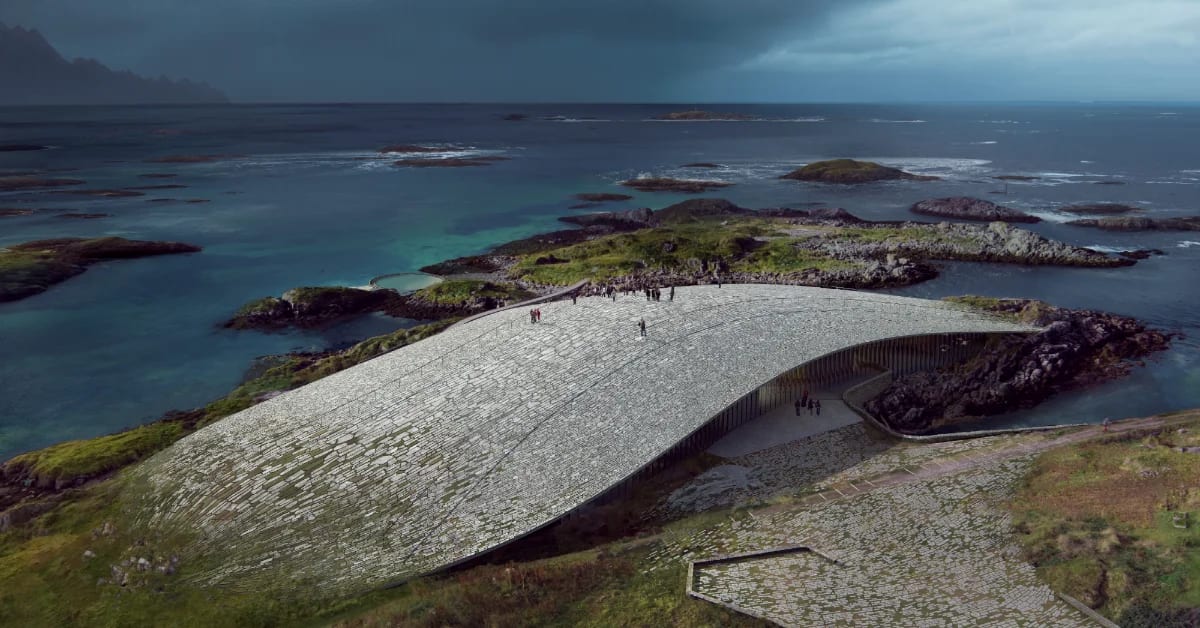
The tunnel isn't just functional. Norway designed it with a massive underground hall lit in vibrant colors that make the rock veins shimmer like art. Local artists will eventually install pieces there, but the colorful lights serve a practical purpose too: keeping drivers awake during the long, dark journey.
There's even a four-lane roundabout deep under the ocean. The project also includes two massive ventilation shafts, each 27 feet wide, to keep fresh air flowing.
All that blasted rock has to go somewhere, and Norway found the perfect solution. The 85 million cubic meters of stone and debris will create a brand new artificial island, turning waste into usable land for the community.
The billion-euro project will reshape Norway's west coast forever, connecting stunning fjord landscapes with engineering that would make their famous composer Edvard Grieg proud.
More Images



Based on reporting by Good News Network
This story was written by BrightWire based on verified news reports.
Spread the positivity!
Share this good news with someone who needs it