Norway's Photoncycle Turns Summer Sun Into Winter Heat
A Norwegian company just secured €15 million to bring year-round solar power to homes by storing summer sunshine as solid hydrogen. Instead of batteries that last hours, this system holds enough energy to heat your house through winter.
Imagine capturing July's endless sunshine and using it to keep your home warm in February.
Norwegian startup Photoncycle just raised €15 million to make that dream real for homeowners in Denmark and the Netherlands. The company's breakthrough system doesn't just store solar energy overnight like typical batteries. It stores it across entire seasons.
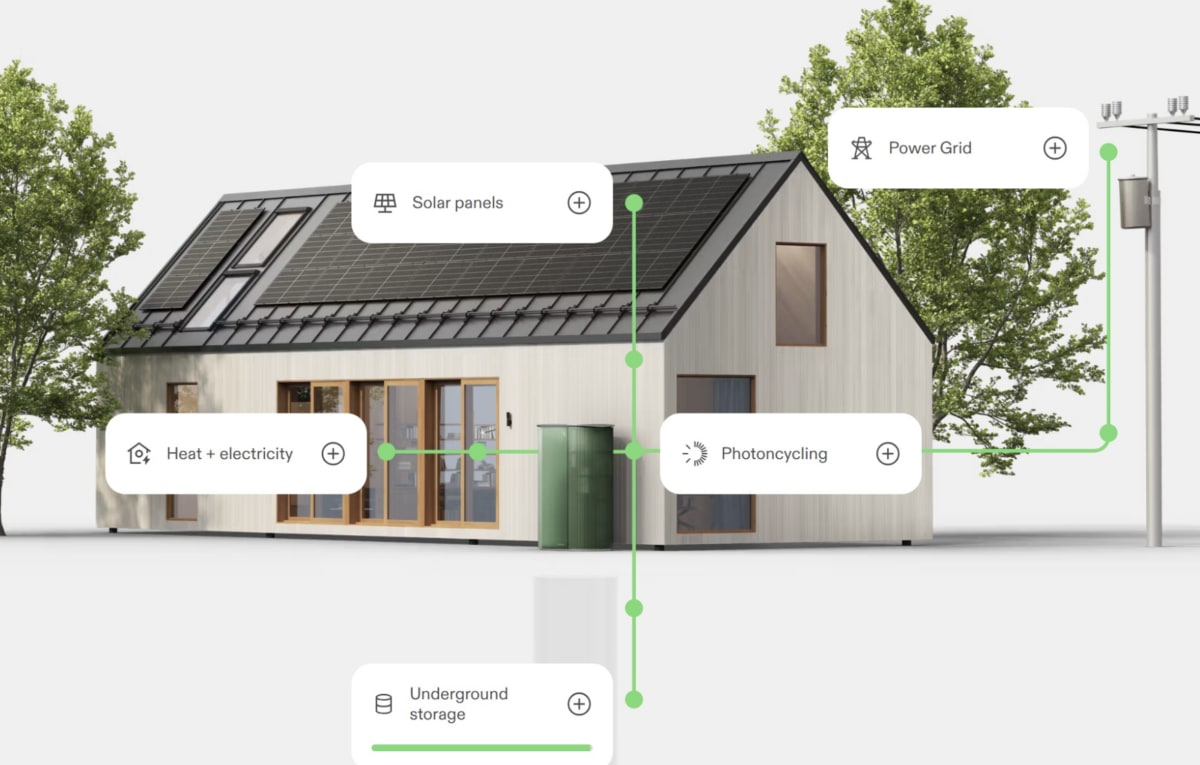
Here's how it works. During summer months when solar panels generate more electricity than homes can use, Photoncycle's system converts that excess power into hydrogen by splitting water molecules. The hydrogen then gets processed into a solid state and tucked away in an underground storage unit beneath your home.
That underground tank can hold up to 10 megawatt hours of energy. For context, the average home uses about 30 kilowatt hours per day, meaning one full tank could power a typical household for nearly a year.
The technology uses reversible fuel cells that work both ways. They create hydrogen when you have extra solar power in summer, then convert that hydrogen back into electricity and heat when winter arrives and your panels aren't producing as much.
The Series A funding round will help Photoncycle move from testing to actual commercial launches. Homeowners in Denmark and the Netherlands will be the first to try the system, with installations planned to begin soon.
The Ripple Effect
This isn't just about individual homes staying cozy. If seasonal energy storage catches on, it could transform how entire communities use renewable energy.
Right now, solar power faces a fundamental mismatch. We generate the most electricity when we need it least, and vice versa. Batteries help bridge the gap between day and night, but seasonal storage bridges the gap between summer and winter.
That means less reliance on natural gas for winter heating. It means solar panels become truly year-round investments instead of summer-only solutions. And it means northern countries with long, dark winters can finally make solar power work as well as it does in sunny climates.
As more homes adopt seasonal storage, the entire electrical grid benefits. Less winter demand means fewer power plants running at peak capacity during cold snaps. Neighborhoods with multiple storage systems could eventually share energy, creating resilient local microgrids.
For families, the promise is simple: capture free sunshine once, use it all year long.
More Images
Based on reporting by PV Magazine
This story was written by BrightWire based on verified news reports.
Spread the positivity!
Share this good news with someone who needs it