Norway's Youth Sports Model Creates Lifelong Athletes
A sports medicine surgeon who works with pro athletes says America's win-at-all-costs approach to youth sports is creating injuries and burnout. Norway's gentler model keeps kids playing into adulthood while still producing world-class athletes.
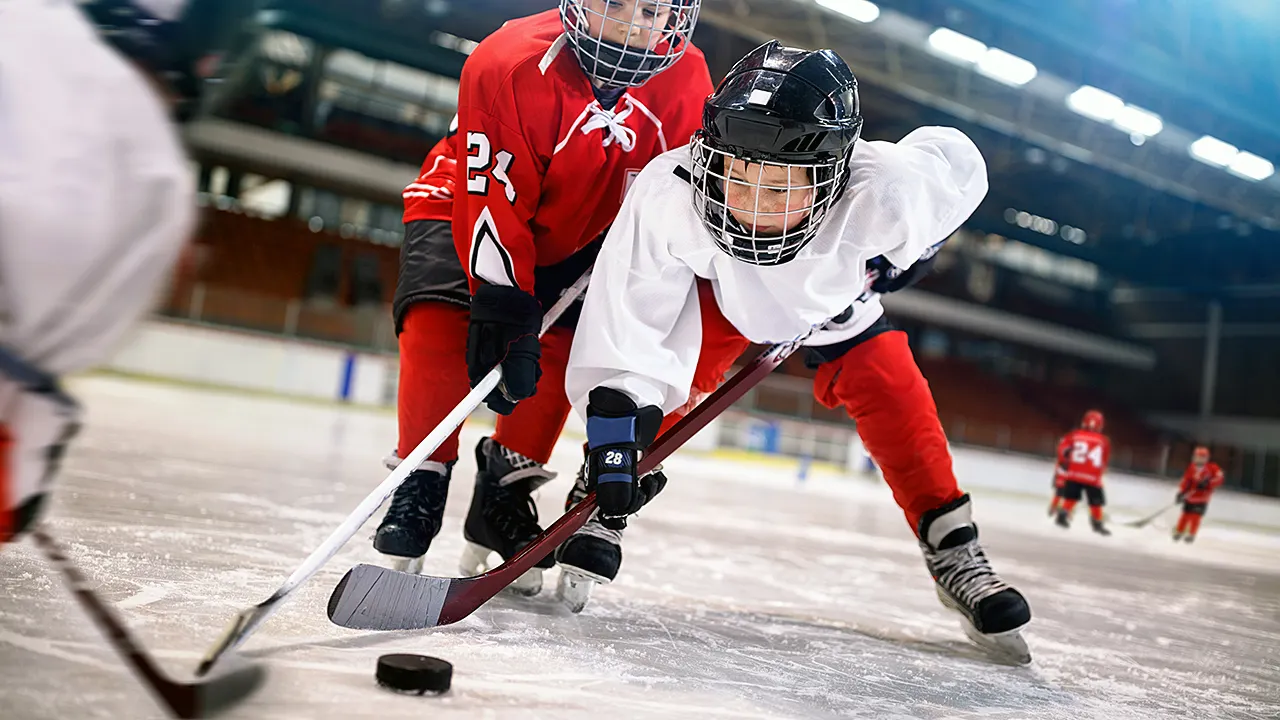
American kids are quitting sports in droves, and a surgeon who has treated professional athletes says our obsession with early specialization is to blame.
Dr. Andrew Pearle, a sports medicine surgeon who has worked with the New York Mets, sees the consequences of youth sports burnout in his operating room. The average American child quits sports before middle school after playing for less than three years, most often because it stops being fun.
The pressure to specialize early comes with serious health risks. Girls who play soccer year-round face a 16% chance of tearing their ACL during high school, an injury that can lead to arthritis and limit their ability to stay active for decades. Young bodies are still developing, with bones particularly vulnerable during puberty and growth spurts that temporarily affect coordination.
Too many parents and coaches treat youth sports as a path to scholarships or professional careers. They pack schedules with practices, private coaching, and travel tournaments while giving growing bodies little time to recover. These well-meaning adults push kids to do too much, too soon, forgetting that children are not miniature adults.
The Ripple Effect
Norway offers a refreshingly different approach. Their youth sports philosophy centers on keeping "as many as possible playing for as long as possible." Kids play multiple sports, compete close to home, and develop at their own pace without the pressure of early specialization.
The results speak for themselves. Of the 40 boys who played at soccer star Erling Haaland's youth club, 35 still play as adults. Norway produces world-class athletes while also creating lifelong lovers of movement and sport.
This matters because staying physically active provides crucial benefits throughout life. When injuries or burnout cut short someone's "playspan," the number of years they move with confidence, it affects their mental health, physical wellbeing, and social connections for decades.
A better system would encourage kids to play multiple sports and build broad movement skills before specializing. It would match training to their developmental stage, leave time for rest and recovery, and most importantly, keep it fun.
If some children earn scholarships or go pro, that's wonderful. But the real measure of success is creating adults who still love to move their bodies, whether on a pickleball court or a weekend soccer field.
Based on reporting by Fox News Opinion
This story was written by BrightWire based on verified news reports.
Play Today’s BrightWire Positive Mini Crossword & Word Game
Keep your mind sharp with our free 5-minute uplifting daily crossword and positivity word puzzle.
Spread the positivity!
Share this good news with someone who needs it