Norwegian Watchmaker Finds 300-Year-Old China Cargo Intact
A hobbyist underwater explorer in Norway discovered a shipwreck carrying perfectly preserved Chinese porcelain from 1750, stunning archaeologists with its pristine condition. The 72-foot vessel sat upright 2,000 feet underwater for three centuries.
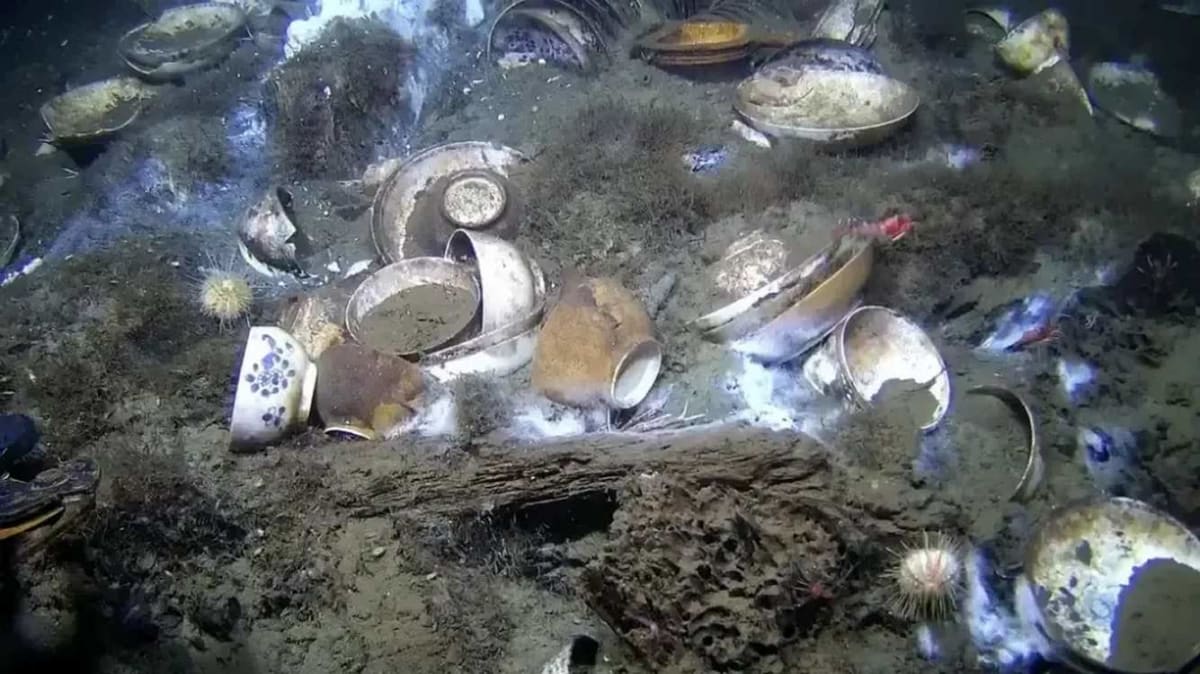
Espen Saastad was guiding his underwater survey vehicle through Norway's Skagerrak Strait when his screen lit up with something impossible: sparkling white and blue porcelain dishes peeking through ocean sand, untouched for 300 years.
Saastad, a watchmaker who runs a small underwater survey company as a passion project, immediately contacted Norway's cultural heritage officials. What he found left even seasoned archaeologists speechless.
"I had to rub my eyes when I grasped the scale of this find," said Hanna Geiran, director general of the Norwegian Directorate for Cultural Heritage. "It is almost beyond belief."
The 72-foot ship has rested upright on the seafloor since around 1750, sinking quickly enough to preserve its precious cargo remarkably intact. Last fall's discovery led to a joint expedition that recovered 40 artifacts using a robot equipped with suction cups.
The cargo tells a fascinating story of 18th-century global trade. Two porcelain styles filled the hold: elegant blue-decorated Batavia pieces and prized all-white Dehua ceramics, known in Europe as "Blanc de Chine."
The Dehua kilns that created these white treasures still operate on China's south coast today and hold UNESCO World Heritage status. Rice straw packing materials confirmed the cargo's Far Eastern origins, though experts believe the ship picked up the goods from an intermediary rather than sailing directly from China.
Beyond porcelain, the vessel carried blown glass stemware, chandeliers, barrels of grain, and mysterious degraded substances that might have been coffee, tea, cocoa, or medicine. A brick from the northern German city of Lübeck offered one clue to the ship's route, though galley repairs during a vessel's lifetime make definitive origins tricky.
The discovery captures a pivotal moment in history when Europe's middle class was booming and international trade was transforming from separate markets into a connected global system.
The Ripple Effect
The artifacts now anchor a new exhibition at the Norwegian Maritime Museum in Oslo, bringing 300-year-old trade routes to life for modern visitors. Saastad's amateur passion became a professional triumph, proving that curiosity and persistence can unlock secrets the ocean has kept for centuries.
Much of the cargo remains on the seafloor, waiting to reveal more stories about the people who sailed these waters when the world was becoming interconnected for the first time.
More Images




Based on reporting by Good News Network
This story was written by BrightWire based on verified news reports.
Spread the positivity!
Share this good news with someone who needs it