Notre Dame Brings Peace Expertise to Congo-Rwanda Conflict
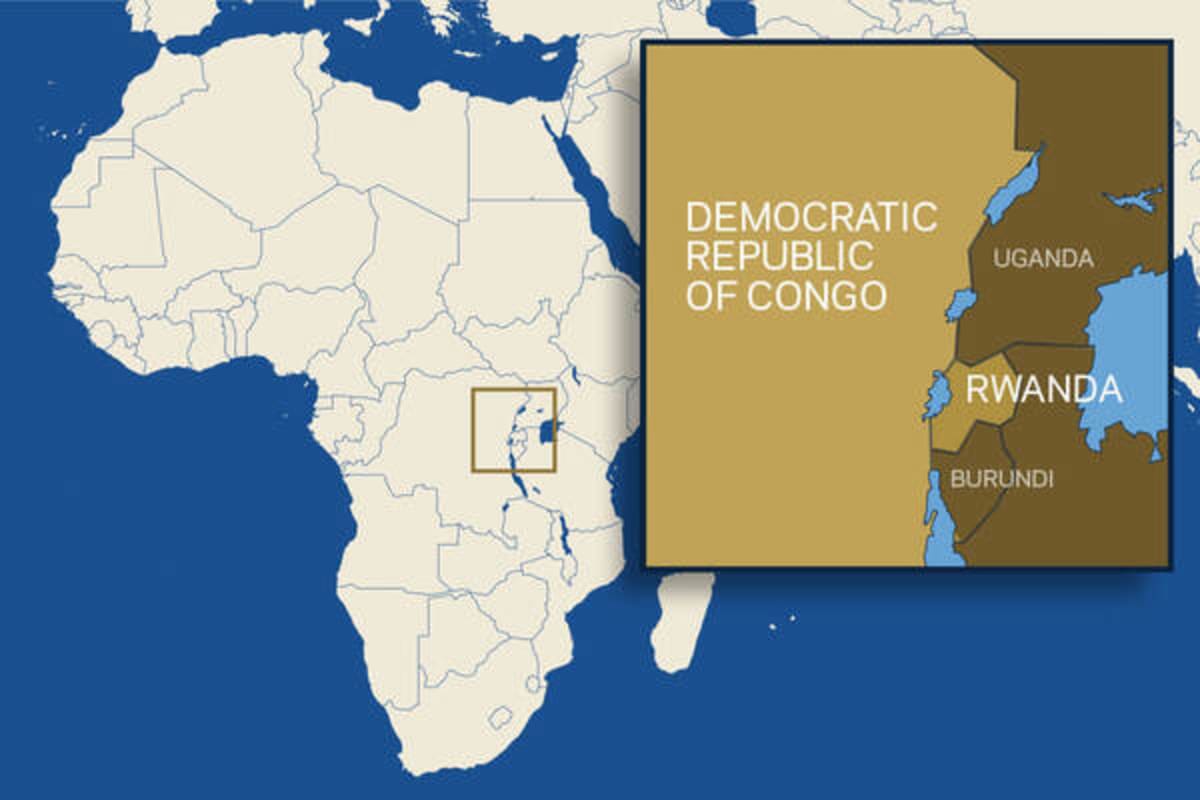
The University of Notre Dame is expanding its proven peace agreement monitoring work to help end a conflict that has displaced over 7 million people in Africa's Great Lakes region. The initiative will strengthen the fragile 2025 peace deal between the Democratic Republic of Congo and Rwanda by connecting local voices to the peace process.
A university program with a track record of helping nations turn peace agreements into lasting change is stepping in to support one of Africa's most urgent humanitarian crises.
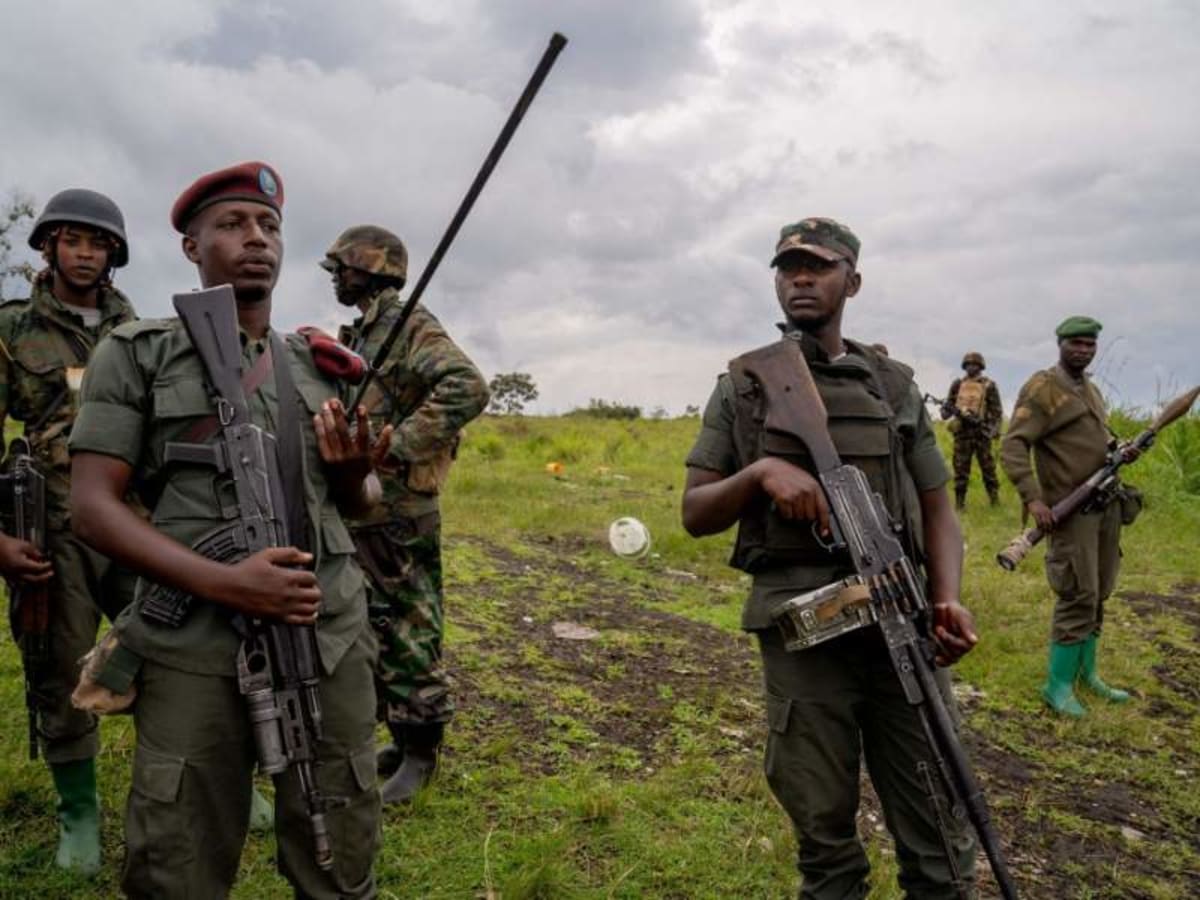
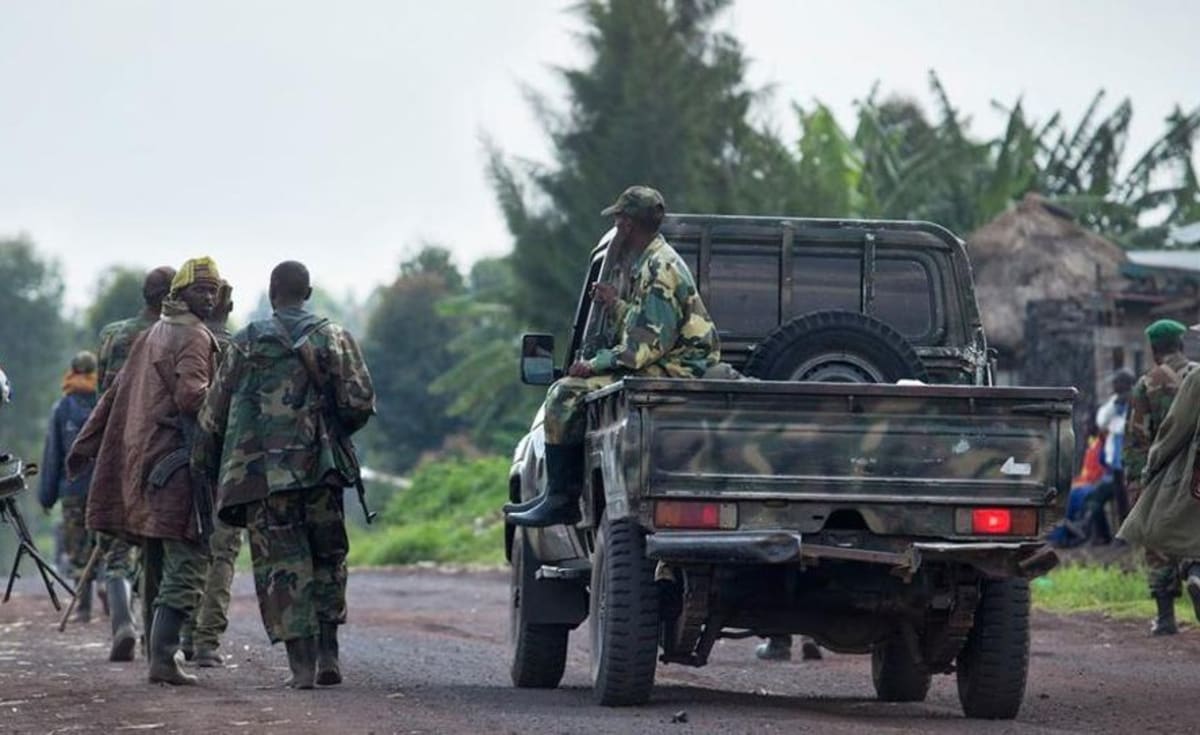
The University of Notre Dame's Peace Accords Matrix is bringing its expertise to the Democratic Republic of Congo and Rwanda, where a U.S.-brokered peace agreement signed in June 2025 has struggled to take hold. Fighting continues in eastern DRC despite the formal Washington Accords for Peace and Prosperity established last December.
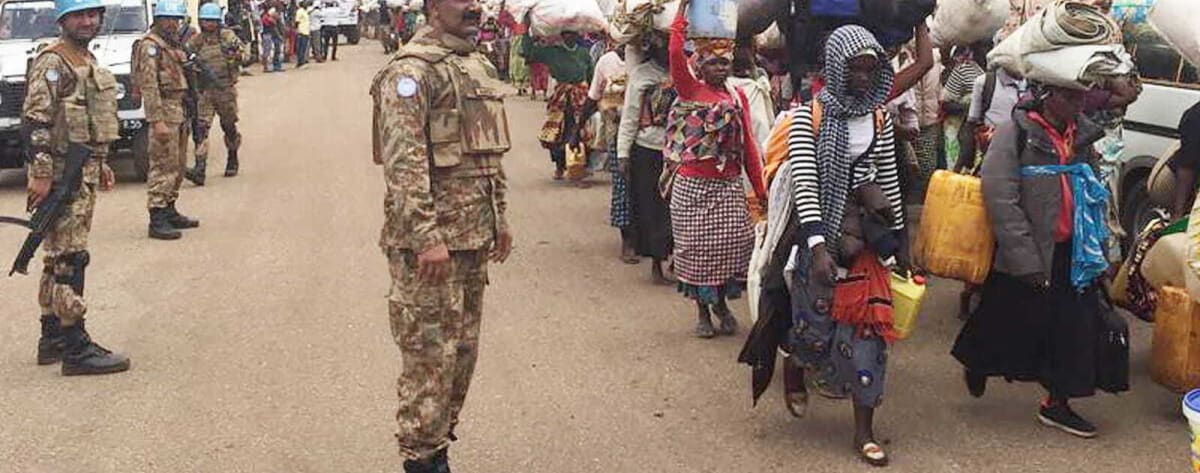
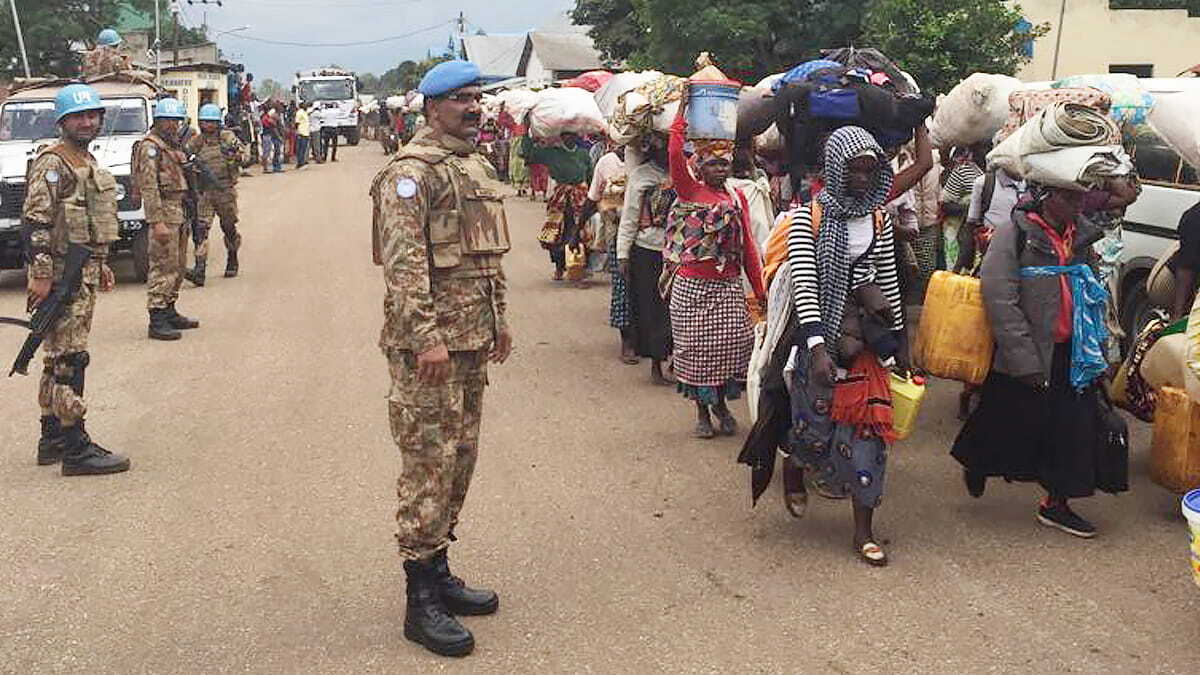
The stakes couldn't be higher. Decades of conflict in eastern DRC have forced more than 7 million people from their homes, with violence intensifying since 2022 across the densely populated Great Lakes region.
The Peace Accords Matrix doesn't arrive with ready-made solutions. Instead, the Notre Dame team is mapping the landscape of peacebuilders and civil society groups who have been largely left out of implementation talks so far.
"Our work is really about understanding the context as much as we can, mapping the landscape and building trust with key actors," said Carolina Serrano Idrovo, assistant director of research and grant operations for the program.
That grassroots gap creates real risk. Top-down peace processes that ignore broader community input rarely stick, and the current approach has already hit roadblocks over how to sequence and verify commitments between the two nations.
The team has enlisted Emmanuel Habuka Bombande, a Ghana-based peacebuilder with decades of U.N. mediation experience, to coordinate outreach. Starting in fall 2026, they'll host workshops to help civil society organizations understand their role in the peace process and find ways to participate meaningfully.
The Ripple Effect
This isn't Notre Dame's first success story. The Peace Accords Matrix made history in Colombia, becoming the first university-based research center to directly verify and monitor a peace agreement in real time following the country's 2016 accord. The program also tracks progress on the 2014 Mindanao agreement in the Philippines.
The model works because it prioritizes local knowledge. Rather than imposing outside frameworks, the team builds relationships with people already working for peace on the ground, then amplifies their voices and connects them to decision-makers.
"In every context in which we work, we prioritize relationships with local stakeholders," Serrano said. "They play a critical role in shaping and sharing our analysis."
The Swiss-based Vitol Foundation is supporting this expansion, which marks the Peace Accords Matrix's first work on the African continent. Director Josefina Echavarría Álvarez sees the Great Lakes initiative as essential for the entire region to break free from cycles of humanitarian crises.
Sustainable peace requires more than signatures on paper, it needs the voices of those who will actually live under the agreement.
More Images
Based on reporting by Google News - Peace Agreement
This story was written by BrightWire based on verified news reports.
Spread the positivity!
Share this good news with someone who needs it