Nova Scotia Startup Turns Ocean Into Giant Carbon Sponge
A Nova Scotia company is testing a breakthrough method to trap carbon in the ocean for thousands of years. The pilot project mimics nature's own carbon-storing process, but speeds it up dramatically.
Imagine if the ocean could capture even more of our carbon pollution and lock it away for 10,000 years. That's exactly what a Nova Scotia startup is making happen.
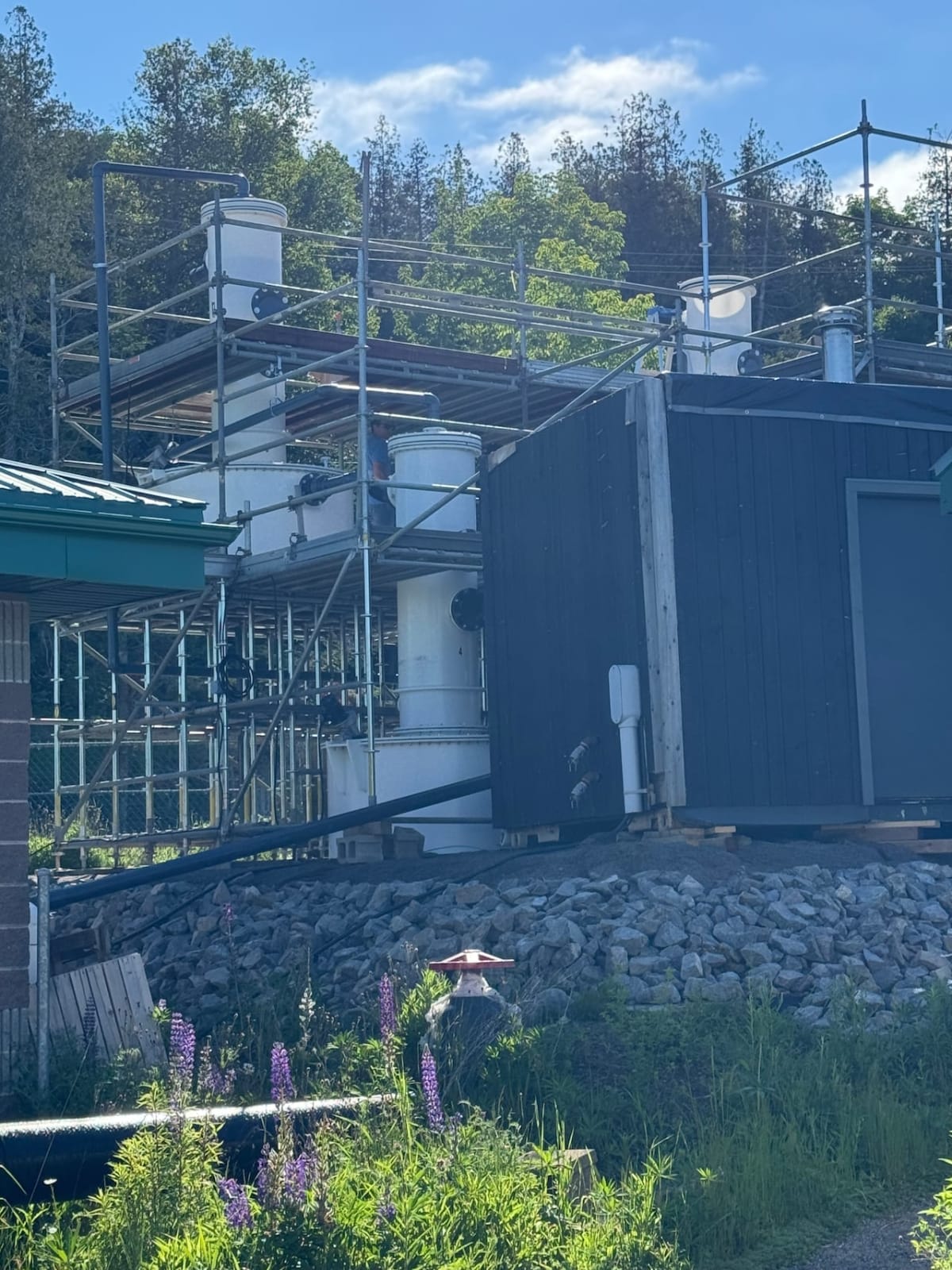
The company pHathom is testing an innovative approach at the Huntsman Marine Science Centre in St. Andrews, New Brunswick. Their method copies what nature already does when raindrops absorb carbon dioxide from the air, hit limestone rocks, and eventually carry that captured carbon to the ocean as bicarbonate.
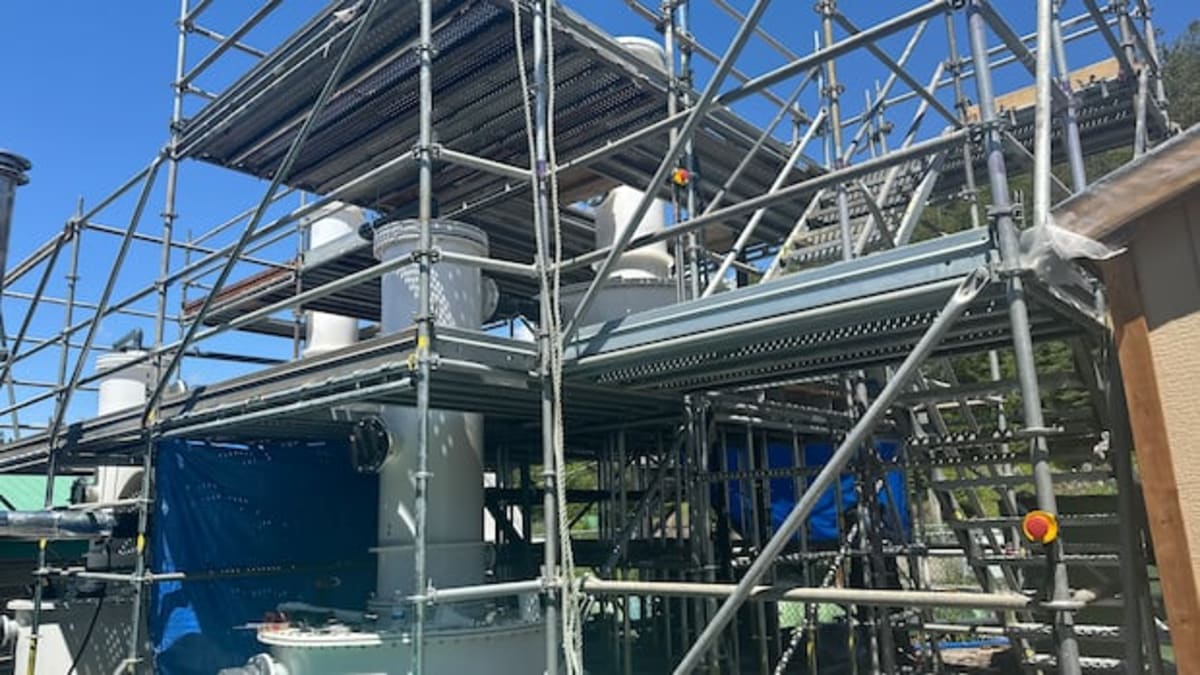
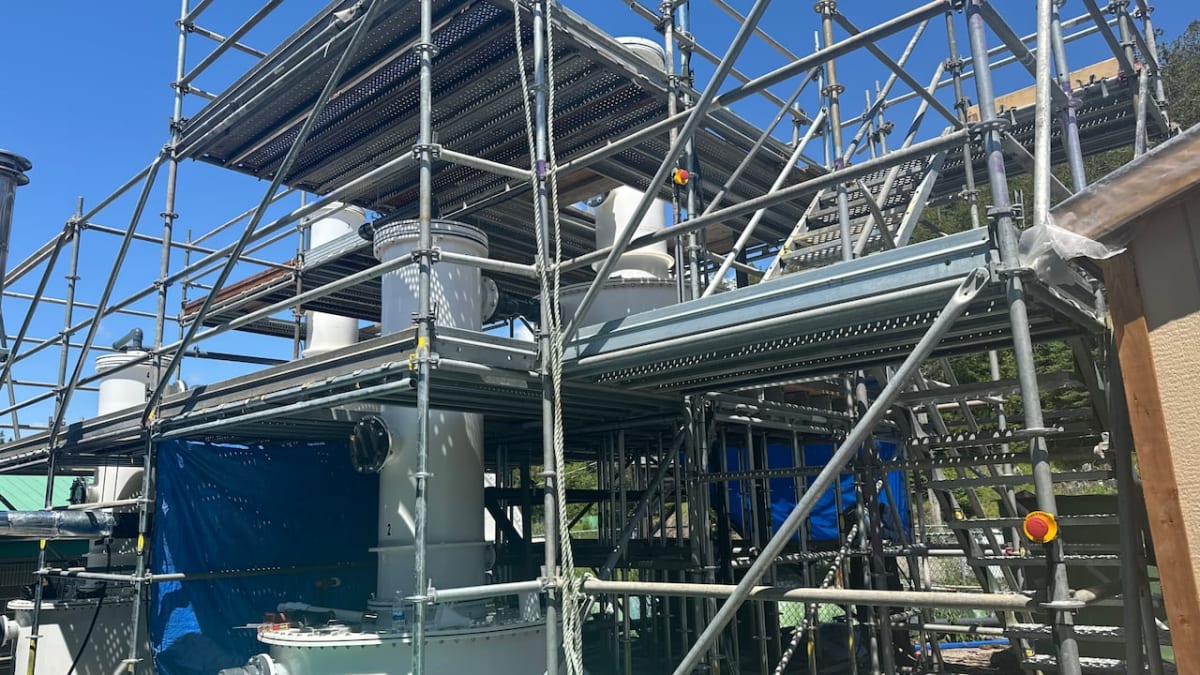
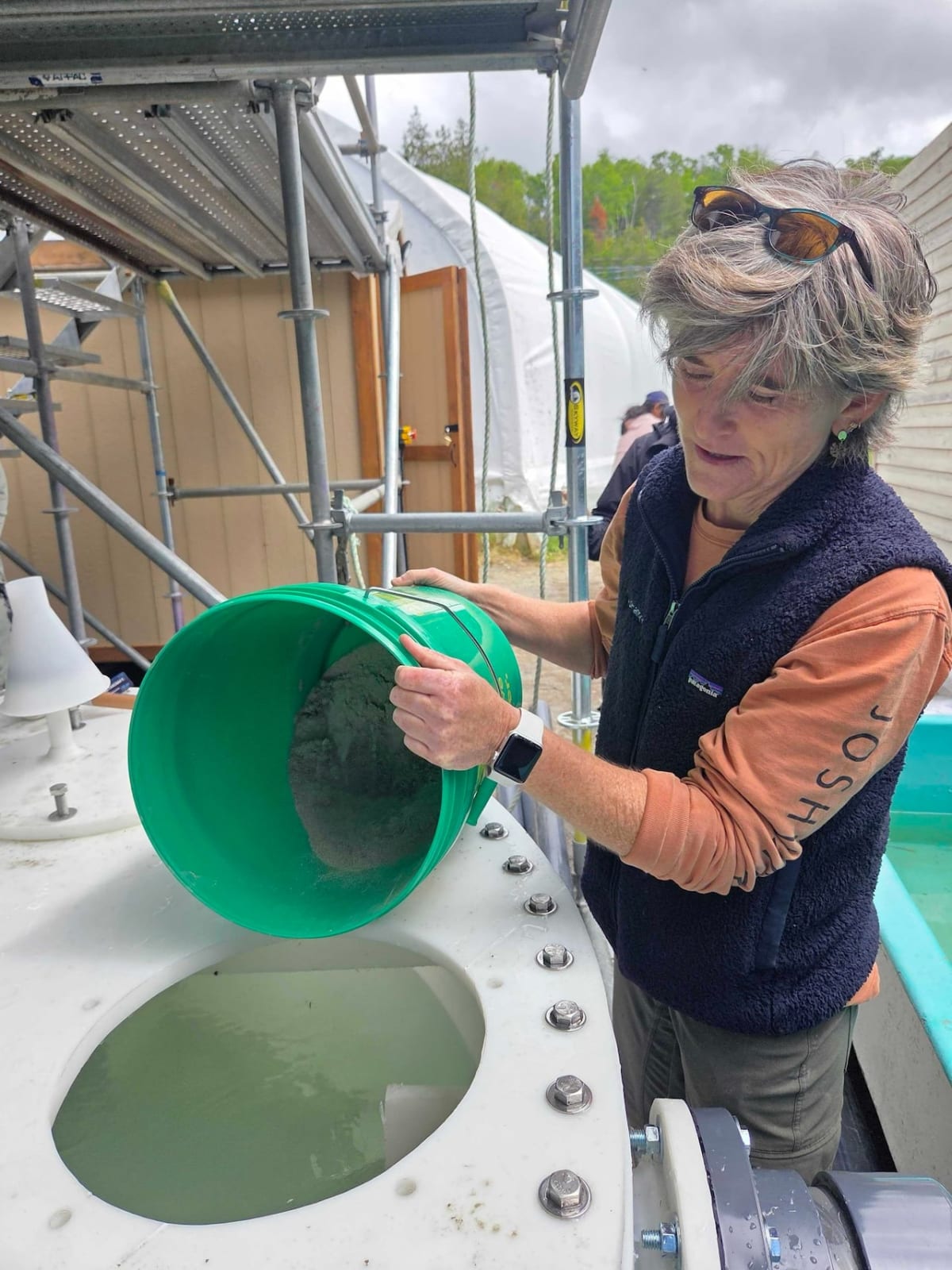
CEO Kimberly Gilbert and her team built a reactor that does this same process in minutes instead of years. They take seawater, mix it with exhaust from a biomass power plant, then add tiny limestone particles that convert the carbon dioxide into bicarbonate. The treated water goes back into the ocean at the same pH level as regular seawater, where the carbon stays locked away for millennia.
The ocean has already been doing us a huge favor. Since the 1980s, it has absorbed about 30 percent of all human-caused carbon emissions. This new technology could help it absorb even more.
Right now, the pilot captures 0.1 tonnes of carbon dioxide per day. That might sound small, but proving the concept safe is what matters most. Scientists at the marine centre are monitoring the treated water's effects on various sea creatures over three months to ensure no harm comes to ocean life.
Several Nova Scotia companies are exploring similar ocean-based carbon removal methods. Planetary is adding alkaline rock to seawater in Halifax's Tufts Cove, while CarbonRun tests a river-based approach. Gilbert says pHathom's advantage is using highly concentrated carbon dioxide, making the whole process more efficient and measurable.
Why This Inspires
What makes this story so hopeful is the timeline. If the pilot succeeds, pHathom plans to scale up with a second test site in Nova Scotia next year, integrating their reactor into a building switching from fossil fuels to biomass.
Dalhousie University oceanography professor Katja Fennel notes that for ocean alkalinity enhancement to seriously fight climate change, it needs to reach massive scale. The challenge is daunting, but she believes the climate crisis justifies investigating every promising solution while we continue cutting emissions.
A recent Canadian Senate report highlighted Canada as a global leader in this field. The recognition could spark more government support and international collaboration.
Associate research scientist Davide Asnicar calls it exciting to be at the beginning of this science. Every test answers crucial safety questions and brings the technology closer to protecting our atmosphere at scale.
The path from pilot project to climate solution is long, but this team is proving it's possible to work with nature to heal our planet.
More Images

Based on reporting by Google News - Climate Solution
This story was written by BrightWire based on verified news reports.
Spread the positivity!
Share this good news with someone who needs it