Nova Scotia Targets 80% Renewable Energy by 2030
Canada's Nova Scotia province is racing toward an 80% renewable energy grid by 2030, adding massive wind farms and solar arrays while closing all remaining coal plants. The ambitious clean energy transformation could turn this coastal region into a renewable power superpower.
A small coastal province in Canada is making a giant leap toward clean energy that could reshape how North America powers its future.
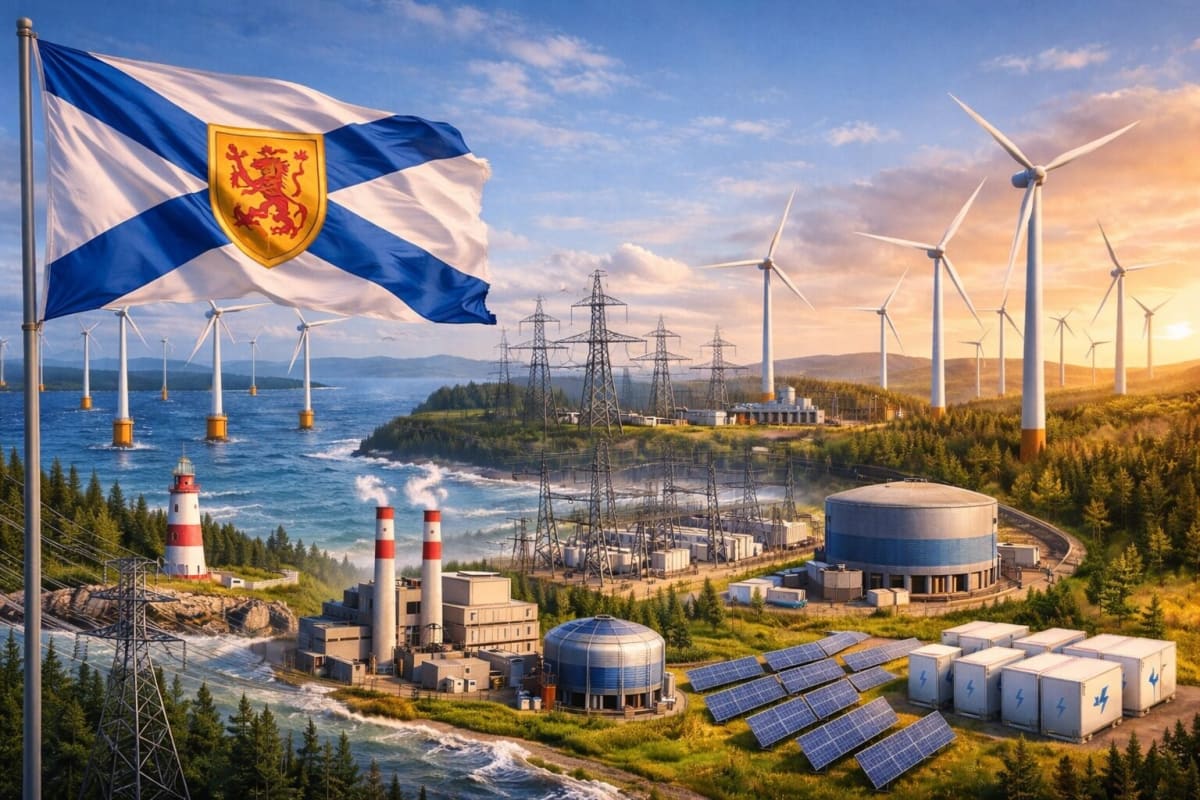
Nova Scotia has committed to running on 80% renewable energy by 2030, a dramatic shift for a region that currently depends heavily on coal and gas. The province plans to add 1,500 megawatts of new wind capacity and 200 megawatts of solar power over the next six years while shutting down every coal plant still operating.
The numbers tell an impressive story. Nova Scotia Power serves 550,000 customers across a province that stretches 360 miles along Canada's eastern seaboard. Right now, coal generates most of the electricity, but that's about to change fast.
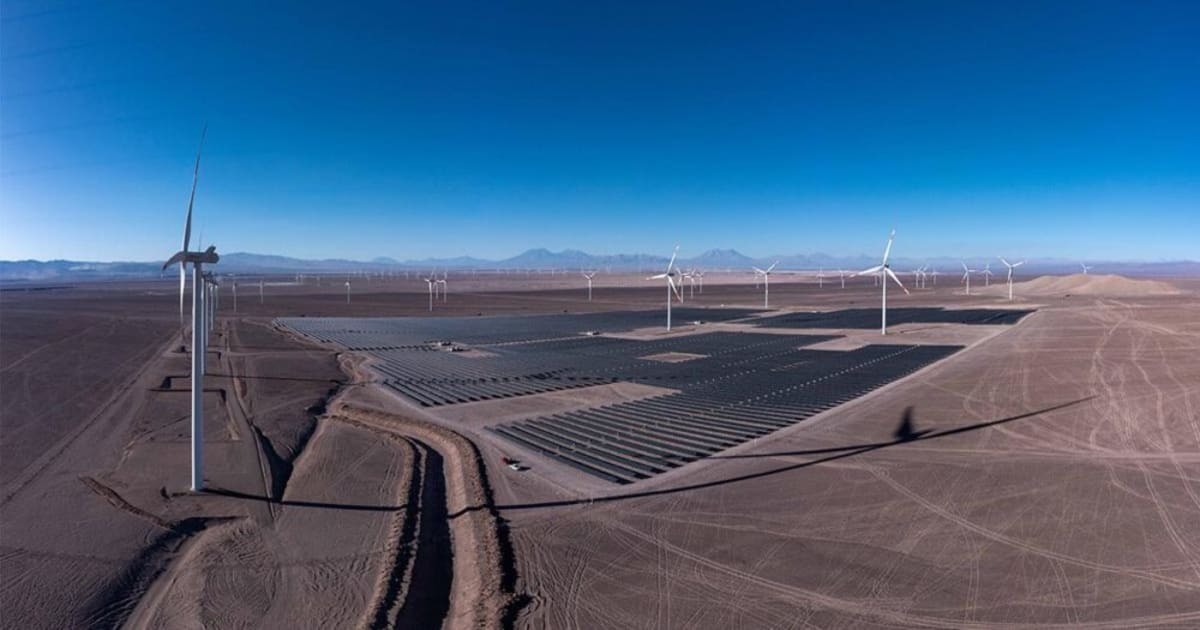
Wind turbines will lead the transformation. Nova Scotia enjoys some of the strongest, most consistent winds in the world, making it ideal for both onshore and offshore wind farms. The province just announced West Wind, a $60 billion offshore wind project that aims to eventually meet more than a quarter of Canada's total electricity demand.
Premier Tim Houston sees enormous potential beyond Nova Scotia's borders. "With some of the top wind speeds in the world, Nova Scotia has the potential to become a clean energy superpower," he said. The province plans new transmission lines to send excess clean power west to other parts of Canada.
Engineers are solving the challenge of keeping the grid stable as coal plants retire and wind farms multiply. They're adding battery storage systems and special equipment called synchronous condensers that help balance power flow when wind speeds change. Some existing gas plants will remain online temporarily to ensure reliability during the transition.
The Ripple Effect spreads far beyond Nova Scotia's shores. Other Atlantic provinces are watching closely and pursuing similar goals as part of Canada's national strategy to reach net zero emissions by 2050. New Brunswick and Prince Edward Island are developing their own renewable projects, creating a clean energy network across Canada's Maritime region.
Success here could provide a blueprint for other coastal regions worldwide blessed with strong winds but dependent on fossil fuels. The technical solutions Nova Scotia develops for grid stability could help dozens of other places make the same transition faster and more affordably.
Not everything will be perfect. Engineers predict the grid won't be able to handle all the wind power being generated at peak times, potentially wasting up to 30% of the clean energy produced. That's driving plans for additional transmission lines and battery storage to capture power when winds blow strongest and release it when demand peaks.
The transformation represents genuine climate progress paired with economic opportunity, proving clean energy transitions can happen faster than many experts believed possible just a few years ago.
More Images


Based on reporting by Google News - Wind Energy
This story was written by BrightWire based on verified news reports.
Spread the positivity!
Share this good news with someone who needs it