NVIDIA Launches First Full Safety System for Workplace Robots
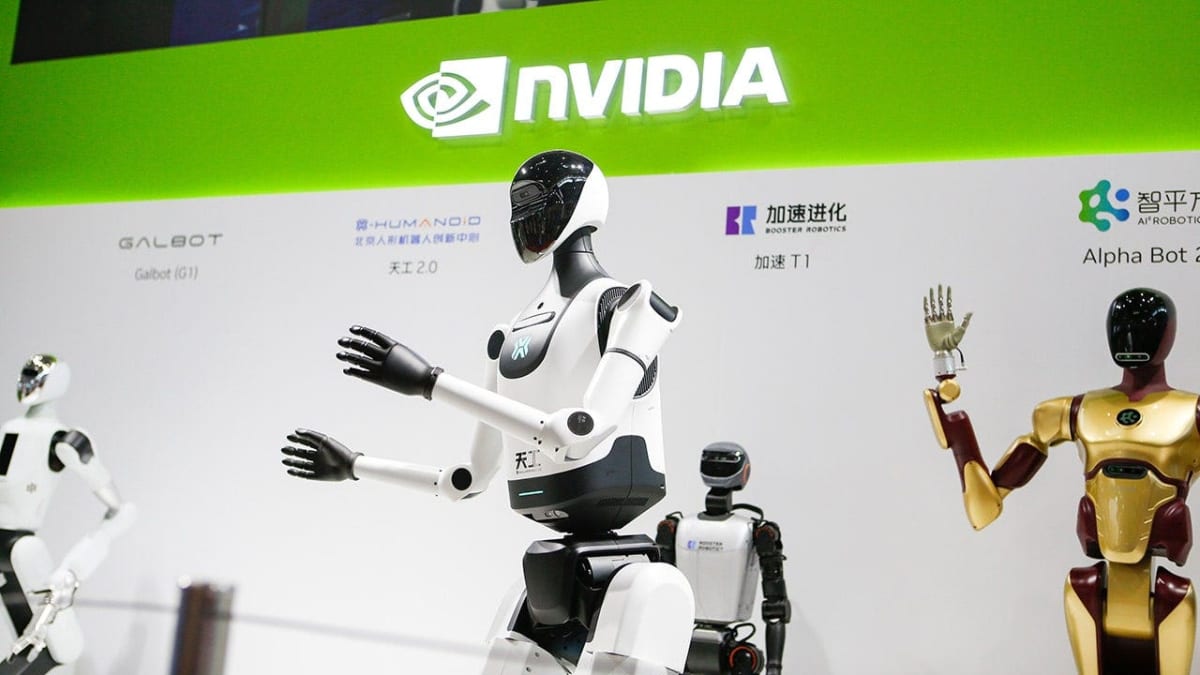
Humanoid robots are heading to warehouses and factories with a new safety system designed to protect workers. NVIDIA's breakthrough platform helps robots sense, decide, and act safely around people in real-world workplaces.
Robots are about to become much safer coworkers, thanks to a breakthrough system that helps machines work alongside people without accidents.
NVIDIA just launched Halos for Robotics, the first complete safety system designed specifically for humanoid robots entering warehouses, factories, and logistics centers. The platform connects AI computing power, safety software, sensors, and real-time monitoring into one unified architecture that keeps workers protected.
The timing matters because companies like Amazon, Toyota, and GXO are already testing humanoid robots in their facilities. These robots need to navigate crowded warehouse floors where people are walking, equipment is moving, and split-second decisions can prevent injuries.
NVIDIA built Halos using over 18,600 engineering years of autonomous vehicle safety development. That experience translates directly to robotics because both technologies face the same challenge: sensing what's happening nearby, making instant decisions, and operating safely around humans.
The system works across multiple safety layers. Industrial-grade AI processors handle real-time computing while external cameras and AI agents help robots adjust their behavior on the fly. Every component gets tested in NVIDIA's new AI Systems Inspection Lab, the world's first accredited facility for physical AI safety.
Agility, maker of the humanoid robot Digit, became the first company to adopt the platform. Digit already works in logistics and manufacturing settings, and now it's getting even safer through NVIDIA's safety architecture integrated into its human detection system.
"Safety has to be built into the robot and validated across the entire system," said Peggy Johnson, CEO of Agility. The company is working with NVIDIA to ensure every safety component meets international standards before robots deploy alongside workers.
The Ripple Effect
This safety breakthrough could accelerate how quickly helpful robots reach workplaces everywhere. When companies trust that robots meet rigorous safety standards, they can focus on using automation to handle repetitive or physically demanding tasks while workers move into more skilled roles.
The platform also creates a common language for robot safety across the industry. Instead of every company building separate safety systems from scratch, robotics makers can now build on proven foundations and get safer robots to market faster.
Major certification bodies including TÜV Rheinland, UL Solutions, and SGS are already partnering with NVIDIA to validate the system. That means robots using Halos can earn trusted safety certifications that meet international workplace standards.
As humanoid robots become more common in industrial settings, having a standardized safety system means workers can feel confident no matter which robot brand their employer chooses. Safety becomes the baseline, not an afterthought.
One unified safety system is paving the way for robots and humans to work side by side with confidence.
More Images
Based on reporting by Fox News Science
This story was written by BrightWire based on verified news reports.
Spread the positivity!
Share this good news with someone who needs it