NY Startup Builds Friendly Robot That Plays With Kids
A New York robotics company just unveiled Sprout, a 3.5-foot humanoid robot designed to safely interact with children through high-fives, handshakes, and playful gestures. The affordable, lightweight companion could bring robots out of factories and into homes, schools, and therapy centers.
📺 Watch the full story above
Imagine a robot that looks more like a beloved cartoon character than a factory machine, one that's specifically designed to play safely with your kids.
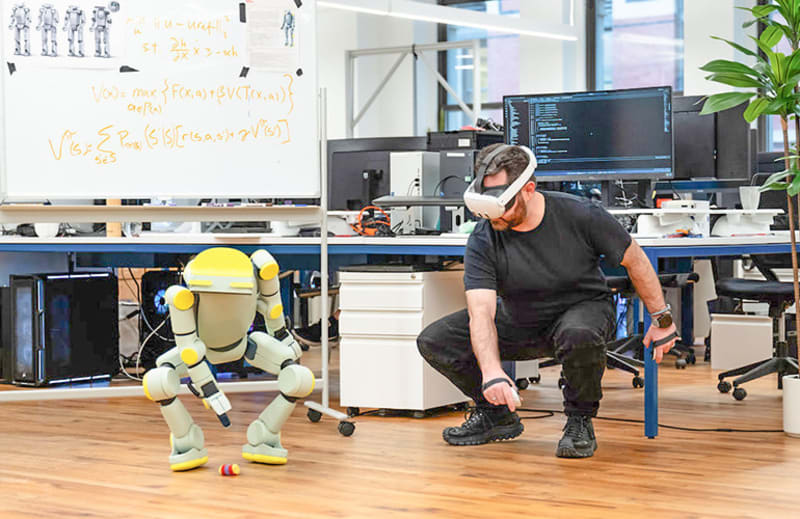
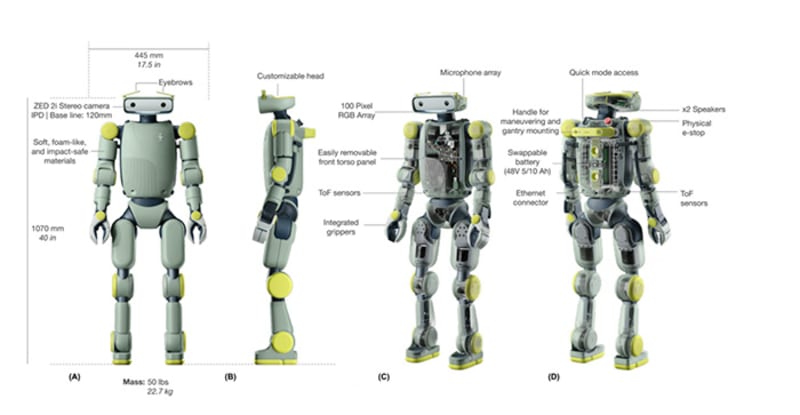
That's exactly what Fauna Robotics just introduced with Sprout, a humanoid robot built from the ground up for friendly interaction. Standing 3.5 feet tall and weighing just 50 pounds, Sprout is deliberately kid-sized and unintimidating.
The New York startup, led by founders Rob Cochran and Josh Merel, designed Sprout with soft exterior panels and special motors that minimize impact if the robot bumps into someone. A dedicated safety system monitors conditions in real time to keep interactions gentle and secure.
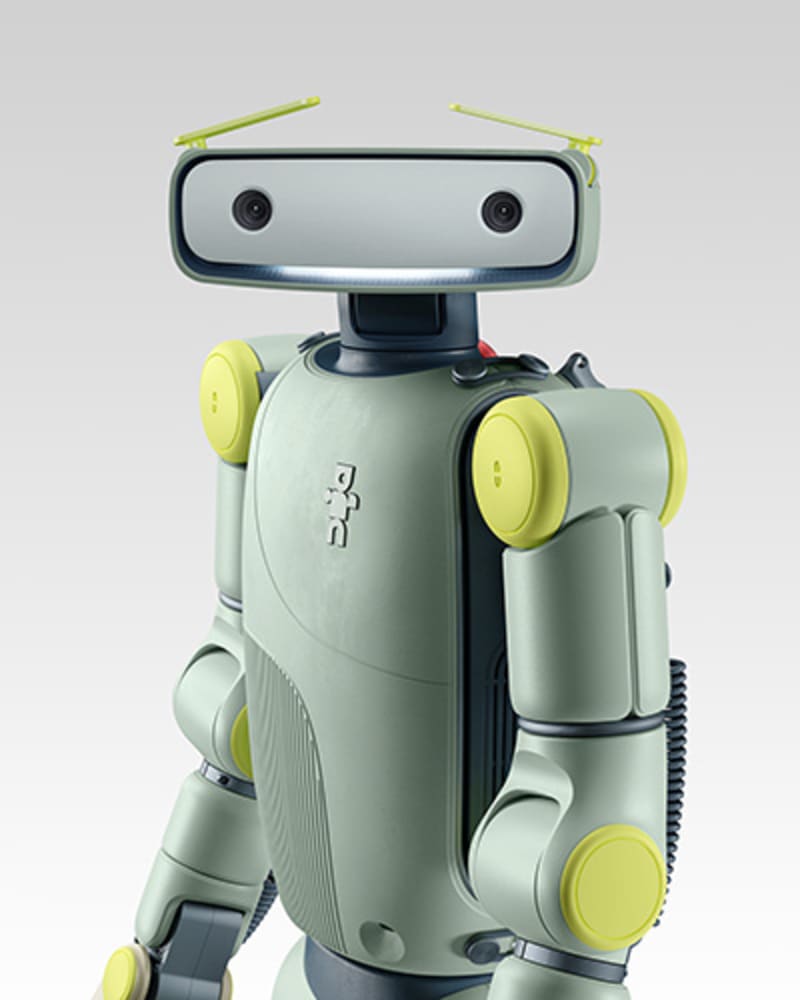
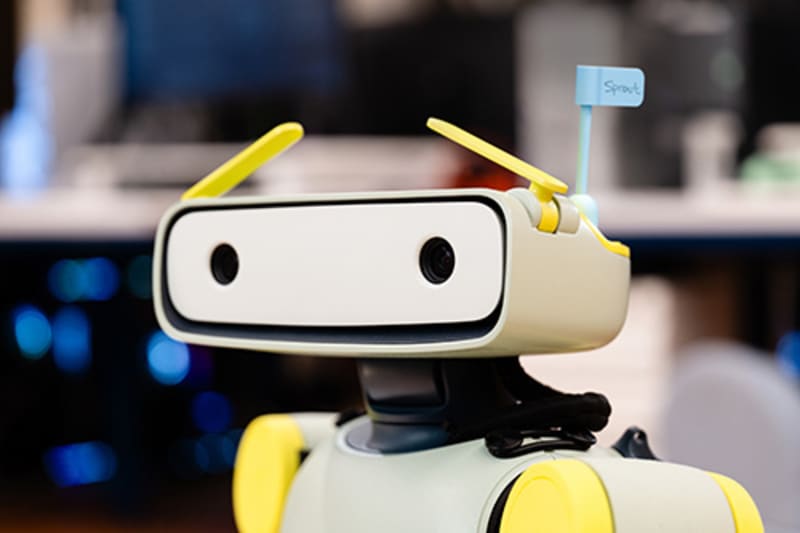
But what makes Sprout special isn't just its safety features. The robot has motorized eyebrows and LED lights that express emotions without using screens, making it feel more alive and relatable. An articulated neck lets Sprout "look" at people and objects, while fluid arm movements allow it to give high-fives and handshakes.
"It gives people the tools to start building interesting applications, rather than focusing on the fundamentals that make it quite a small community of roboticists," Cochran explained. The goal is making robotics accessible to educators, therapists, and developers who want to create helpful applications without needing advanced engineering degrees.
Sprout runs on NVIDIA's powerful Jetson AGX Orin processor and comes with ready-to-use features like voice interaction, navigation, and mapping right out of the box. Its 29 movable joints and swappable 3.5-hour battery make it durable enough to recover from falls and versatile enough for extended use.
The Ripple Effect
By using consumer electronics manufacturing and keeping the part count low, Fauna Robotics designed Sprout to be affordable enough to scale from research labs to schools and homes. This could democratize access to robotics technology, opening doors for special education programs, autism therapy, elderly companionship, and interactive learning experiences that were previously out of reach for many institutions.
Cochran compares this moment to the early days of personal computing, when the Apple II and BASIC programming language suddenly let everyday people create applications. Now, that same transformation could be coming to physical robotics.
If Fauna succeeds, the robots of tomorrow won't just work in warehouses—they'll be trusted companions in classrooms, therapy sessions, and living rooms, making technology feel a little more human.
More Images
Based on reporting by The Robot Report
This story was written by BrightWire based on verified news reports.
Spread the positivity!
Share this good news with someone who needs it