NYC Bans AI Tools for 600K Elementary Students
New York City is pressing pause on AI in classrooms for younger students, choosing human connection over algorithms. The year-long moratorium affects 600,000 students as officials study how children learn best.
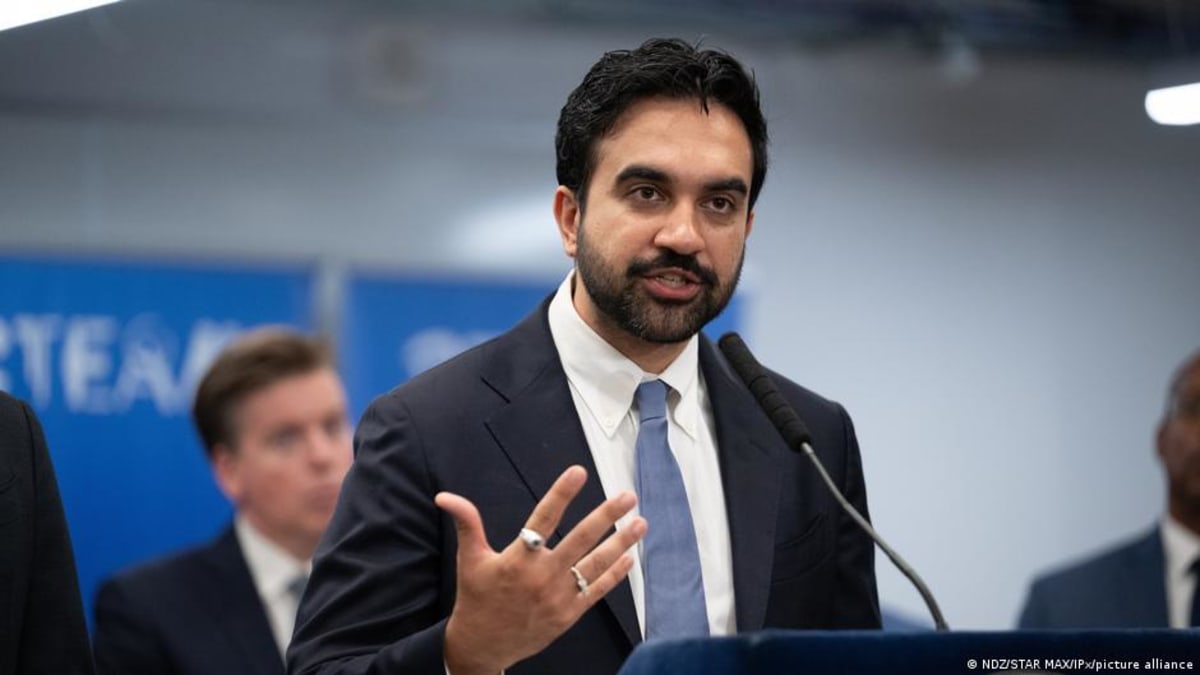
New York City just made a bold choice: elementary and middle school students will learn without generative AI tools for the next school year. Mayor Zohran Mamdani announced the temporary ban on Wednesday, affecting roughly 600,000 public school students through eighth grade.
The decision comes down to something simple but powerful. Children need human connection to truly learn and grow, Mamdani explained, emphasizing that students must develop skills alongside peers, build relationships with educators, and wrestle with tough problems on their own.
The one-year moratorium will halt about 40 educational AI tools currently used in classrooms. Companion chatbots will be banned across all grade levels, though high schoolers get a different approach.
Instead of a full ban, high school students will receive twice-yearly AI literacy classes. Some will participate in pilot programs using select AI platforms under teacher supervision, learning to work with the technology responsibly.
Teachers keep their AI access for behind-the-scenes work like lesson planning and administrative tasks. The policy recognizes that educators can benefit from these tools without exposing young learners to potential risks.
The Ripple Effect
New York isn't alone in rethinking classroom technology. Los Angeles Unified, the nation's second-largest school district, is also temporarily blocking generative AI tools while developing formal policies.
At least 37 states now have some form of official AI guidance for schools, signaling a nationwide conversation about technology's role in education. Districts across America are weighing the same question: how do we prepare students for a tech-driven future without losing the human elements that make learning meaningful?
New York's plan goes beyond AI. The city is implementing recommended screen time limits of 30 minutes daily for grades three to five and 45 minutes for grades six to eight, recognizing that less screen time often means more real connection.
The district will also review all education technology tools to eliminate those deemed nonessential to learning. It's a refreshing approach that asks what truly serves students rather than what's simply available.
Michael Mulgrew, president of the United Federation of Teachers, welcomed the screen time limits while calling for clearer safeguards on future technology purchases. Children's advocacy groups want even more time for evaluation, with some suggesting that AI platforms should prove their educational value before entering classrooms at all.
The 600,000 affected students return to classrooms next week, where they'll find more teachers and less technology waiting for them.
Based on reporting by DW News
This story was written by BrightWire based on verified news reports.
Spread the positivity!
Share this good news with someone who needs it