NYC Nurses Win Historic Strike for Patient Safety
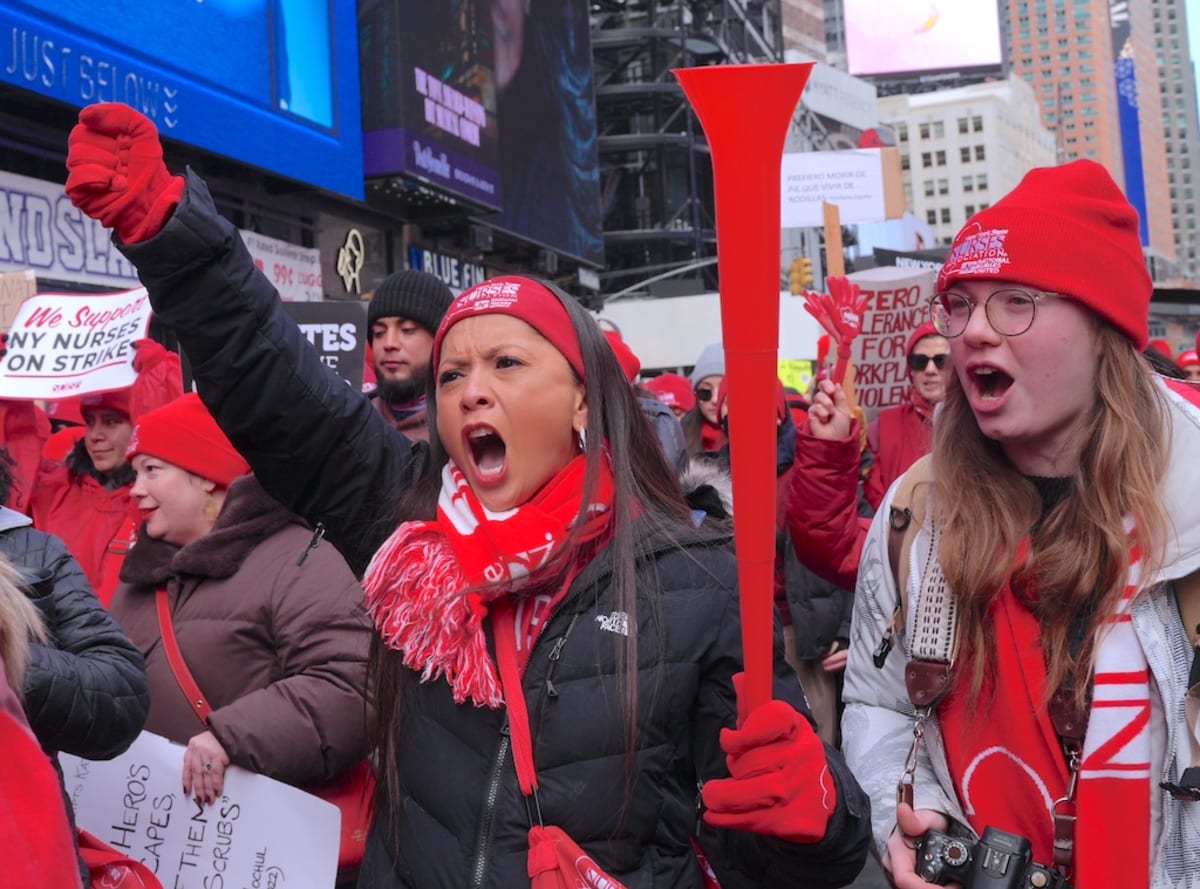
Nearly 15,000 New York City nurses walked off the job in the largest and longest nurses' strike in city history and won major protections for patients and healthcare workers. Their three-week fight in freezing temperatures secured better staffing levels, preserved health benefits, and set new standards for workplace safety.
When Janella, a surgical nurse at Mount Sinai Morningside, joined nearly 15,000 colleagues on the picket line this winter, they weren't just fighting for themselves. They were fighting for every patient who deserved safe care in one of America's richest cities.
The three-week strike became the largest and longest nurses' strike in New York City history. Nurses from Mount Sinai, Montefiore, and NewYork-Presbyterian hospitals braved freezing temperatures to demand what hospitals had tried to take away: enforceable staffing standards that prevent nurses from being dangerously overloaded with patients.
Janella had seen the problem firsthand. In 2022, her hospital's nurses won over $1 million in back pay after arbitrators ruled they'd been chronically understaffed. The contract gave nurses real tools to hold hospitals accountable when patient safety was at risk.
But during 2023 negotiations, hospital administrators came to the table with a different attitude. Management seemed hostile to nurse concerns and willing to hire expensive temporary nurses rather than negotiate fairly over staffing and benefits. Several of the city's wealthiest hospitals worked together to push nurses toward striking.
The first days on the strike line were bitterly cold but emotionally warm. Nurses from different units became closer as they shared stories about their unique challenges. They marched together, hugged for warmth, and built bonds that continued after returning to work.
Community support kept spirits high during discouraging moments. Patients and their families stopped by with kind words. Bus drivers honked in solidarity. One driver even dropped Janella right at the picket line entrance and honked so loudly that everyone cheered as she joined her colleagues.
The Ripple Effect
The strike's impact reaches far beyond one group of hospitals. Nurses won commitments to hire nearly 50 additional staff members to improve patient safety. They secured new protections against workplace violence and artificial intelligence in healthcare, setting precedents that could protect healthcare workers nationwide.
They also preserved nondiscrimination protections for transgender patients and staff, and kept the health benefits that make nursing careers sustainable in expensive cities. Most importantly, they maintained the contract language that lets them hold hospitals accountable when staffing falls dangerously low.
When nurses returned to work on Valentine's Day, doctors, therapists, and support staff welcomed them back with open arms. Everyone had missed the dedicated professionals who put patient safety first.
The victory proved that collective action works even against powerful hospital systems, showing healthcare workers everywhere that fighting for safe staffing isn't just about better working conditions but about protecting every patient who walks through hospital doors.
Based on reporting by Google News - Historic Victory
This story was written by BrightWire based on verified news reports.
Spread the positivity!
Share this good news with someone who needs it