
NYC Opens First City-Funded Pet Food Pantry for Low Income
New York City just made it easier for low-income families to keep their beloved pets. Mayor Mamdani's new budget includes $750,000 for the city's first public pet food pantry program.
Thousands of New York City families who worry about affording pet food just got life-changing news from City Hall.
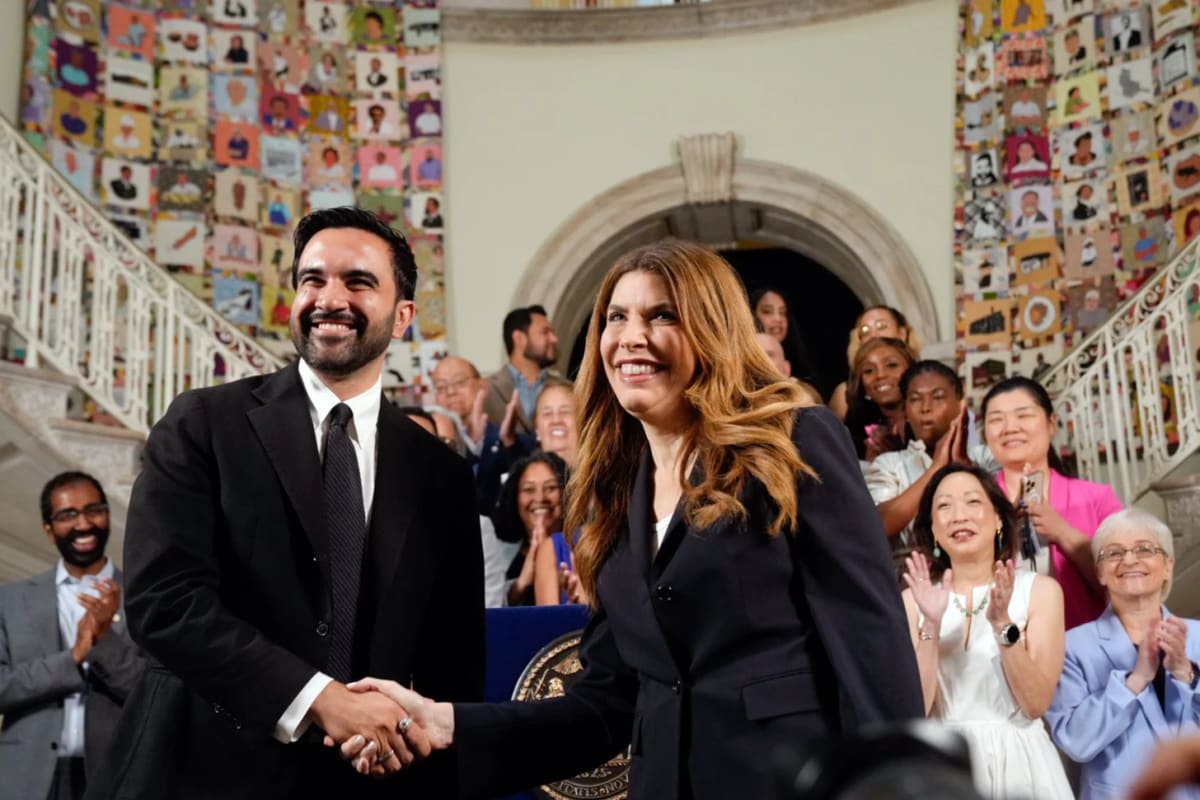
Mayor Zohran Kwame Mamdani and City Council Speaker Julie Menin announced a $125.8 billion budget for 2027 that includes something no NYC budget has ever funded before. The city will launch its first public pet food pantry program with $750,000 in funding.
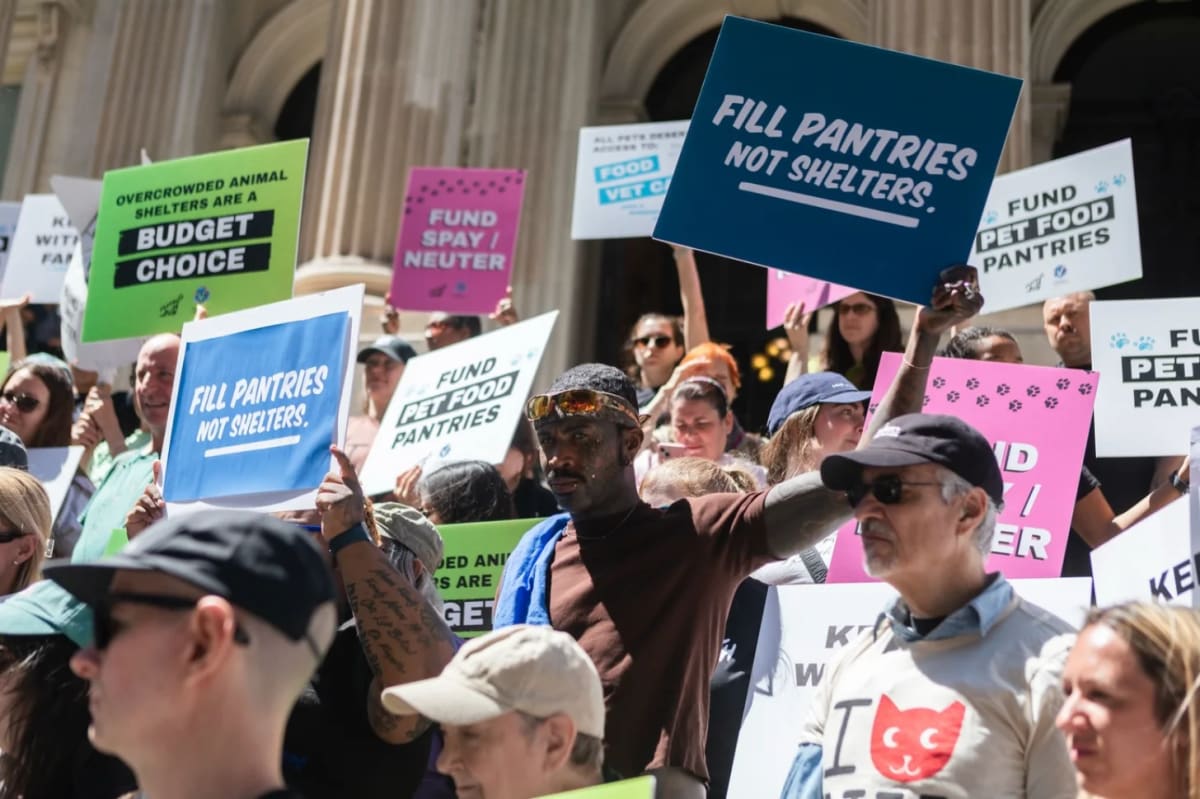
The pet food pantries will operate through existing community food networks and neighborhood hubs across all five boroughs. Eligibility will align with current low-income public assistance guidelines, making it simple for families already receiving help to access pet food support.
The budget also boosts funding for spay and neuter services by $250,000, bringing that program to $750,000 total. Mobile clinics will travel to low-income neighborhoods, and participating veterinarians will accept vouchers for the services.
Council Member Harvey Epstein praised the investment as part of a broader affordability agenda. The full budget includes $54 million for Fair Fares public transit expansion, $175 million for housing vouchers, and $79.1 million for parks, libraries, and cultural institutions.
The Ripple Effect
This program recognizes something animal advocates have known for years: pet ownership shouldn't be a luxury reserved for the wealthy. When families can afford to keep their pets, fewer animals end up abandoned on streets or surrendered to overcrowded shelters.
Advocacy group Voters for Animal Rights celebrated the funding as a starting point. Their long-term vision includes publicly funded pet food pantries and low-cost veterinary clinics accessible in every borough for any rescuer or pet parent who needs them.
The program will be distributed through local animal shelters and nonprofit partners already serving communities. This approach means the city can leverage existing networks and relationships rather than building infrastructure from scratch.
The budget took effect July 1, 2026, marking the start of the city's new fiscal cycle. New Yorkers can contact their local Council Member's office or the Department of Health and Mental Hygiene for specific program details and rollout updates.
For the first time, New York City is officially saying that keeping families and their pets together matters.
More Images


Based on reporting by Good Good Good
This story was written by BrightWire based on verified news reports.
Spread the positivity!
Share this good news with someone who needs it