NYC Restaurants Turn 3M Oyster Shells Into Living Reefs
New York restaurants are sending their discarded oyster shells to become thriving underwater habitats that clean the harbor and protect against floods. The Billion Oyster Project has already restored 19 acres of reef using 3.2 million pounds of shells.
📺 Watch the full story above
Every oyster you crack open at a New York restaurant might get a second life cleaning the city's harbor water.
The Billion Oyster Project collects shells from 75 NYC restaurants that would otherwise fill landfills. Instead, those shells become homes for new oysters that filter pollution and protect the coastline from storm surges.
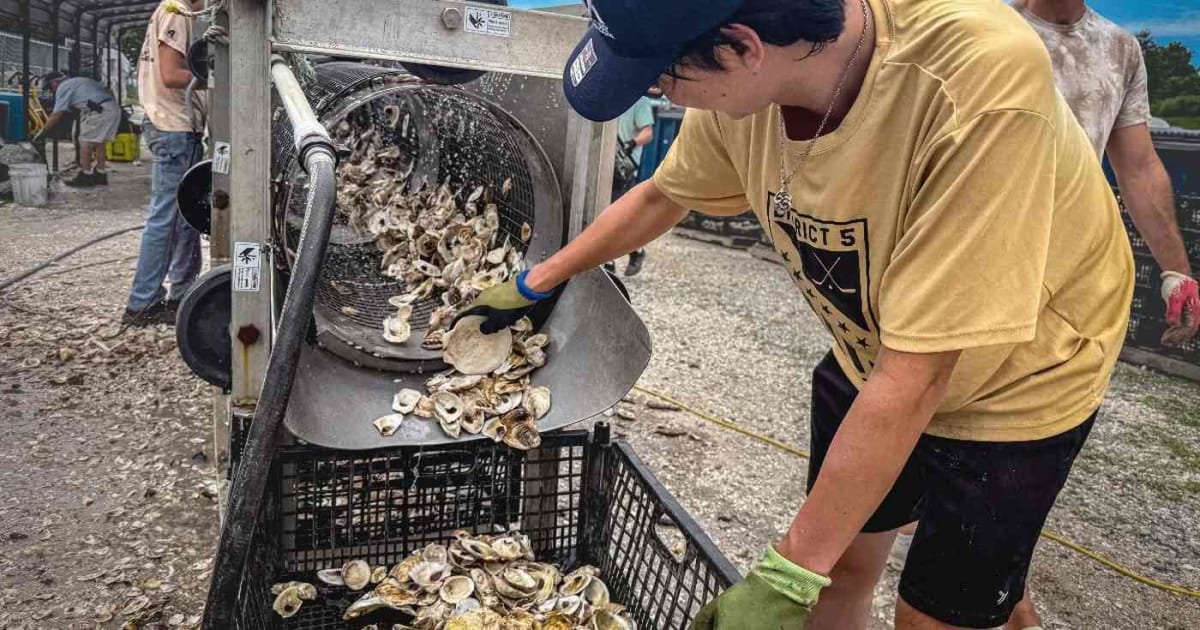
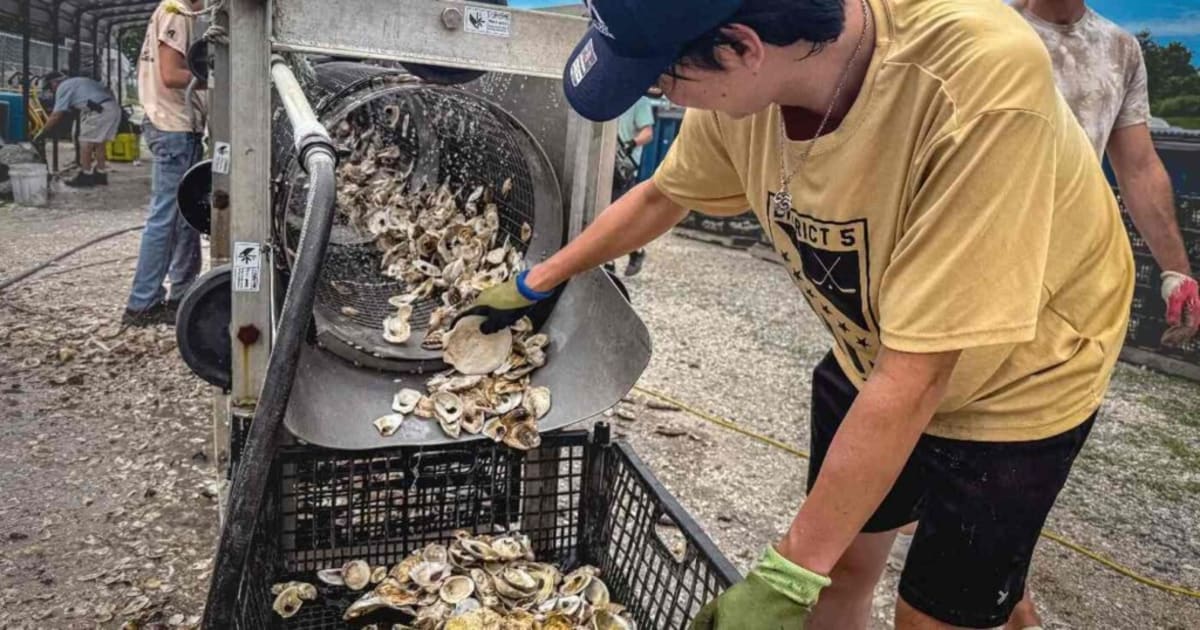
Here's how it works. Restaurants bag up their empty shells and send them to Governor's Island. The shells cure outdoors for months to kill bacteria and invasive species.
Once clean, workers move the shells to a hatchery where baby oyster larvae attach and grow. The facility can raise 10 million baby oysters at once, feeding them until they're ready for harbor life.
Volunteers then truck bags of shell-covered baby oysters to 19 reef sites around New York Harbor. There, the young oysters begin filtering water and building new habitat.
The project launched in 2008 with an ambitious goal: restore one billion oysters by 2035. They're already 20% there with 200 million live oysters now thriving in the harbor.
"Oysters are what we call a keystone species," explains Bela Altman, the project's volunteer coordinator. "If the oysters are thriving in an environment, all other biodiversity is thriving in that environment."
The Ripple Effect: Those 200 million oysters have already filtered tens of trillions of gallons of harbor water. Once the project hits its billion-oyster goal, the complete reef system would refresh the entire harbor's water volume every three days.
The benefits extend beyond cleaner water. Oyster reefs act as natural breakwaters that absorb wave energy during storms, reducing flood risk for coastal neighborhoods. As climate change brings more intense weather, these living barriers could protect the city from severe flooding.
The restored reefs also create habitat for fish, crabs, and countless other marine species that disappeared when New York's historic oyster beds vanished. Plus, more oysters mean lower prices at restaurants for anyone who loves them on the half shell.
What started as a small environmental experiment has become a model for coastal cities worldwide looking to rebuild lost ecosystems using their own waste streams.
More Images



Based on reporting by Good News Network
This story was written by BrightWire based on verified news reports.
Spread the positivity!
Share this good news with someone who needs it