NYC Startup Turns Air Into Gasoline Using Carbon Capture
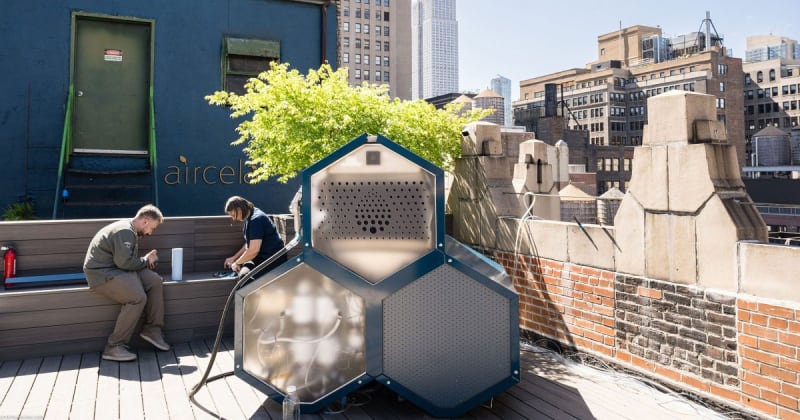
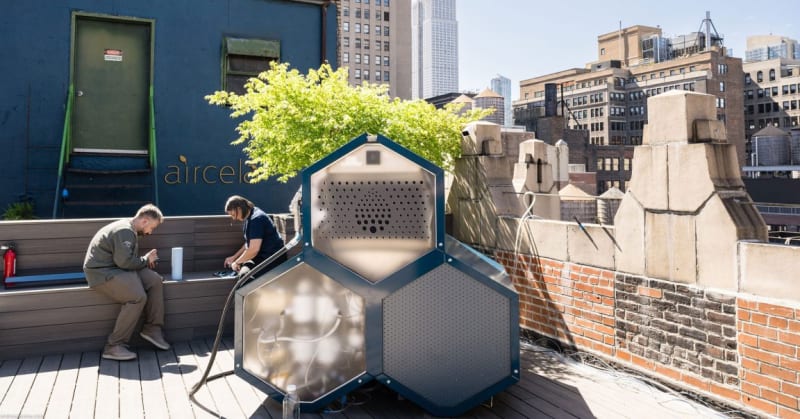
A New York company has created a fridge-sized machine that pulls carbon dioxide from the air and converts it into usable gasoline. While the technology works, it's expensive and produces just one gallon per day.
Imagine a world where your garage could make its own gasoline from thin air. A NYC startup called Aircela has turned that science fiction dream into reality, though the path to your driveway still has some bumps.
The company's refrigerator-sized contraption performs what sounds like magic: it sucks carbon dioxide straight from the atmosphere and transforms it into regular gasoline that works in any car. No engine modifications needed.
The three-step process is actually rooted in solid science. First, the machine captures CO2 from regular air using direct air capture technology. Then it splits water molecules to create hydrogen through electrolysis. Finally, it mixes that hydrogen with the captured carbon to create methanol, which gets converted into motor-grade gasoline.
The result is fossil-free fuel that could help fight climate change while keeping gas-powered vehicles running. It's treating the atmosphere like a giant battery, storing energy in a form we already know how to use.
But here's where reality sets in. The machine only produces one gallon per day, barely enough for a quick trip to the grocery store. It also guzzles electricity, requiring about twice as much energy input as the gasoline output provides.
Aircela says running the machine on solar panels would cost less than $1.50 per gallon in electricity alone. When units hit select US markets in late 2026, they'll likely cost between $15,000 and $20,000 each.
The Bright Side
Despite the limitations, this technology opens fascinating possibilities for specific situations. Remote farms could use excess solar power to create fuel for crop dusters. Off-grid homesteaders could power generators without fuel deliveries. Small airplane owners could produce aviation fuel where traditional gas stations don't exist.
The machine proves the concept works, even if widespread adoption isn't practical yet. Early technologies always start expensive and inefficient before engineers improve them. The first solar panels were prohibitively costly too, and now they power millions of homes.
For most people, electric vehicles charged directly with renewable power make more sense than this two-step conversion process. But for those rare situations where batteries won't work and fuel delivery is impossible, Aircela's invention offers a carbon-neutral solution that didn't exist before.
The technology demonstrates we're getting creative about fighting climate change while meeting real-world energy needs.
More Images
Based on reporting by Futurism
This story was written by BrightWire based on verified news reports.
Spread the positivity!
Share this good news with someone who needs it