NYC Workers Build Heat Safety Net Without Federal Help
With no federal heat protections in place, New York City workers and unions are creating their own life-saving system to survive dangerous summer temperatures. Their grassroots effort is keeping outdoor workers safe when government action stalled.
Dave Carew spent his pre-vacation hours doing something that might save lives. The UPS worker set up a booth outside his Bronx workplace to teach fellow delivery workers how to survive triple-digit heat.
He had good reason. Inside delivery truck cargo areas, temperatures can hit 150 degrees. When you're hunting for one envelope among 400 packages in that heat, every second counts.
Here's the uncomfortable truth: America has no federal rule protecting workers from extreme heat on the job. The Biden administration proposed one two years ago, but the process has slowed under the Trump administration. So workers and cities decided they couldn't wait.
Last year, UPS workers won air conditioning in new vehicles through their union contract. The Teamsters also launched aggressive heat safety campaigns with parking lot meetings, webinars, and safety toolkits. The result? Last summer was the first without widely reported heat-related deaths at UPS.
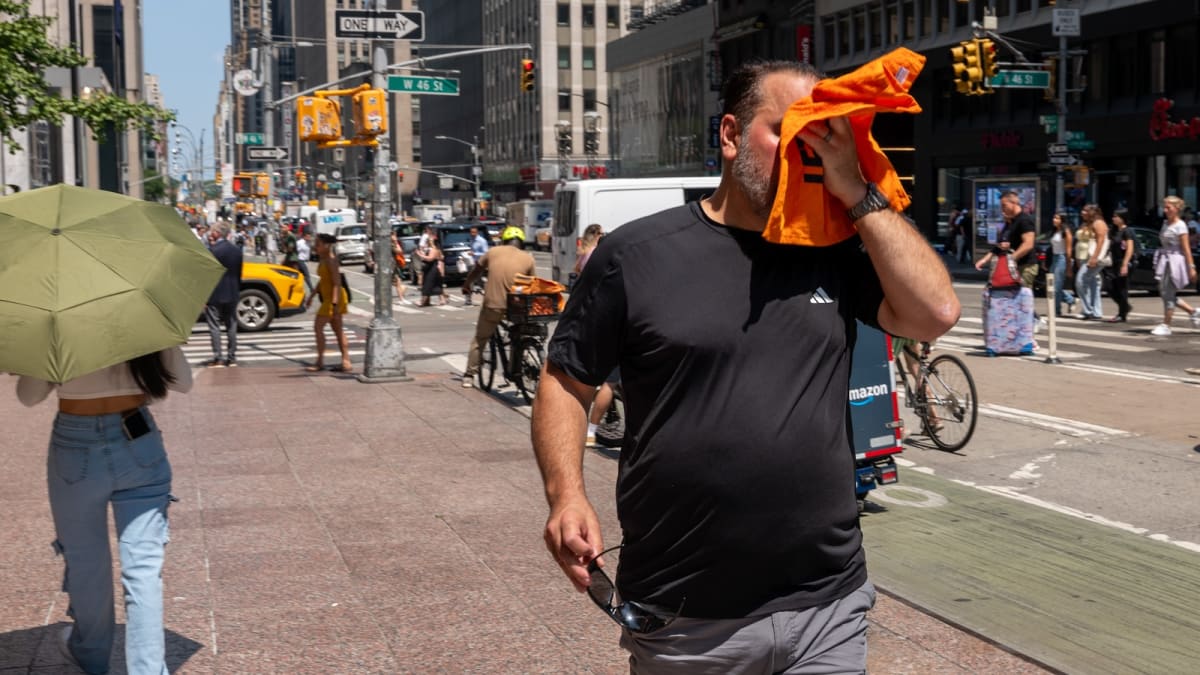
New York City isn't waiting for Washington either. Mayor Zohran Mamdani signed a first-of-its-kind executive order last month to protect outdoor workers from heat illness. Before the Fourth of July heat wave hit, the city deployed hundreds of cooling centers and outreach vans to check on vulnerable workers.
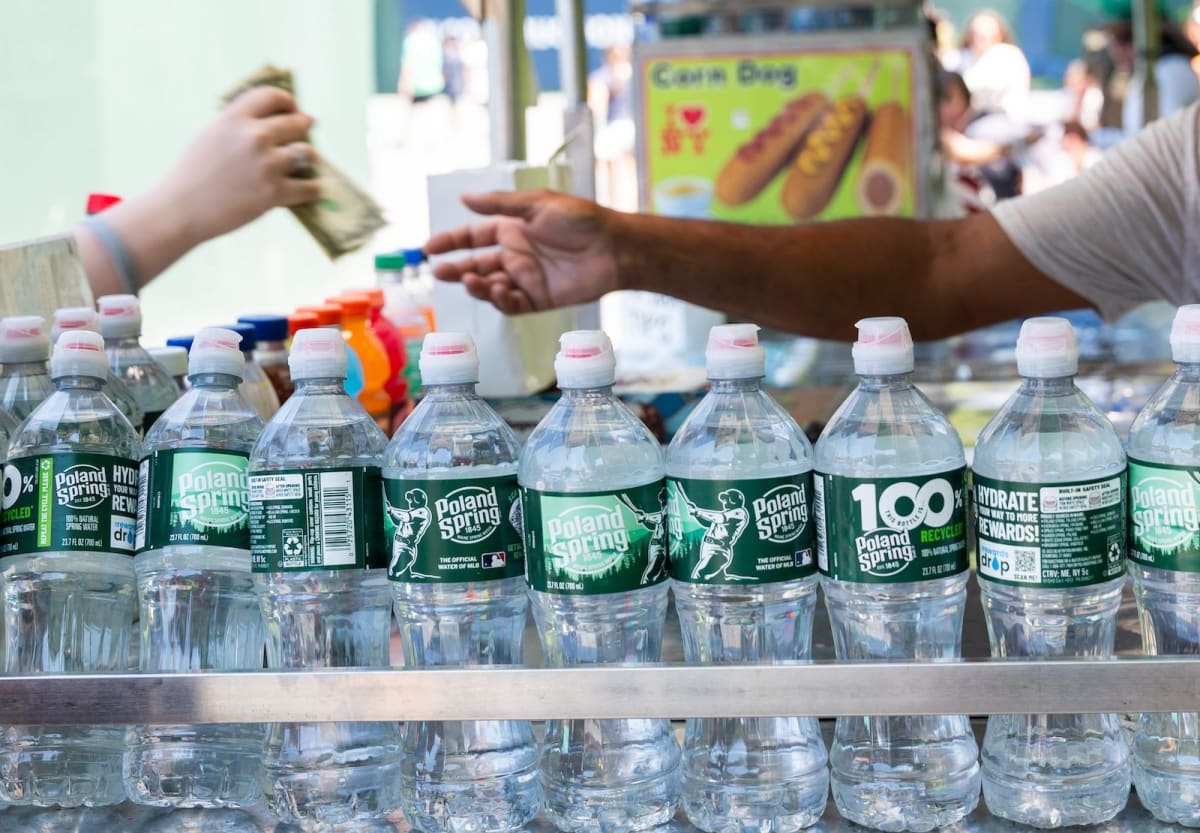
The Street Vendor Project, representing over 3,000 vendors, partnered with the city to create pop-up cooling stations. Program manager Andrew Conca-Cheng says vendors get excited when they see the QR code showing nearby cooling centers. They immediately pull out their phones to check the map.
The challenges run deeper than just providing water and shade. Street vendors can't leave their carts unattended without risking theft. App-based delivery workers lose money when they take breaks to cool down, and some face penalties for slowing their pace.
Language access matters too. The city's new executive order requires multilingual heat safety campaigns, crucial for workers who speak Spanish, Arabic, Bangla, French, and Mandarin. Many outdoor workers are immigrants more comfortable reading safety information in their native language.
The Ripple Effect
What's happening in New York shows what's possible when communities refuse to wait for federal action. Worker organizers like Carew are building safety networks person by person, shift by shift. Unions are negotiating protections into contracts and teaching members to enforce them. Cities are partnering with worker advocacy groups to reach the most vulnerable.
These grassroots efforts are saving lives right now. They're also creating a blueprint for other cities facing the same reality: summers are getting hotter, outdoor work isn't going away, and workers can't afford to wait years for federal regulations.
The results speak louder than policy debates. Zero widely reported heat deaths at UPS last summer. Thousands of street vendors with access to cooling centers. Delivery workers who know their rights to paid heat breaks.
When Washington moves slowly, communities are proving they can move fast enough to protect their own.
More Images
Based on reporting by Grist
This story was written by BrightWire based on verified news reports.
Spread the positivity!
Share this good news with someone who needs it