NYC's Brilliant Water Strategy: How Bluebelts Are Saving Homes and Wildlife
New York City's innovative bluebelt system transforms flood risks into ecological sanctuaries, protecting homes and wildlife through ingenious water management strategies. Mayor Adams' $68 million investment in Brooklyn signals a bold new approach to urban environmental resilience.
As climate change intensifies rainfall patterns, New York City is pioneering an innovative solution that protects both urban residents and delicate ecosystems. The city's groundbreaking 'bluebelt' system represents a revolutionary approach to managing stormwater, transforming potential flooding threats into sustainable environmental havens.
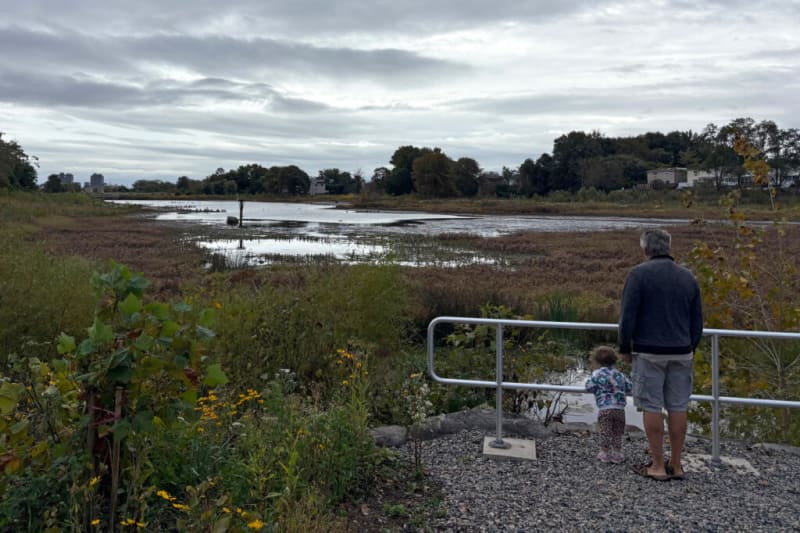
Staten Island has become the epicenter of this remarkable water management strategy, with nearly 100 bluebelts designed to slow floodwaters, capture pollutants, and protect vulnerable neighborhoods. These engineered wetlands and ponds act as natural barriers, preventing water accumulation that could devastate basement apartments and infrastructure.
When city engineers like Sangamithra Iyer, chief of bluebelts and urban stormwater planning, began developing these systems in the 1990s, they were thinking beyond traditional infrastructure. 'We wanted to figure out how to work with water and not against it,' Iyer explained, highlighting the project's ecological intelligence.
The Brooklyn bluebelt, announced by Mayor Adams with a $68 million investment, represents a significant expansion of this approach. On Staten Island, where space was more readily available, pioneers like Rob Brauman and David Peterson transformed previously unusable landscapes into thriving wetland ecosystems.
These bluebelts aren't just flood prevention mechanisms—they're living habitats. Native plants filter pollutants, while wildlife like ducks and American eels have found sanctuary in these carefully designed water management systems. When rain falls, water flows through strategically placed storm grates, passes through sediment pools, and is naturally filtered before re-entering river systems.
The ingenious design means that during extreme rainfall events, water is systematically slowed and cleaned. Where combined sewer systems once risked overwhelming and discharging untreated water into rivers, bluebelts now provide a natural, sustainable alternative that protects both human and ecological communities.
As New York City faces increasing rainfall and climate uncertainty, these bluebelts represent more than infrastructure—they're a blueprint for urban resilience. By working harmoniously with natural water cycles, the city is creating solutions that protect homes, restore ecosystems, and demonstrate how thoughtful environmental engineering can transform urban challenges into opportunities.
Based on reporting by Inside Climate News
This story was written by BrightWire based on verified news reports.
Spread the positivity! 🌟
Share this good news with someone who needs it
More Good News
 💡 Solutions
One Journalist's Bold Plan: Building a Community of Changemakers by 2026
 💡 Solutions
Zero-Waste Heroes: 3 Simple Steps to Transform Your Home's Trash Management
 💡 Solutions