NYU Cures Diseases by Mixing Engineers With Doctors
NYU is solving diseases faster by throwing out the old playbook: instead of keeping scientists in separate buildings, they're mixing engineers, doctors, and AI experts into teams focused on beating specific diseases. Early wins include a startup detecting airborne pathogens and "inverse vaccines" that could cure celiac disease and allergies.
What if the reason we haven't cured allergic asthma yet is because we've been organizing scientists all wrong?
NYU thinks it has the answer. At its new Institute for Engineering Health, researchers aren't grouped by what they studied in school. They're grouped by what disease they want to defeat.
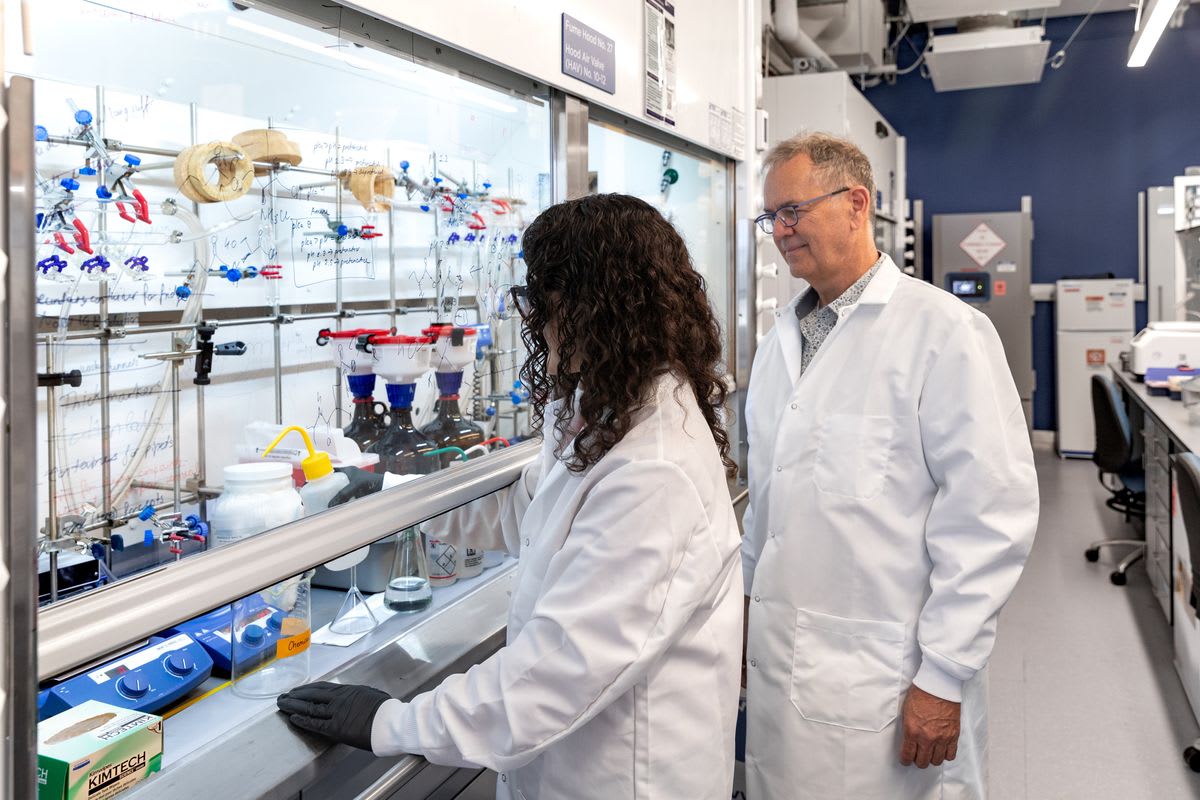
Instead of asking what electrical engineers can do for medicine, they're asking what it would take to cure allergic asthma. Then they grab whoever can help: immunologists, materials scientists, AI researchers, wireless engineers. The mix doesn't matter as long as the problem gets solved.
The approach is already working. A chemical engineer and an electrical engineer built a device that detects disease pathogens in the air. It's now a startup. A visually impaired doctor teamed up with mechanical engineers to create navigation technology for blind subway riders.
The biggest breakthrough might be Jeffrey Hubbell's "inverse vaccines." Instead of blocking bad immune responses one at a time, they reprogram the entire immune system to stop attacking itself. The technology could treat celiac disease, allergies, and other autoimmune conditions.
Hubbell says modern medicine has become really good at one thing: creating drugs that block specific molecules. But what if you could promote one good pathway that automatically shuts down several bad ones? That's what his team is trying to do with inflammation and cancer.
The problem is you can't do it if you only understand biology, or only understand materials science, or only understand immunology. You need all three.
So NYU is creating a new kind of scientist. Hubbell's engineering students publish in immunology journals and present at immunology conferences. Nobody knows they're engineers. That's exactly the point.
"To learn it all on your own is hopeless," Hubbell says, "but to learn it in a milieu becomes very efficient." NYU is building that environment by putting everyone in the same building.
The university acquired a large Manhattan building that will become its science and technology hub. The design forces encounters between people from different schools and disciplines who wouldn't normally meet.
The Ripple Effect
This isn't just about NYU. The model proves that some breakthroughs require people who speak different technical languages to develop a shared one. When a wireless communications engineer sits next to an immunologist every day, they start seeing problems neither could solve alone.
Other universities are watching. If NYU's disease-first approach keeps producing startups and treatments, the old model of keeping disciplines separated might finally fade away.
The Institute is expanding to include AI researchers, data scientists, materials scientists, and quantum engineers, all working side by side. Hubbell calls them "collisions" between disciplines, and he believes those collisions are where the next generation of cures will come from.
The question isn't whether engineers can help doctors anymore—it's how fast we can train scientists who are genuinely both.
More Images
Based on reporting by IEEE Spectrum
This story was written by BrightWire based on verified news reports.
Spread the positivity!
Share this good news with someone who needs it