NZ Space Magnet Survives Power Failure on ISS
A New Zealand superconductor experiment just proved it can bounce back from power failures in space, solving one of the biggest problems holding back advanced spacecraft propulsion. The breakthrough brings electric-powered missions to Mars one step closer.
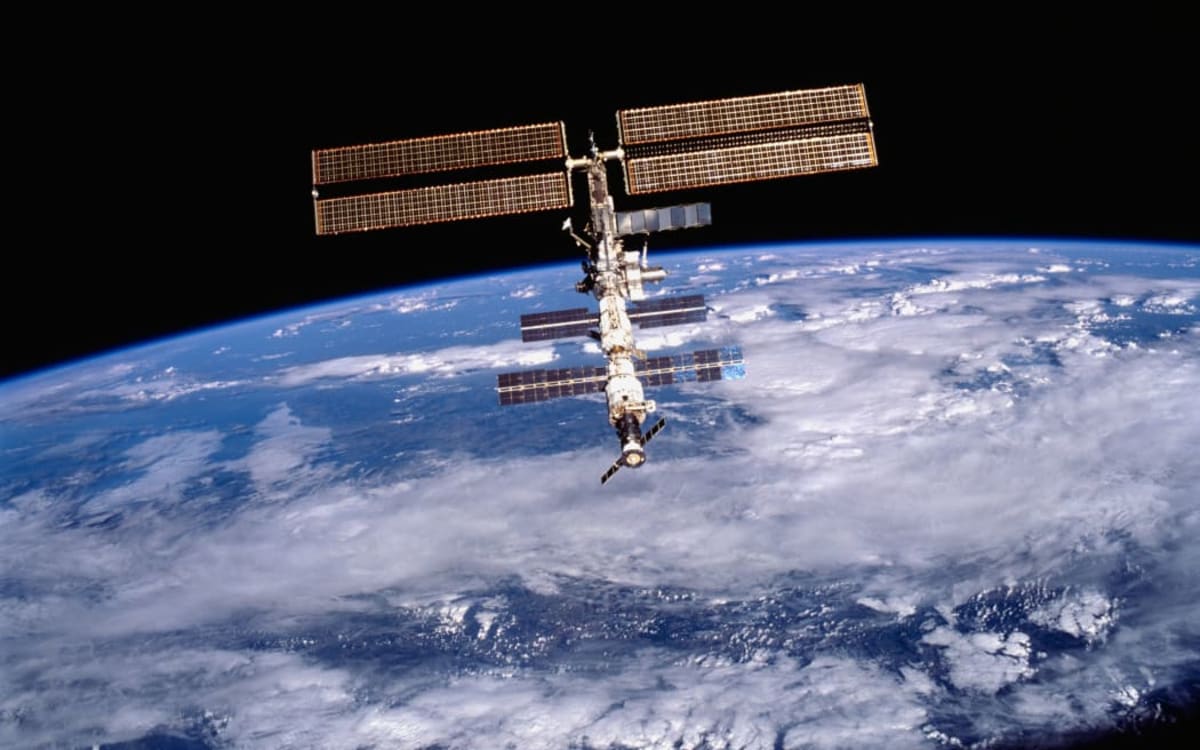
A suitcase-sized device built in New Zealand has just overcome one of the biggest hurdles facing the future of space travel, and it did it 250 miles above Earth.
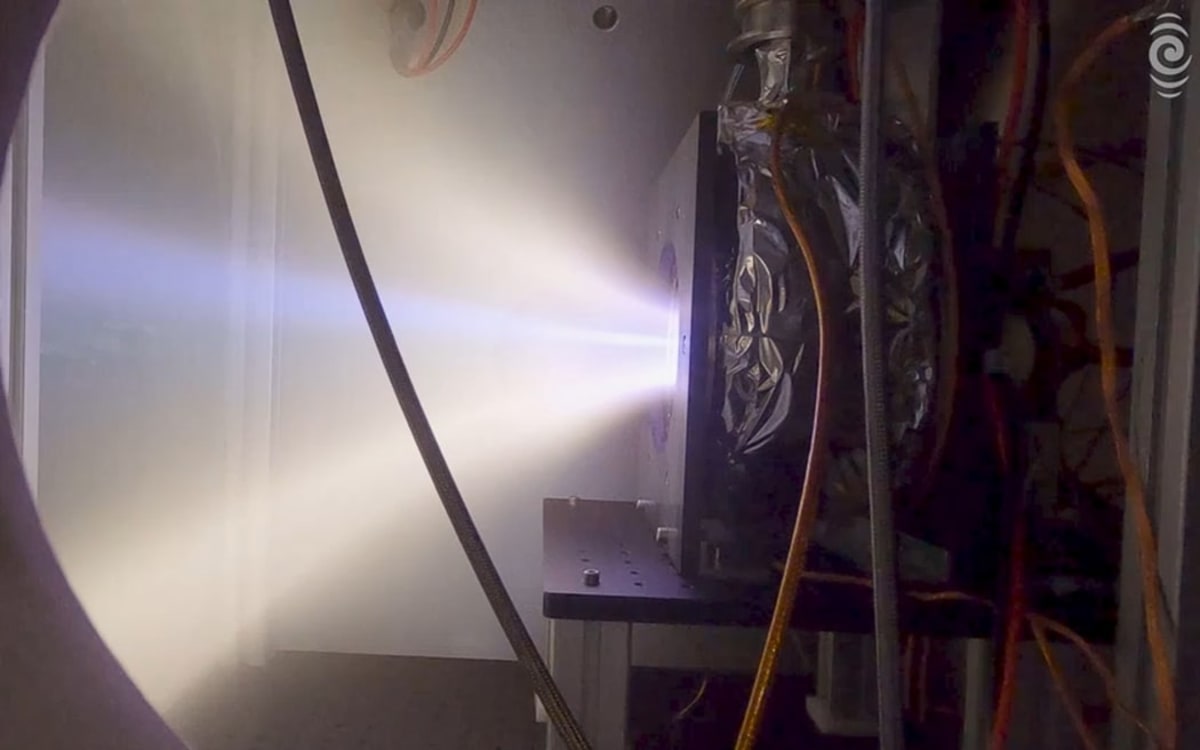
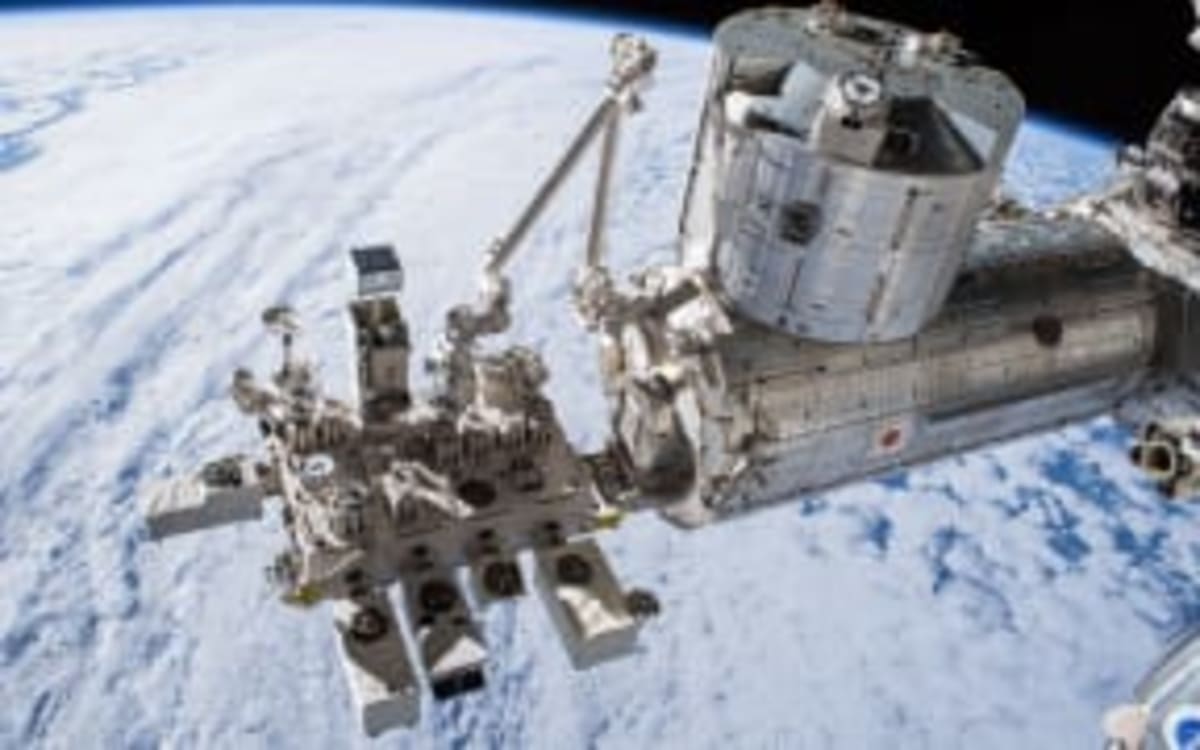
Victoria University's Hēki magnet system spent six months aboard the International Space Station testing superconducting technology that could one day propel spacecraft on missions to Mars and beyond. The team didn't just meet their research goals. They smashed through them.
The breakthrough moment came when Hēki survived a power failure, something that typically destroys superconductor systems. These ultra-powerful magnets need extreme cold to work, and losing power usually means game over. But Hēki kept going.
"This demonstration is key to widespread acceptance of this technology in space where reliability and robustness are paramount," said chief scientist Professor Randy Pollock. His team worked from Victoria's Paihau-Robinson Research Institute, which secured one of the highly competitive experiment slots on the space station's exterior.
The technology uses superconductor magnets for propulsion instead of traditional rocket fuel. Think of it as trading a gas-guzzling engine for an electric one, except for spaceships traveling millions of miles through the solar system.
Astronauts have now moved Hēki into the airlock for its journey home to Houston, then Wellington. The real test comes next: checking whether six months in space degraded the system. Early signs look promising.
The Ripple Effect
This success opens doors for the team's next project, the Kōkako thruster. That system will combine plasma technology with these proven superconducting magnets to create a new kind of electric propulsion for long-distance space missions.
Space agencies and private companies have been watching superconductor propulsion for years, but reliability concerns kept it grounded. Power failures in the harsh environment of space seemed like an unsolvable problem. Until now.
The technology could make deep space missions more efficient, sustainable, and affordable. Instead of carrying tons of chemical fuel, future spacecraft could use these compact magnetic systems to reach destinations that currently take years with conventional rockets.
For a small team working from New Zealand, proving their technology can survive real space conditions represents years of research paying off. Professor Pollock called it bittersweet, proud of the mission's success but sad to see it end.
The next spacecraft heading to Mars might just be powered by technology tested in a Wellington lab and proven on the International Space Station.
More Images
Based on reporting by Google News - New Zealand Success
This story was written by BrightWire based on verified news reports.
Spread the positivity!
Share this good news with someone who needs it