NZ's Revolutionary Cancer Treatment Gives Hope to Patients
A groundbreaking cancer therapy developed in Wellington is putting dying patients into long-term remission and could be available publicly by 2027. The treatment offers hope to families who previously had to raise millions for overseas care.
When Janelle Brunton-Rennie's husband Kurt was given months to live, New Zealand had no treatment that could save him. Their daughter Sage was just four months old.
Kurt, a healthy 40-year-old fitness enthusiast, discovered a lump that grew from eggplant-sized to football-sized in two weeks. The lymphoma cancer responded briefly to chemotherapy, then roared back with a vengeance.
Doctors handed Janelle hospice pamphlets. She refused to accept them.
Instead, the couple scrambled to raise $1.5 million for experimental CAR T-cell therapy in Boston. They prepared to sell their home and launched a crowdfunding campaign that raised over $200,000 from friends, family, and strangers moved by their story.
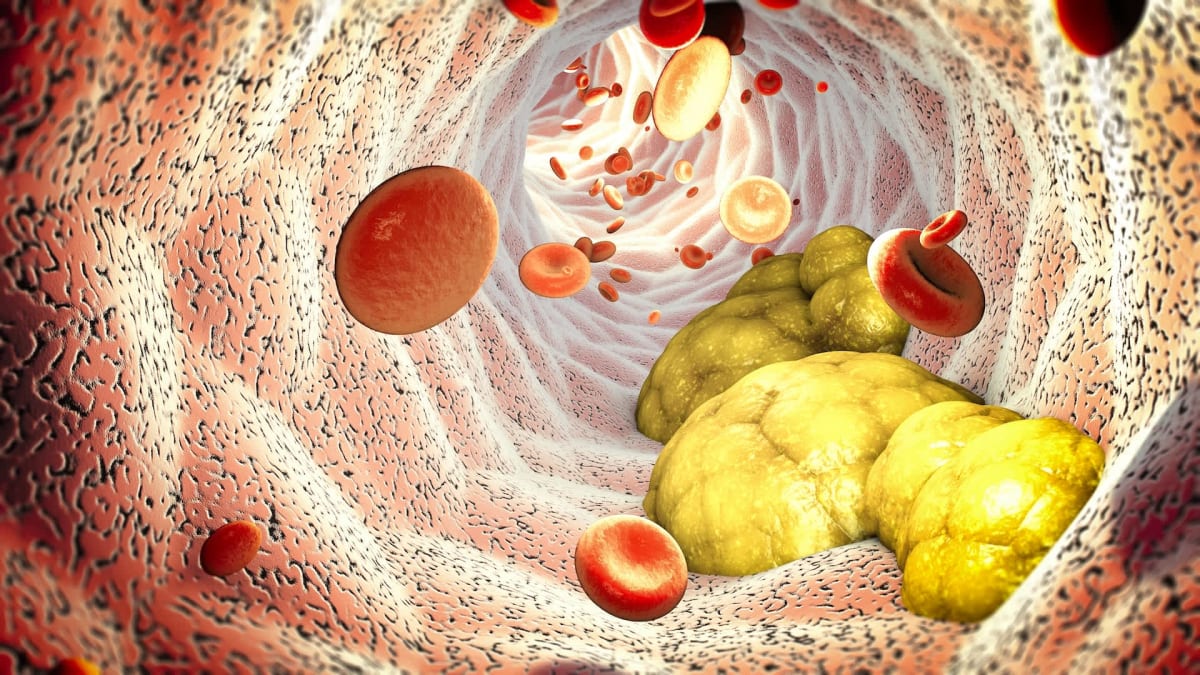
CAR T-cell therapy works by removing a patient's immune cells, genetically modifying them to hunt cancer, then infusing them back into the bloodstream. In 2018, it was cutting-edge and only available overseas.
While Kurt's story ended tragically, his fight helped spotlight a critical gap in New Zealand's healthcare system. Now, that gap is closing.
The Bright Side
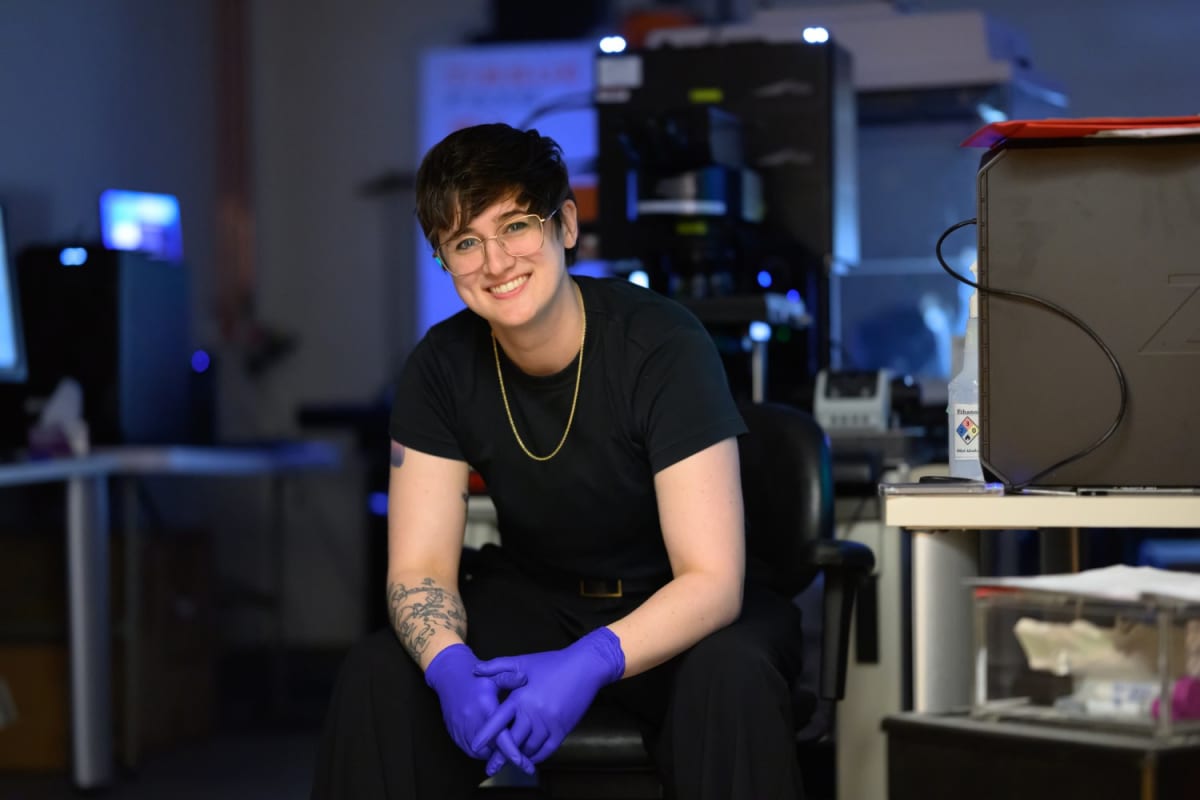
A revolutionary cancer treatment developed right here in Wellington is changing everything. Patients with only months to live are going into long-term remission thanks to locally developed cell therapy.
The breakthrough could be available through the public health system by 2027. That means future families facing the same nightmare as Janelle won't need to raise millions or leave their babies behind to access life-saving care.
The therapy represents years of dedicated research and clinical trials. Four out of five patients in early trials experienced complete remission, transforming what was once a death sentence into a fighting chance.
For families like Janelle's, who endured the impossible choice between financial ruin and watching a loved one die, this homegrown solution represents more than medical progress. It's a promise that no parent should have to choose between their child and their spouse.
New Zealand researchers turned what seemed impossible into reality, and by 2027, this life-saving treatment could be available to everyone who needs it.
More Images


Based on reporting by Stuff NZ
This story was written by BrightWire based on verified news reports.
Spread the positivity!
Share this good news with someone who needs it