Oak Ridge Unlocks Neptunium Secrets for Space Exploration
Scientists at Oak Ridge National Laboratory are cracking the code on neptunium chemistry, paving the way for more efficient production of the plutonium that powers our spacecraft exploring the cosmos. Their breakthrough helps secure America's ability to fuel the next generation of deep space missions.
Every spacecraft venturing into the dark reaches of our solar system needs a reliable power source, and scientists just made a major leap forward in ensuring we can build more of them.
Researchers at Oak Ridge National Laboratory in Tennessee have unlocked important secrets about neptunium, a radioactive element that's the key ingredient for making plutonium-238. That plutonium powers spacecraft like NASA's Perseverance Rover, converting radioactive heat into electricity for years without needing sunlight or batteries that would fail in the harsh conditions of deep space.
The challenge has always been supply. Every time scientists want to send instruments into space, they need plutonium batteries called radioisotope thermoelectric generators. Demand consistently outpaces what we can produce, making every efficiency gain critical.
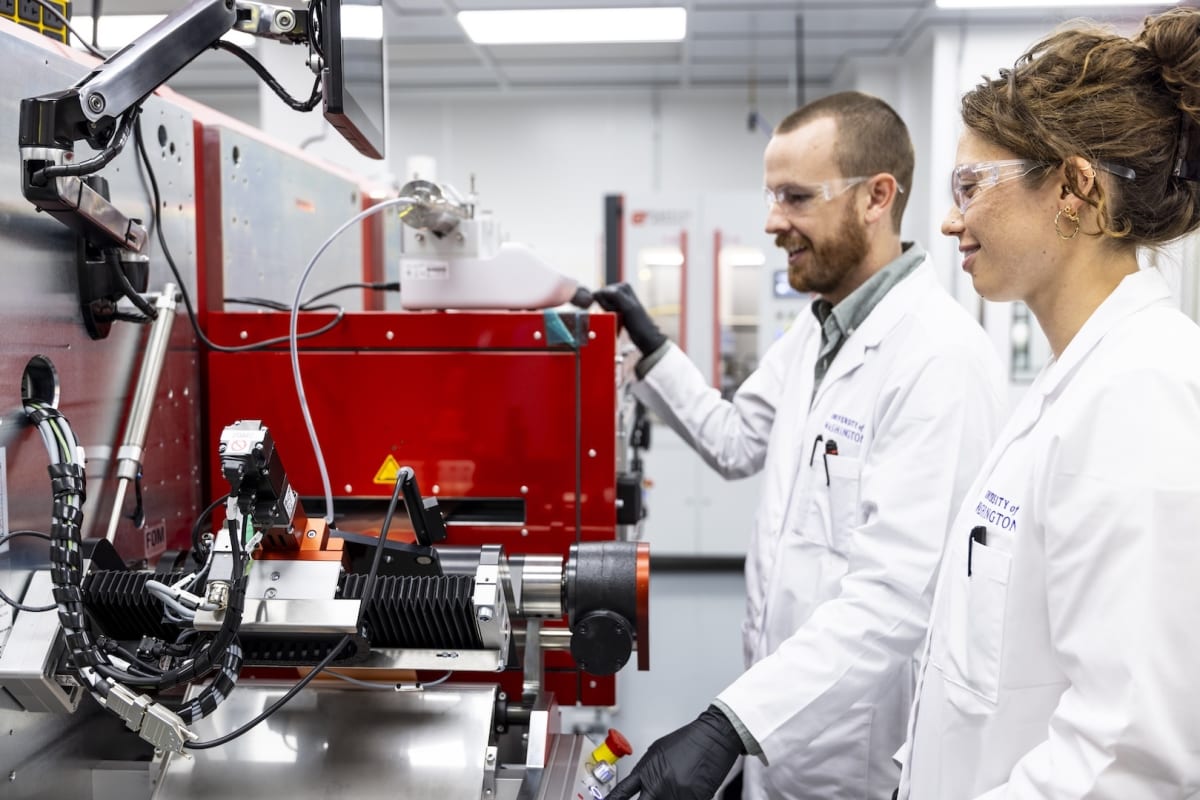
Radiochemist Kathryn Lawson and her team tackled this problem by studying how neptunium breaks down under heat, ranging from 302 to 1,112 degrees Fahrenheit. Using advanced techniques like Raman spectroscopy, which shoots lasers at samples to examine their molecular structure, they discovered the first detailed chemical fingerprint of a key neptunium oxide.
These findings give scientists a clearer roadmap for converting neptunium into plutonium-238 more effectively. Better understanding means better production, which means more missions exploring Jupiter's moons, Saturn's rings, and beyond.
The research team includes early-career scientists who are building on decades of Oak Ridge expertise. Tyler Spano, who worked alongside Lawson, explained that watching the chemical bonds change as they heated the material revealed entirely new information about how the process works.
Why This Inspires
This breakthrough represents more than just better battery production. It shows how investing in fundamental science creates ripple effects that expand humanity's reach into the universe.
By securing a domestic supply chain for mission-critical materials, Oak Ridge is helping ensure that America can continue leading space exploration for decades to come. Every gram of plutonium-238 produced more efficiently means another instrument that can study distant worlds, search for signs of life, or expand our understanding of the cosmos.
The collaboration also highlights something wonderful about scientific progress: young researchers building on established knowledge, former classmates reuniting to tackle big challenges, and patient work yielding results that benefit everyone who dreams of exploring beyond Earth.
The next Mars rover, the next mission to the outer planets, the next breakthrough discovery in deep space might all depend on the neptunium chemistry being perfected right now in Tennessee.
More Images




Based on reporting by Phys.org - Technology
This story was written by BrightWire based on verified news reports.
Spread the positivity!
Share this good news with someone who needs it