Oaxaca's Guelaguetza Festival Celebrates First Afro-Mexican Goddess
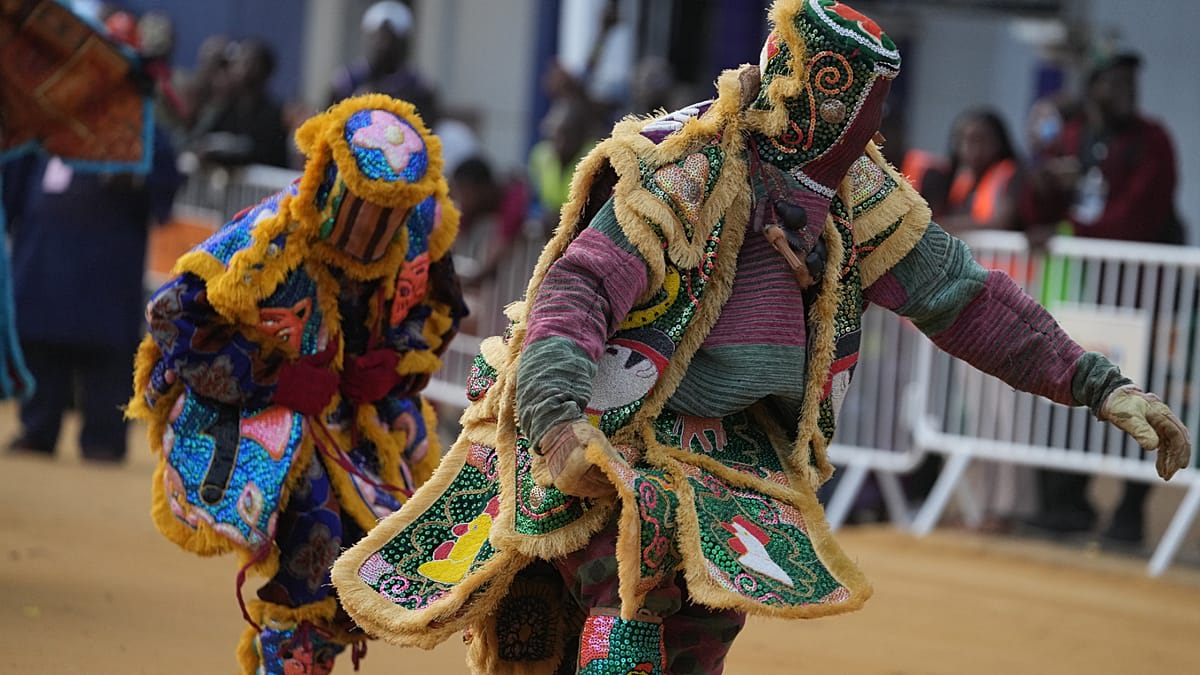
Over 11,000 people packed an open-air amphitheater to celebrate the 94th annual Guelaguetza festival, where Enid Azucena Torres Agustiniano made history as the first Afro-Mexican woman to serve as the festival's goddess. Latin America's largest ethnic celebration kicked off with 13 delegations sharing dances, music, and traditions from Oaxaca's diverse Indigenous and Afro-Mexican communities.
More than 11,000 people filled an outdoor amphitheater in Oaxaca, Mexico, to witness history as Latin America's largest ethnic celebration kicked off with a groundbreaking first.
Enid Azucena Torres Agustiniano became the first Afro-Mexican woman chosen as Goddess Centéotl, the official ambassador for the 94th annual Guelaguetza festival. A nursing student, cyclist, and activist from Santiago Pinotepa Nacional, Torres brought a powerful message to the opening ceremony.
"Being Afro-Mexican is not something to hide," Torres told the cheering crowd. "It is something to honor and live with dignity."
The festivities took place at the Guelaguetza Auditorium, a specially built amphitheater on Cerro del Fortín overlooking Oaxaca's historic center. The opening Lunes del Cerro (Monday on the Hill) featured 13 delegations from across the state, showcasing the traditions of Oaxaca's 16 Indigenous peoples and Afro-Mexican communities.
Communities from Ciudad Ixtepec, San Juan Bautista Tuxtepec, and Santiago Pinotepa Nacional took the stage with vibrant performances. The audience sang along to "Dios Nunca Muere" (God Never Dies) and gave standing ovations to the closing dances.
The festival's roots stretch back centuries to a Zapotec ritual called Daninayaaloani, meaning Hill of the Beautiful View. People gathered for eight days to honor Centéotl, the corn goddess, sharing offerings, food, and dances in a celebration of community.
In the Zapotec language, "Guelaguetza" means reciprocal offerings, capturing the spirit of giving and sharing that continues today. This tradition of mutual support remains at the heart of the month-long celebration.
The Ripple Effect
This year's festival includes over 140 events throughout July, from parades and fairs to gastronomic and artisanal exhibitions. Tourism officials expect about 149,000 visitors and an economic impact exceeding $38.4 million for the region.
The choice of Torres as goddess reflects growing recognition of Afro-Mexican communities, particularly in the Costa Chica corridor of Oaxaca and Guerrero where Afro-Mexican populations are most concentrated. Her historic appointment sends a message of inclusion to communities that have long been overlooked.
Federal Tourism Minister Josefina Rodríguez Zamora summed up the festival's significance: "Oaxaca is a melting pot of our country's cultures. Here, our history, our traditions and the pride of our people come alive."
A second Monday on the Hill performance will take place on July 27, giving even more people a chance to experience the joy of shared traditions.
Based on reporting by Mexico News Daily
This story was written by BrightWire based on verified news reports.
Spread the positivity!
Share this good news with someone who needs it