Ocean Cleanup Claims It Can Save Oceans for $100M a Year
A young engineer who saw more plastic than fish while diving as a teenager has now removed 50,000 tonnes of trash from waterways and says he can clean the world's oceans in just ten years. His solution targets the 1% of rivers responsible for 80% of ocean plastic.
📺 Watch the full story above
When Boyan Slat went diving in Greece as a teenager, he saw more plastic bags than fish. That heartbreaking moment sparked a mission that has grown into one of the world's most ambitious environmental cleanups.
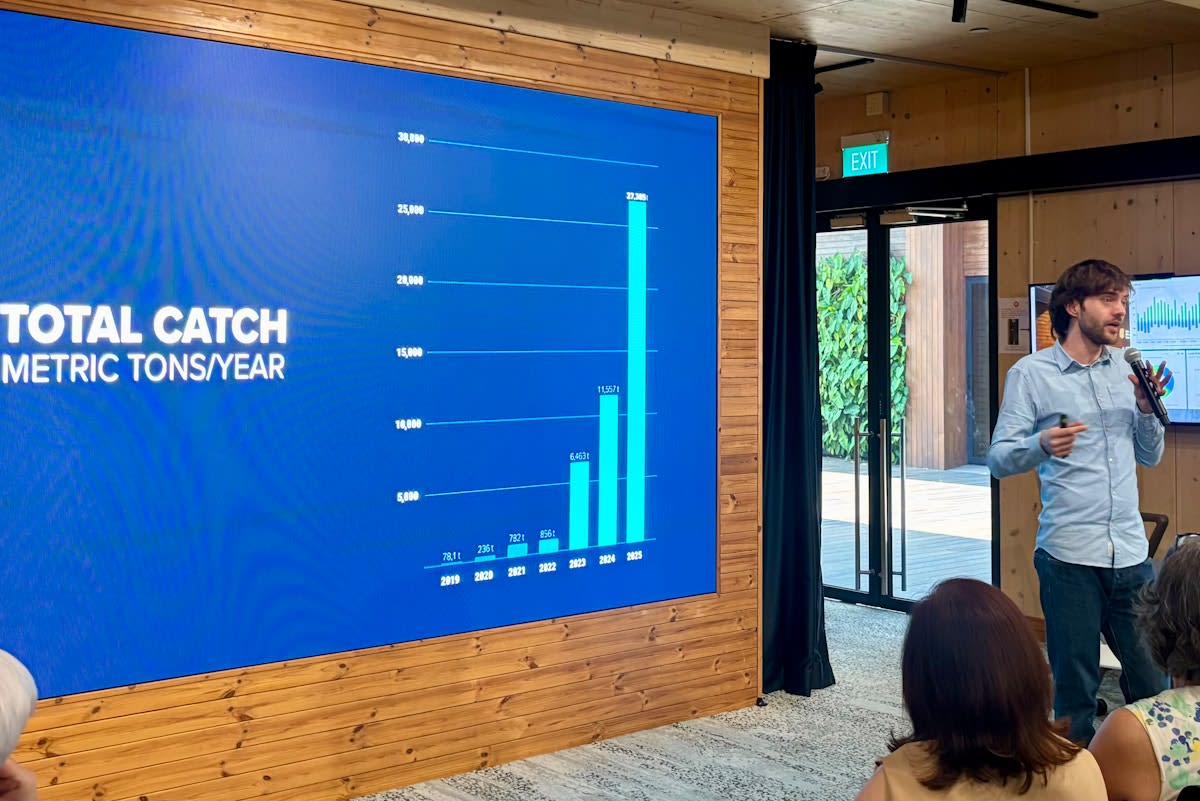
Now 31, Slat's organization The Ocean Cleanup has pulled more than 50,000 tonnes of plastic from rivers and waterways since 2012. His latest claim is bold: he can clean the ocean within a decade for about $100 million a year.
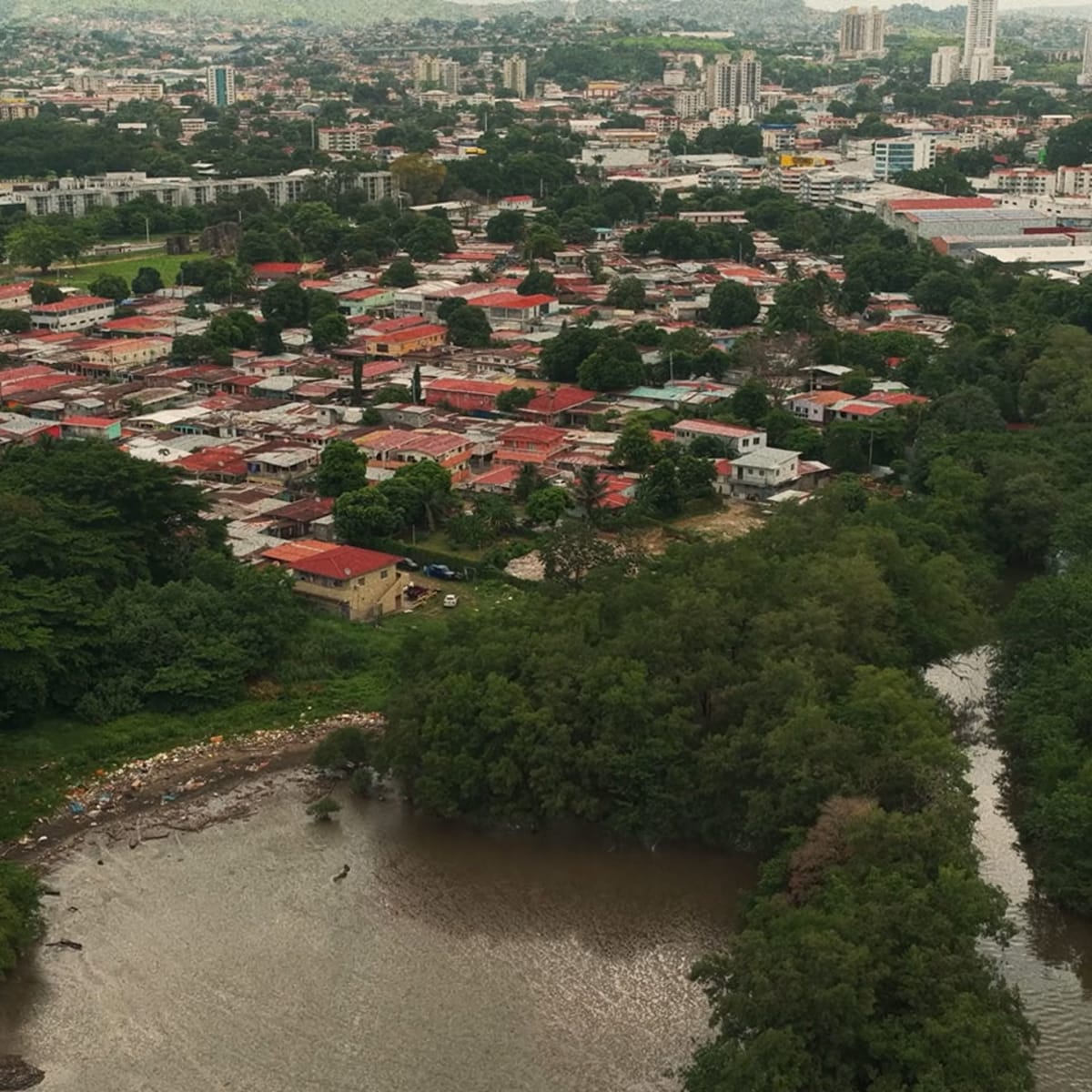
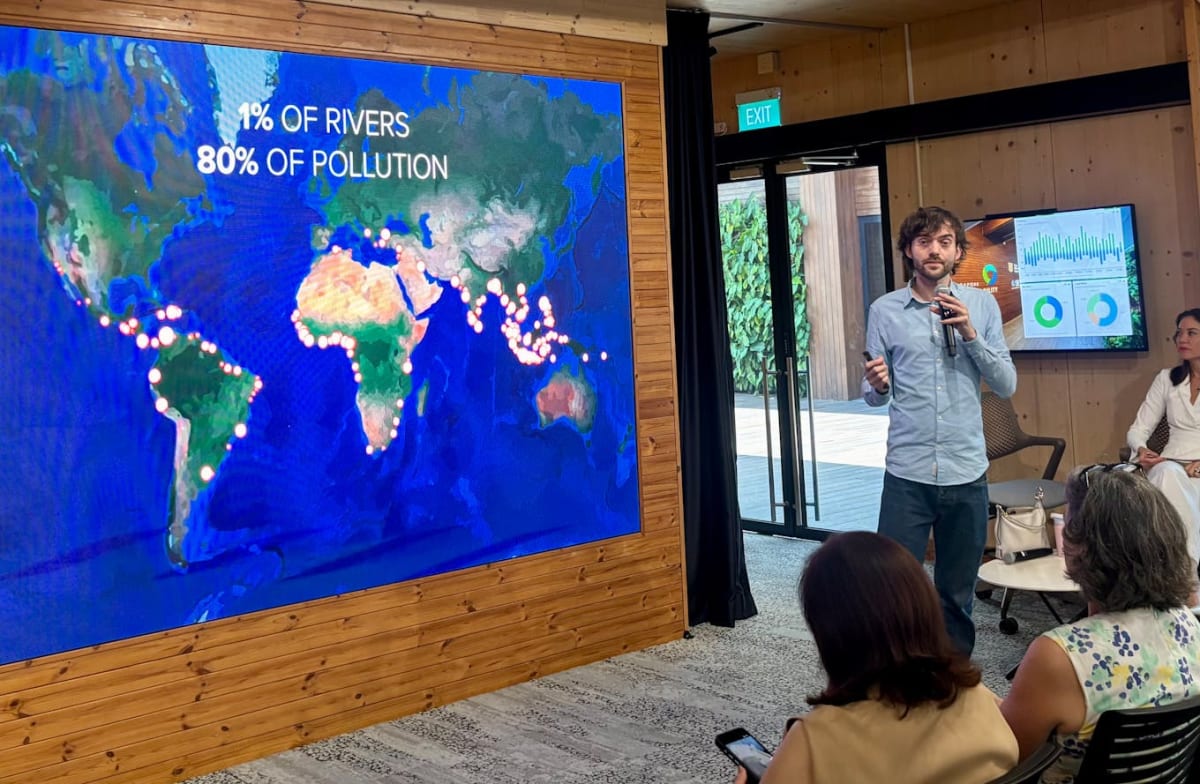
The secret lies in targeting rivers before trash reaches the sea. Using artificial intelligence cameras mounted on bridges, Slat's team discovered that just 1% of the world's rivers account for roughly 80% of ocean plastic pollution.
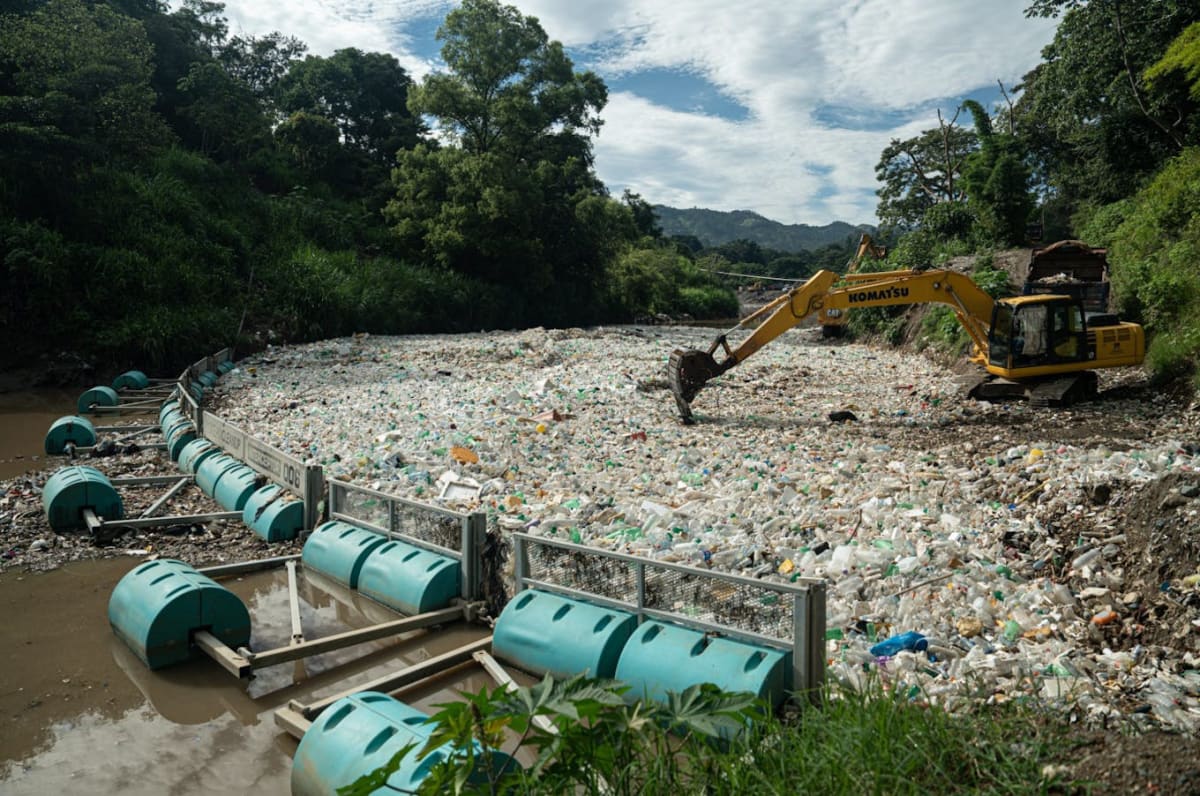
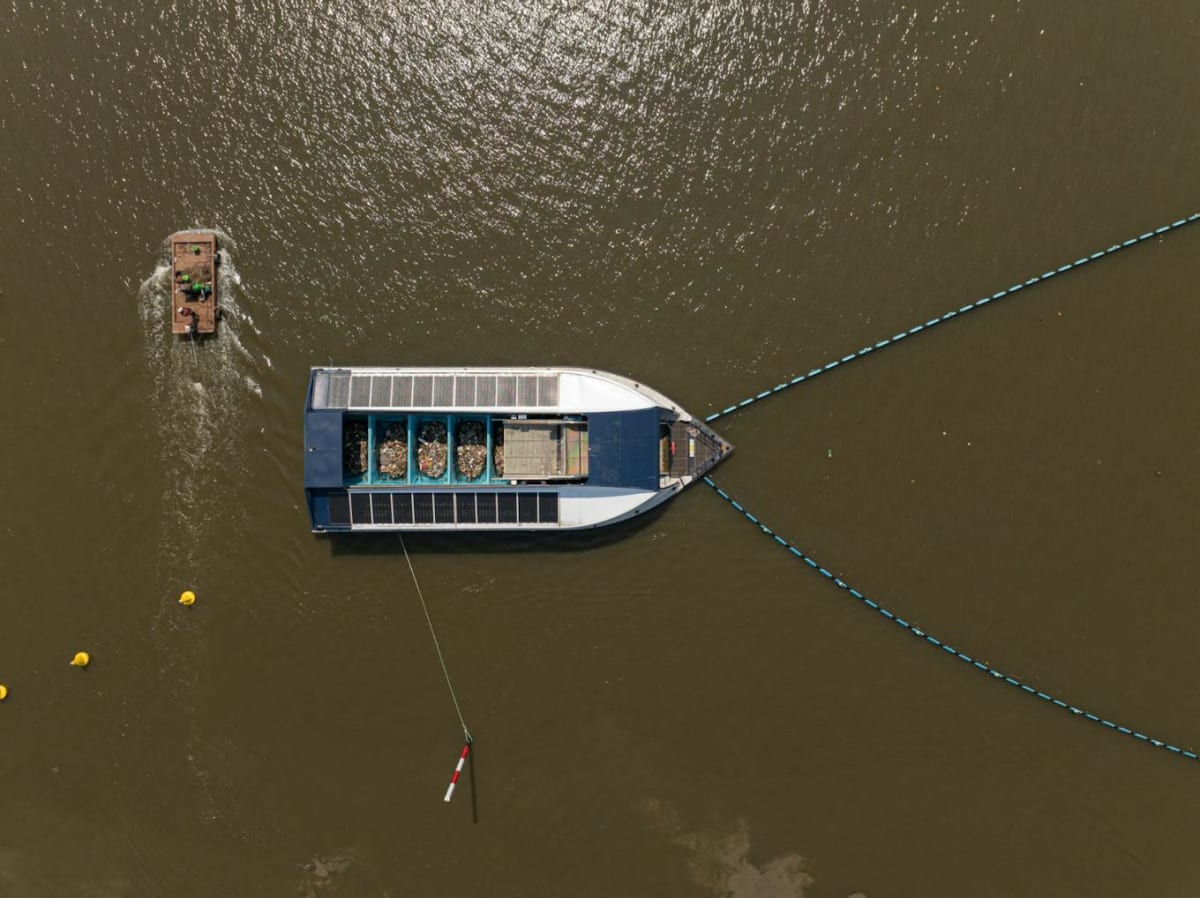
That insight drove the creation of solar-powered "interceptors" that catch waste in rivers before it spills into the ocean. The systems are now active in more than 20 rivers across 10 countries, backed by $121 million from The Audacious Project, a TED Talks funding initiative.
"We're now cleaning an area of ocean the size of a football field every five seconds," Slat told Eco-Business. "If you work on rivers, you know that every piece of plastic we take out would've gone into the ocean."
The early years were rough. In 2019, his trash collector in the Great Pacific Garbage patch broke in two, drawing headlines like "Experts warned this floating garbage collector wouldn't work." For eight years, the team collected no plastic while refining their approach.
But the interceptor model now works reliably after trials across many different rivers. The organization aims to expand to 30 cities by 2030 through its flagship program.
Slat acknowledges his approach doesn't address root causes like rising plastic production, which is projected to double by 2040. He wishes his interceptors weren't necessary, but argues that fixing upstream systems will take decades.
"I don't see any other way in which we could have a material impact on the inflow in a matter of years," he said. "If anyone has a better solution, I'd love to hear it."
The Bright Side
What makes this approach so powerful is the math. While global waste collection costs about half a trillion dollars annually and needs to triple or quadruple, Slat's river interceptors cost a fraction of that. For roughly $100 million a year, including building and operating the systems, ocean cleanup becomes achievable.
The organization estimates that deploying systems across the most polluting rivers could reduce global plastic flows by up to a third by 2030. That's not a complete solution, but it's real progress happening right now while longer-term reforms take shape.
Even Slat's understanding of the problem has evolved. While older estimates suggested 8 million tonnes of plastic enter oceans yearly, his team's latest research points to hundreds of thousands to 1.5 million tonnes. But the impact remains enormous: one tonne of plastic can cause tens of thousands of dollars in damage each year.
The question isn't whether we need systemic change or quick fixes. We need both, and for the first time, both seem within reach.
More Images

Based on reporting by Google News - Ocean Cleanup
This story was written by BrightWire based on verified news reports.
Spread the positivity!
Share this good news with someone who needs it