Ocean Cleanup Deploys First Barrier in Manila Bay
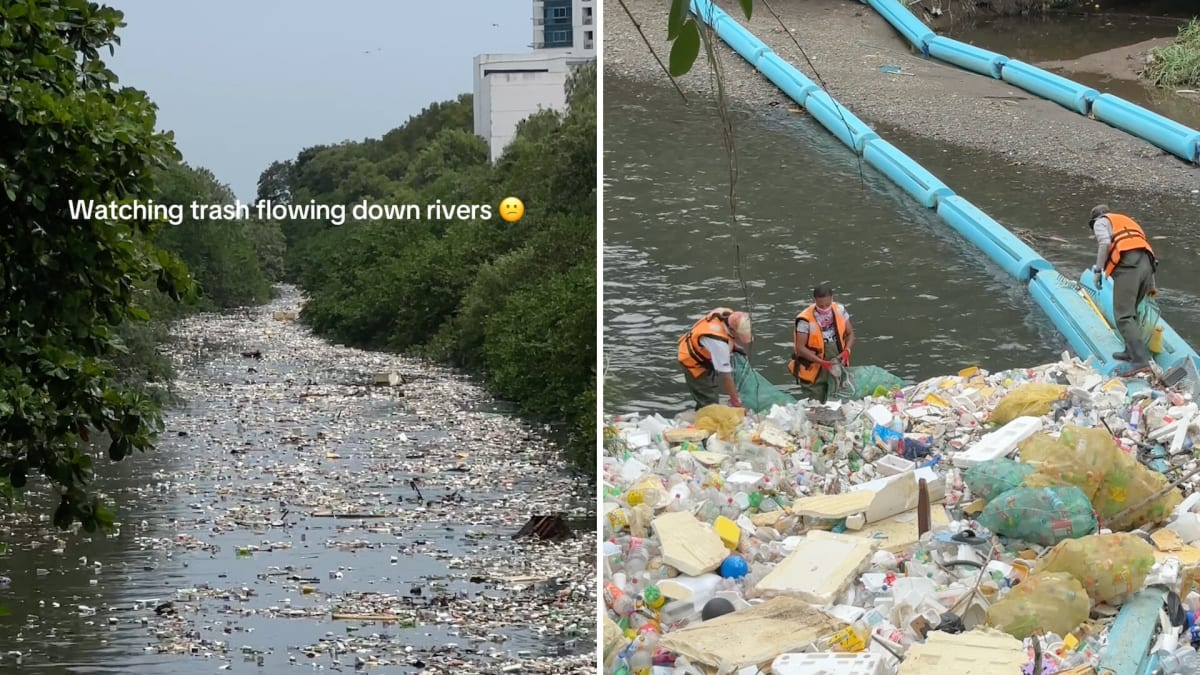
A floating barrier will soon capture up to 540 tonnes of plastic waste annually from a Manila river before it reaches the ocean. The June 2026 deployment marks the first step in a bold plan to cut ocean-bound plastic by one-third this decade.
The Ocean Cleanup is bringing its plastic-catching technology to the Philippines, installing its first Interceptor barrier in the Meycauayan River by June 2026.
The floating barrier will replace an existing trash trap and intercept between 370 and 540 tonnes of plastic waste each year before it flows into Manila Bay. That's plastic that would have otherwise joined the estimated 20,000 to 33,000 tonnes entering Philippine waters annually.
The deployment is part of the organization's 30 Cities Program, which targets the world's most polluting rivers. Research shows that just 1,000 of Earth's three million rivers are responsible for 80% of ocean plastic pollution.
Founded by Boyan Slat in 2013, The Ocean Cleanup has already collected over 50 million kilograms of trash from aquatic ecosystems worldwide. The nonprofit now employs 200 people across 10 countries, developing technology to stop plastic at its source.
Meycauayan Mayor Henry R. Villarica welcomed the partnership as a way to strengthen existing cleanup efforts. "This collaboration strengthens our capacity to accelerate meaningful, lasting change," he said. "We are fully committed to doing everything in our power to rehabilitate our river for the health, dignity, and future of our community."
The Manila Bay region alone sees between 3,500 and 4,400 tonnes of plastic waste flow into its waters each year, according to The Ocean Cleanup's Smart River Survey. The interceptor barrier works by catching floating debris before it reaches the ocean, where it becomes nearly impossible to remove.
The Ripple Effect
This first deployment in Meycauayan opens the door for expanded operations throughout the Manila Bay region. The Ocean Cleanup is partnering with the City Environment and Natural Resources Office, local government units, and organizations like Energies PH to scale the solution across multiple rivers.
The project goes beyond just installing technology. The partnerships aim to drive awareness and research initiatives that address plastic pollution at multiple levels, from intercepting waste to preventing it from entering rivers in the first place.
The barrier represents tangible progress in a region facing a massive plastic challenge, turning the tide one river at a time.
Based on reporting by Google News - Ocean Cleanup
This story was written by BrightWire based on verified news reports.
Spread the positivity!
Share this good news with someone who needs it