Ocean Cleanup Pulls 25M Kilos of Plastic From Seas in 2025
The Ocean Cleanup just had its biggest year yet, removing over 25 million kilograms of plastic from the world's waters in 2025. The Dutch nonprofit is now shifting strategy to stop pollution at its source before it ever reaches the ocean.
Picture 2,000 garbage trucks filled to the brim with plastic waste. That's exactly how much trash The Ocean Cleanup pulled from our oceans in 2025 alone.
The Dutch nonprofit just wrapped its most successful year on record, removing over 25 million kilograms of plastic from global waters. That brings their total haul since launching to more than 45 million kilos, roughly 99 million pounds of waste that's no longer drifting through marine ecosystems.
But the team isn't just celebrating. They're changing their game plan entirely.
Here's why: every year, 11 billion kilograms of new plastic flows into the ocean. For every ton The Ocean Cleanup removes, hundreds more are entering. No matter how fast they work, they can't keep up with the flood.
So they decided to turn off the tap at its source.
A groundbreaking study published in Science Advances revealed something stunning. Just 1,000 rivers, representing only one percent of the world's waterways, are responsible for nearly 80 percent of ocean plastic pollution.
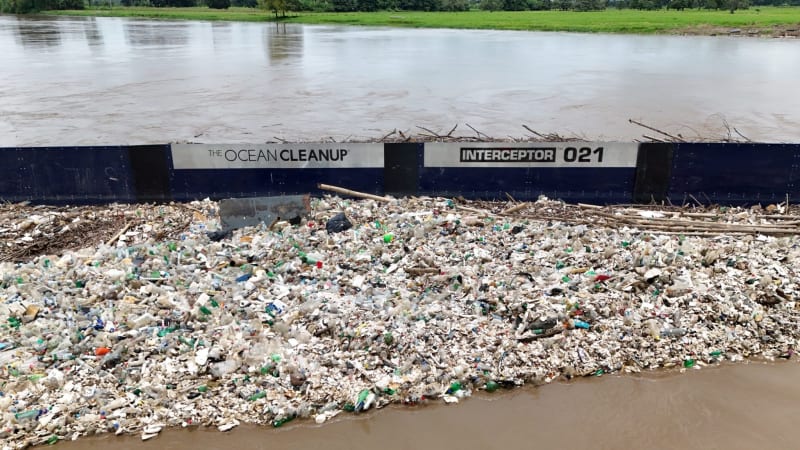
That discovery led to the creation of river interceptors, solar-powered devices that catch plastic before it ever hits the sea. These systems work upstream, where collection is easier, cheaper, and far more effective than chasing trash across open water.
The 2025 success didn't happen overnight. It came from years of research, data-driven decisions, and partnerships with local communities and governments to adapt solutions to each unique environment.
The Ripple Effect
The Ocean Cleanup's new 30 Cities Program, unveiled at the United Nations Ocean Conference in Nice, targets urban rivers responsible for roughly a third of ocean-bound waste. By working directly with municipal governments and residents, they're building systems that don't just remove plastic but prevent it from entering waterways in the first place.
This two-track approach combines immediate action with long-term prevention. While their cleanup systems pull existing waste from the ocean, the interceptors stop tomorrow's pollution before it starts.
The organization's mission remains bold: remove 90 percent of floating ocean plastic by 2040. Success will require more than technology. It demands better waste management, redesigned products, and global cooperation.
Right now, only nine percent of the world's plastic gets recycled. The rest piles up in landfills, burns in incinerators, or breaks down into microplastics that linger for centuries.
But the momentum is building. Each interceptor deployed, each ton of plastic removed, and each community partnership formed chips away at a problem that once felt impossible to solve.
Twenty-five million kilograms in one year proves that when innovation meets determination, even our biggest environmental challenges can start to turn around.
Based on reporting by Optimist Daily
This story was written by BrightWire based on verified news reports.
Spread the positivity!
Share this good news with someone who needs it