Ocean Cleanup Removes 100,000 Tons from Pacific Garbage Patch
Scientists confirm their cleanup efforts in the Great Pacific Garbage Patch are working without harming marine life. After years of research and innovation, teams are successfully removing massive amounts of plastic while protecting ocean ecosystems.
The Great Pacific Garbage Patch is finally getting smaller, and scientists say the benefits of cleaning it up far outweigh any environmental concerns.
Floating between California and Hawaii, the patch is the largest ocean plastic accumulation zone in the world. It contains more than 1.8 trillion pieces of plastic weighing about 100,000 tons, spread across an area twice the size of Texas.
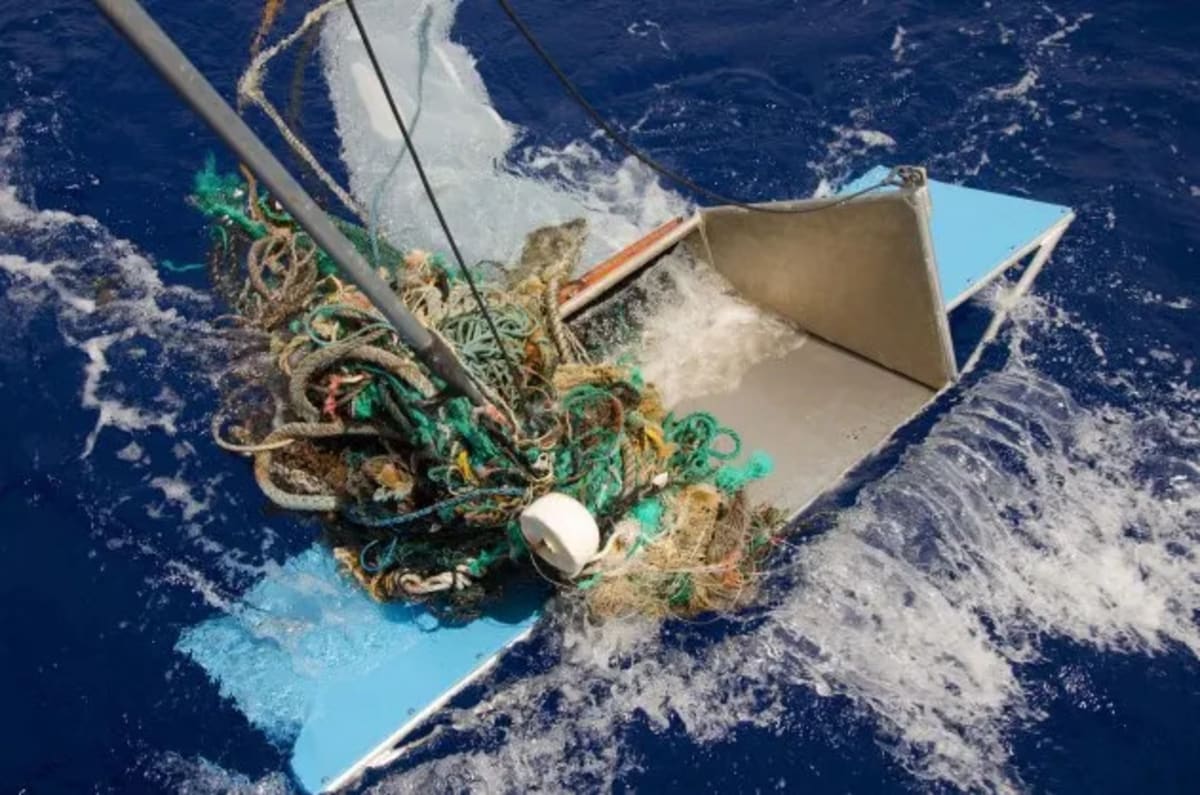
The Ocean Cleanup, leading the charge to remove this debris, recently published research showing their work is making a real difference. A collaborative study with independent scientists confirmed that marine life faces far more danger from the plastic itself than from cleanup operations.
That's crucial news because critics worried that removing the plastic might disrupt ocean ecosystems. The research proves those fears were overblown compared to the actual threat plastic poses to sea creatures.
The garbage patch forms where circular ocean currents called gyres create calm centers that trap floating debris. About 8 million tons of plastic flow into the ocean each year from beaches and rivers, breaking down into tiny pieces that collect in these zones.
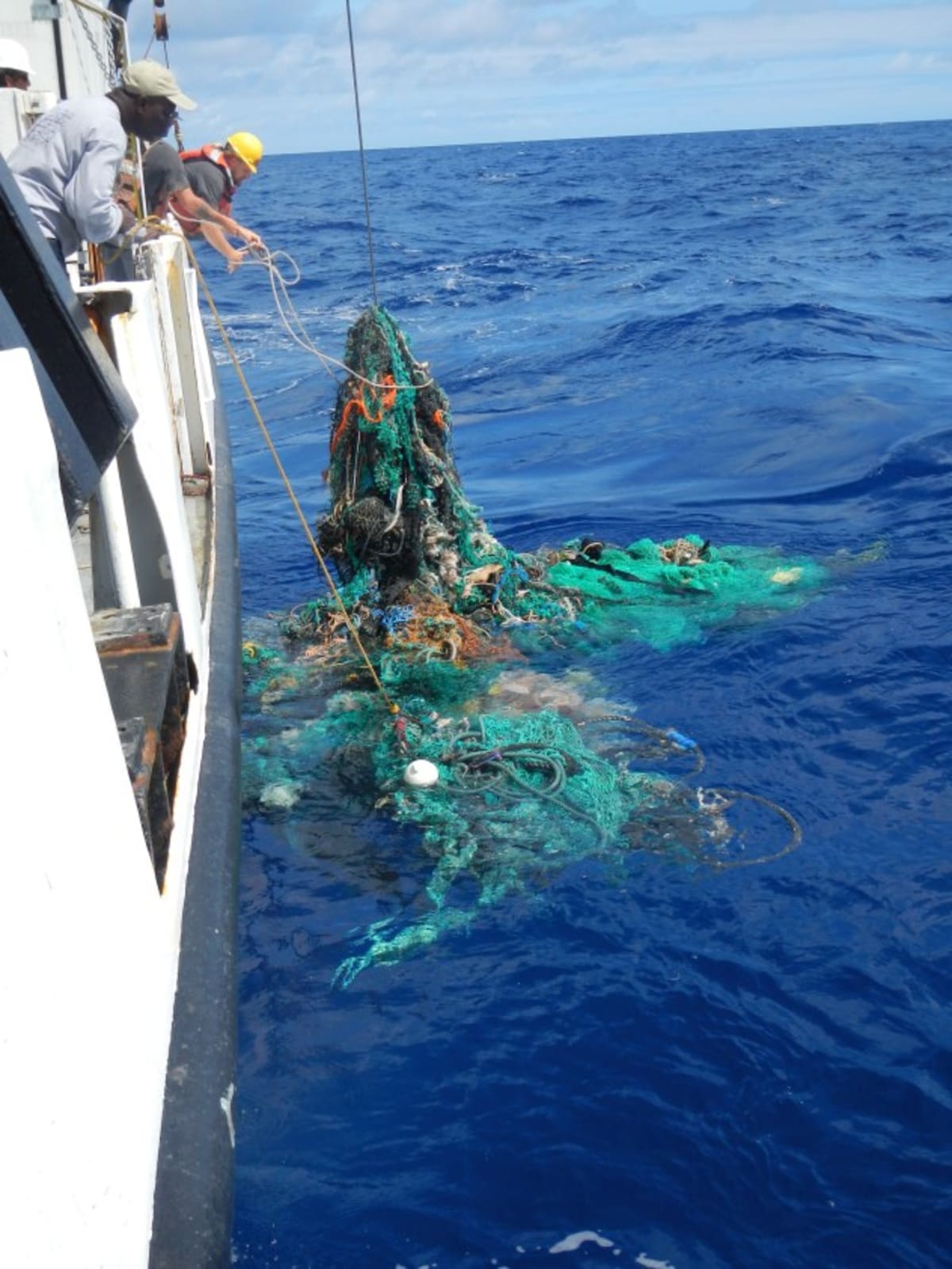
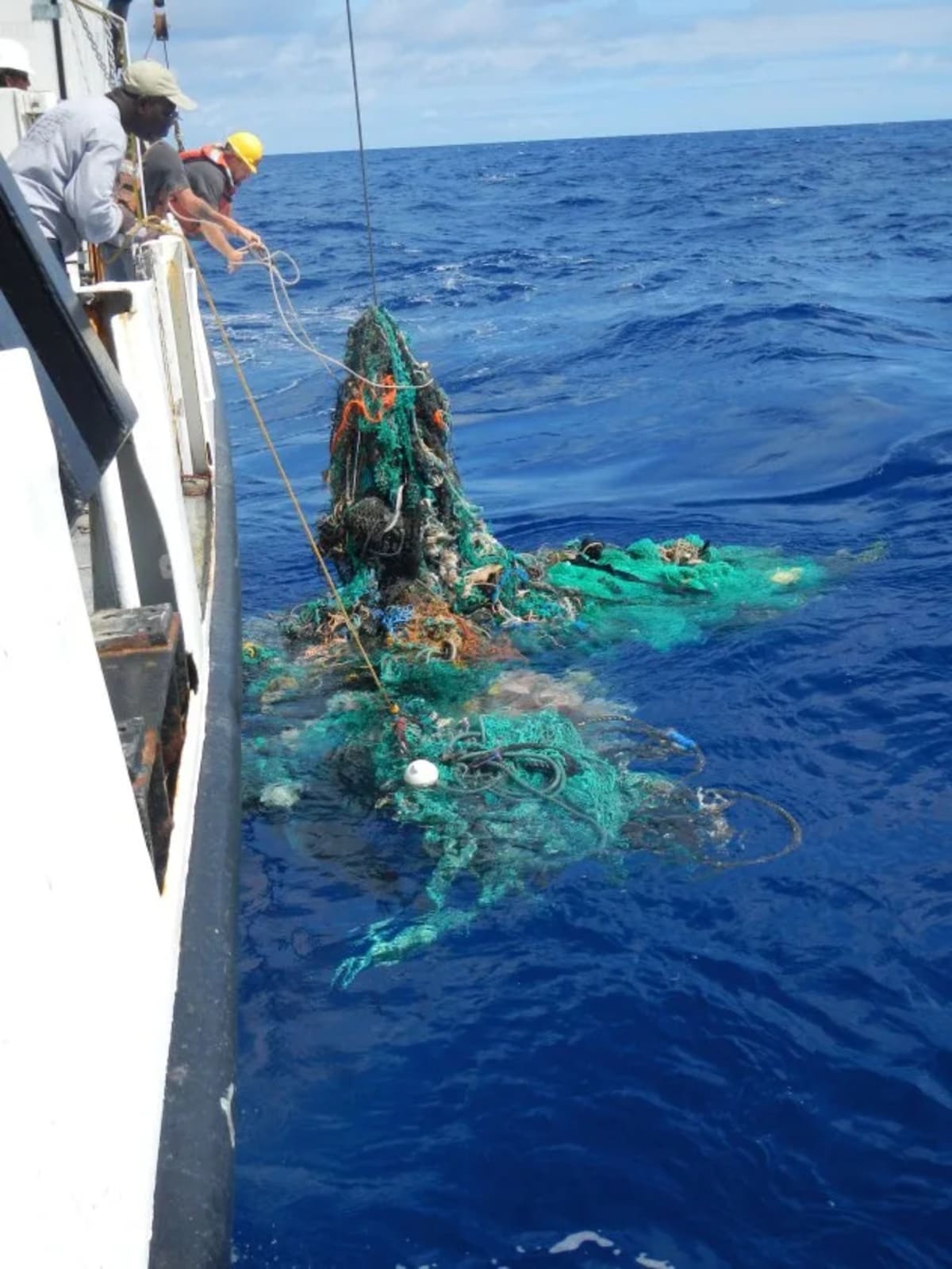
Ghost nets, abandoned fishing gear that accounts for 46 percent of the patch's mass, pose the deadliest threat to marine animals. Creatures become entangled in these nets or mistake plastic for food, leading to choking and starvation.
Surprisingly, some coastal organisms have started living and reproducing on the floating plastic debris, creating artificial shorelines. While fascinating, this development could eventually disrupt marine ecosystems in ways scientists don't yet fully understand.
The Ripple Effect
The Ocean Cleanup isn't working alone. The Ocean Conservancy runs the world's biggest volunteer cleanup initiative, the International Coastal Cleanup, removing trash from beaches and waterways before it reaches the ocean.
Dr. Britta Baechler, the Conservancy's Director of Plastics Research, emphasized that the garbage patch is just one symptom of a larger problem. Every minute, more than a garbage truck's worth of plastic enters the ocean, spreading pollution everywhere.
The solution requires three approaches working together: reducing plastic production, managing waste better, and cleaning up plastic already polluting the environment. Research teams are tackling all three fronts simultaneously.
Scientists acknowledge they may never completely eradicate the garbage patch because microplastics are difficult to see and constantly moving with winds and currents. However, stopping the patch from growing larger while removing what's already there represents genuine progress.
The patch also threatens our climate because ocean health directly affects Earth's ability to regulate temperature. As cleanup efforts continue and more volunteers join the cause, the Great Pacific Garbage Patch is becoming less of a permanent scar and more of a solvable problem.
More Images
Based on reporting by Google News - Ocean Cleanup
This story was written by BrightWire based on verified news reports.
Spread the positivity!
Share this good news with someone who needs it