Ocean Cleanup Removes 820,000 Pounds From Pacific Patch
A new study proves we can remove 80% of the Great Pacific Garbage Patch in just 10 years. After three years of real-world testing, scientists now have a proven plan to clean one of the ocean's most polluted regions.
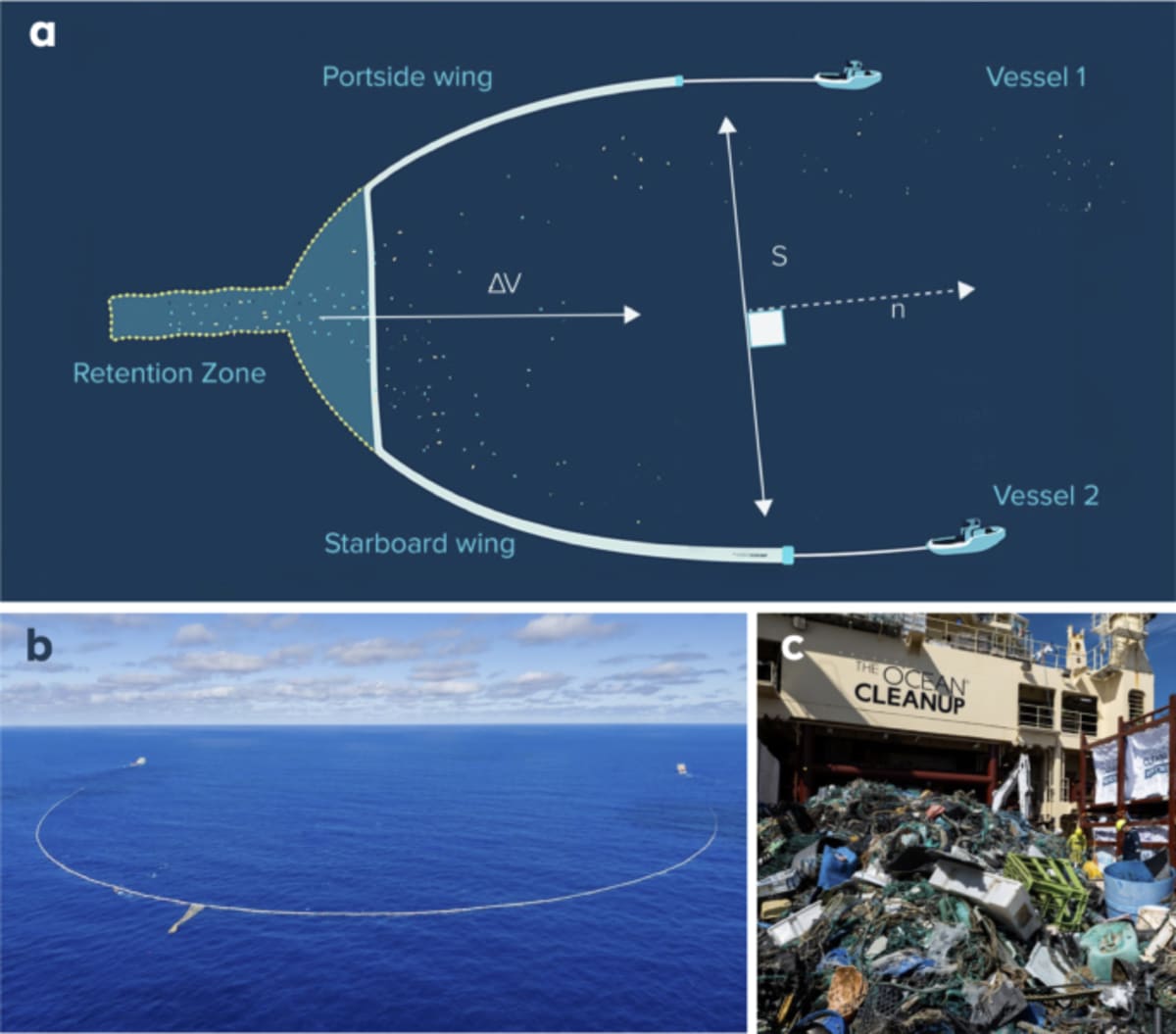
Between August 2021 and November 2024, cleanup crews pulled 820,000 pounds of plastic from the Pacific Ocean using U-shaped nets towed behind boats. This wasn't just a feel-good experiment—it was a proving ground for technology that could tackle one of the planet's most daunting environmental challenges.
The North Pacific Garbage Patch sits between California and Hawaii, spanning an area twice the size of Texas. Ocean currents create a rotating trap where plastic accumulates, and scientists estimate between 99 million and 284 million pounds of plastic have been swirling there for decades.
But here's the breakthrough: researchers used data from 72 real cleanup missions to build a computer model showing exactly how to clear it. Their plan involves a fleet of these U-shaped systems working continuously across the patch, funneling plastic into collection zones that get emptied regularly.
The numbers are staggering yet achievable. Within 10 years, the fleet could remove more than 80% of all plastic pieces larger than half an inch from the garbage patch. That's roughly 396 million pounds of plastic pulled from 620,000 square miles of ocean.
The cost? About $2 billion over the decade. That might sound expensive until you consider what we're protecting. Marine plastic pollution causes up to $2.5 trillion in annual damage to ocean ecosystems worldwide through disrupted tourism, damaged fisheries, and threatened carbon absorption.
The Ripple Effect
This proven approach changes everything about how we think of ocean cleanup. For years, scientists debated whether removing legacy plastic from the open ocean was even possible or worthwhile. This study answers both questions with hard data from actual operations.
The technology works by mimicking natural ocean processes. Just as currents concentrate plastic into garbage patches, the U-shaped nets use movement through water to funnel debris into collection points without harming marine life that can swim under or around the barriers.
Every piece removed means less plastic breaking down into microplastics that enter the food chain. It means fewer sea turtles and whales entangled in abandoned fishing nets. It protects the tiny ocean organisms that form the foundation of marine ecosystems and help regulate Earth's climate.
The study also reveals an important truth: we can't just clean our way out of plastic pollution. Even as crews remove existing waste, new plastic continues entering the ocean daily. The model accounts for this ongoing pollution and still shows dramatic improvement is possible.
Other ocean gyres face similar plastic accumulation, and this proven model could expand to the Atlantic, Indian, and Southern Oceans.
Starting in 2027, this decade-long cleanup effort could prove that humanity can reverse some of the damage we've done to our oceans.
More Images
Based on reporting by Google News - Ocean Cleanup
This story was written by BrightWire based on verified news reports.
Spread the positivity!
Share this good news with someone who needs it