Ocean Cleanup Targets 30 Cities to Stop River Plastic
A young inventor's nonprofit is deploying technology in 30 of the world's most polluting cities to prevent ocean plastic before it starts. Their data shows a small number of rivers cause most ocean pollution, and they're stopping it at the source.
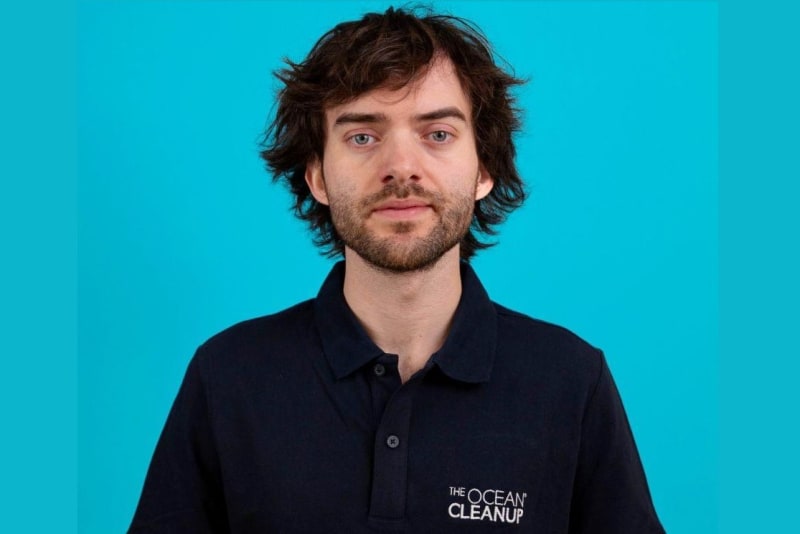
Boyan Slat started The Ocean Cleanup in 2013 with a bold dream: clean up the world's oceans. Now, thirteen years later, his team has discovered something even more powerful than cleaning up plastic already in the water is stopping it from getting there in the first place.
The nonprofit's research revealed a game-changing fact: a relatively small number of rivers are responsible for most of the plastic flowing into our oceans. That discovery shifted everything about how they work.
Instead of just fishing plastic out of the Great Pacific Garbage Patch, The Ocean Cleanup launched the 30 Cities Program. The initiative will deploy their proven Interceptor technology in 30 of the world's most polluting urban areas, with the goal of stopping one-third of all plastic emissions flowing from rivers into oceans.
Mumbai, India has been identified as a priority hub. The choice makes sense: India's expanding cities, vast coastlines, and complex river networks create perfect conditions for plastic leakage, but they also offer enormous potential for impact.
The Interceptor technology adapts to local conditions rather than imposing one-size-fits-all solutions. Before deploying any system, the team conducts extensive environmental impact assessments, pilot studies, and field testing to ensure the technology works with natural ecosystems, not against them.
Slat emphasizes that technology alone isn't enough. His team partners with local communities, governments, and stakeholders to support waste management, create jobs, and build long-term ownership of solutions.
The approach represents a fundamental shift in how the world fights plastic pollution. Rather than scattered efforts across thousands of locations, The Ocean Cleanup uses data to identify exactly where interventions will deliver the greatest impact.
The Ripple Effect
The 30 Cities Program shows how smart deployment of resources can create massive change. By focusing on high-impact rivers in major urban centers, the initiative targets plastic pollution where it begins, in the streets and waterways of rapidly growing cities.
This data-driven strategy is converting awareness into action at scale. After years of symbolic cleanups and fragmented policies, the organization is proving that prevention at the source, grounded in science and local partnerships, can match the scale of our response to the scale of the problem.
The goal is ambitious but achievable: significantly reduce ocean plastic by 2030 by stopping it upstream. With 23 expeditions to the Great Pacific Garbage Patch already completed and continuous improvements to their ocean systems, The Ocean Cleanup is attacking the problem from both ends.
One-third of global river plastic emissions stopped before reaching the ocean would transform our fight against pollution forever.
Based on reporting by Google News - Ocean Cleanup
This story was written by BrightWire based on verified news reports.
Spread the positivity!
Share this good news with someone who needs it