Ocean Life Thrives on Pacific Garbage Patch Plastic
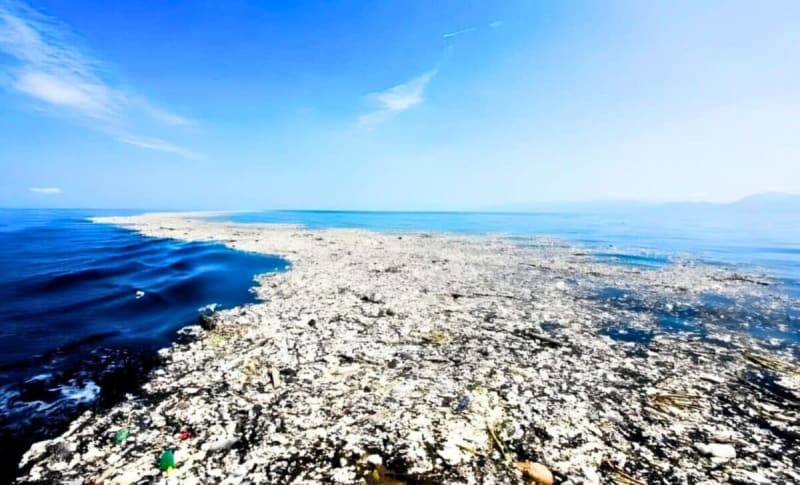
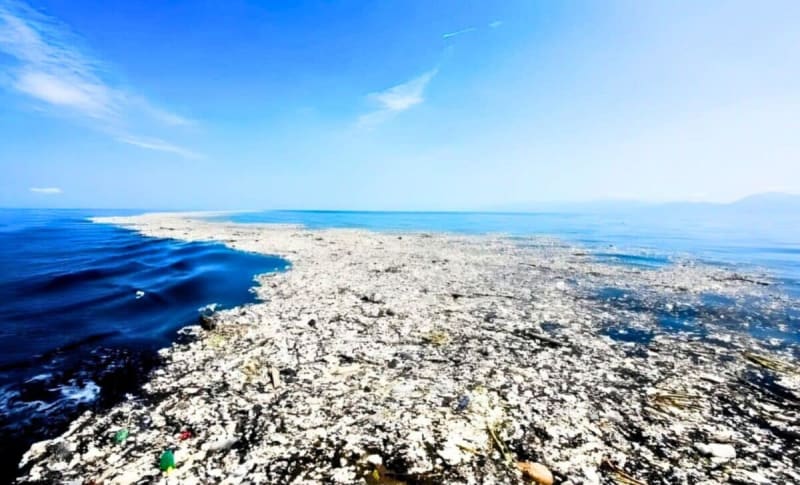
Scientists discovered dozens of coastal species living and reproducing on floating plastic debris over 1,000 miles from shore. What was once seen only as environmental disaster is now revealing unexpected biological complexity.
More than a thousand miles from the nearest coastline, marine life has found a way to survive in one of Earth's most unlikely places.
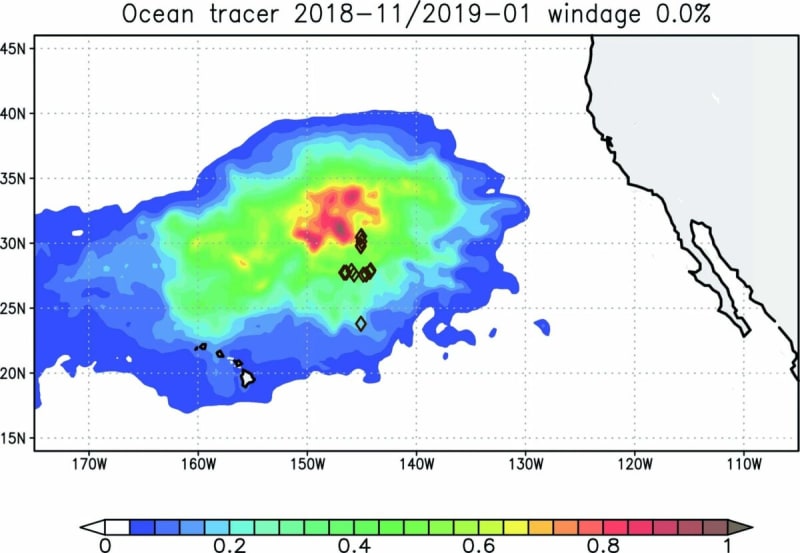
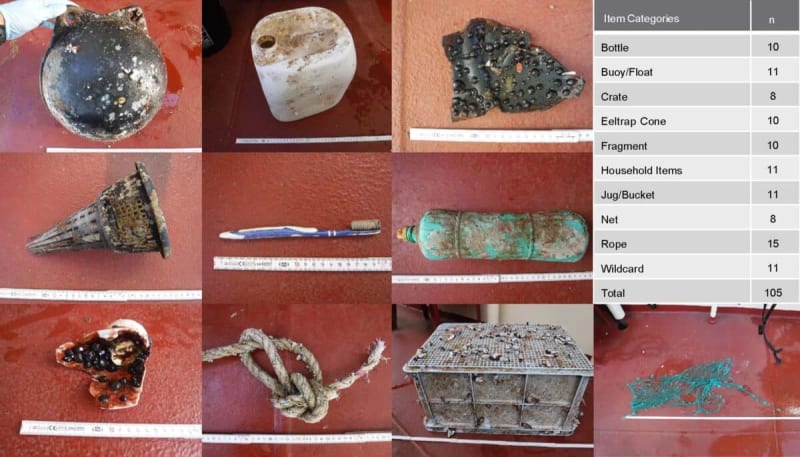
Researchers working with The Ocean Cleanup discovered 46 different species thriving on plastic debris floating in the Great Pacific Garbage Patch. Between November 2018 and January 2019, they collected 105 large plastic items from the waters between Hawaii and California. Nearly every piece carried living organisms.
The findings surprised marine scientists. Thirty-seven of the species identified were coastal creatures like sea anemones, barnacles, and isopods that normally live only near shorelines. Yet here they were, reproducing and forming stable communities on nets, ropes, and buoys drifting in the open ocean.
On many samples, researchers spotted egg-carrying females, juveniles, and multiple generations of the same species. This confirmed that these coastal animals weren't just hitching temporary rides. They were building lasting homes thousands of kilometers from where they evolved to live.
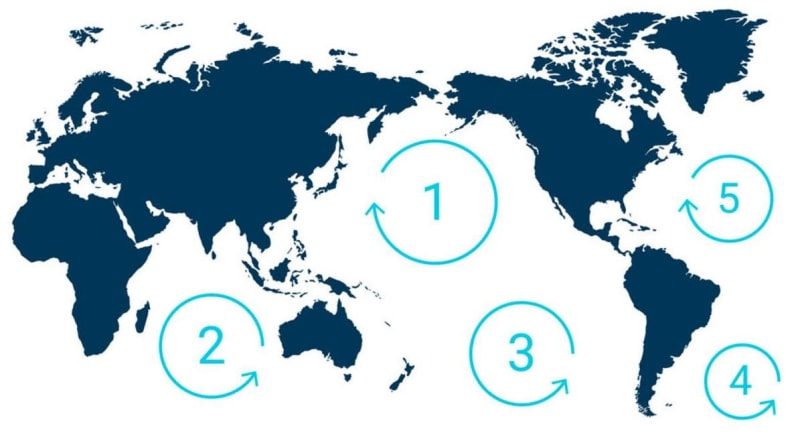
The North Pacific Subtropical Gyre creates uniquely stable conditions that make this possible. Its clockwise circulation traps debris in a calm central zone where plastic can float for years without breaking apart. Unlike natural floating materials like wood or seaweed, plastic doesn't biodegrade, giving organisms continuous platforms for colonization.
Ropes and fishing nets hosted the most diverse communities. Their textured surfaces provide both attachment points and shelter from ocean turbulence. On 66 percent of debris samples, coastal and open-ocean species coexisted side by side.
The Bright Side
This discovery doesn't make ocean plastic pollution less harmful. But it does reveal nature's remarkable resilience and adaptability. Scientists now call these floating ecosystems "neopelagic communities," a new category of marine life that didn't exist before humans created it.
The research helps scientists better understand how marine species adapt to environmental change. Some organisms possess traits like asexual reproduction and direct larval development that let them colonize isolated platforms. Sea anemones were found cloning themselves on single plastic fragments, creating multi-generational families in the middle of the ocean.
The study projects that up to 47 coastal species could eventually establish permanent populations on Pacific debris, more than four times the number of native open-ocean species. What began as environmental damage has accidentally created habitats where none existed before.
This finding reminds us that life finds pathways forward even in circumstances we've disrupted, offering unexpected insights as we work toward cleaner oceans.
More Images
Based on reporting by Google News - Ocean Cleanup
This story was written by BrightWire based on verified news reports.
Spread the positivity!
Share this good news with someone who needs it