Ocean-Powered Device Needs No Batteries to Run Sensors
Scientists just cracked the code on powering ocean sensors indefinitely using nothing but the temperature difference between water and air. The tiny device generates electricity from a 19th-century idea that Tesla and Edison both patented but never perfected.
📺 Watch the full story above
Imagine an ocean sensor that never needs its batteries replaced, powered entirely by the natural temperature difference between seawater and air.
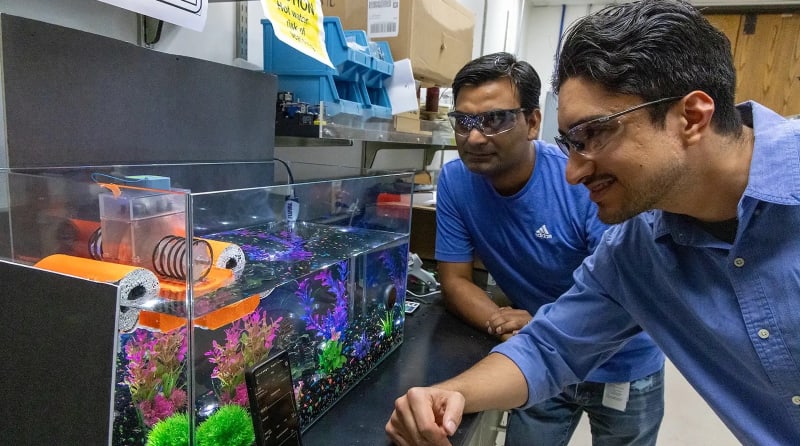
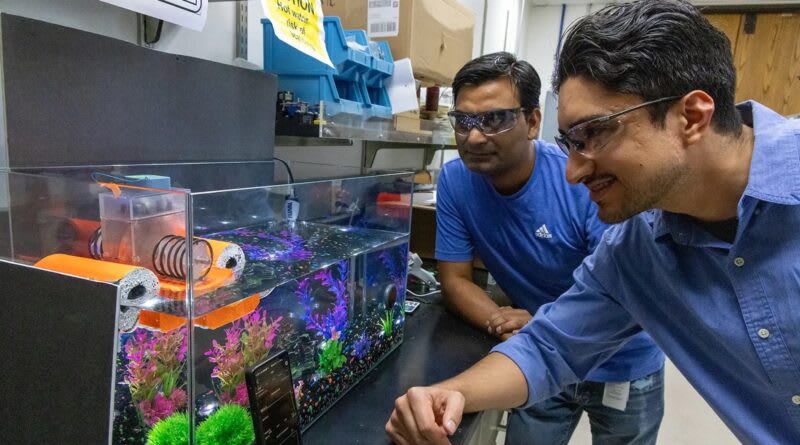
That's exactly what scientists at the National Laboratory of the Rockies just built. Their thermomagnetic generator is small enough to fit in a 15-gallon aquarium but powerful enough to keep ocean sensors running indefinitely.
The device revives a concept that Nikola Tesla and Thomas Edison both patented over a century ago. Back then, researchers abandoned the technology because it couldn't produce megawatts of power for industrial use. But senior research engineer Ravi Kishore realized nobody needed megawatts for tiny ocean sensors. They just needed milliwatts.
The foot-long generator uses gadolinium, a rare earth element with special magnetic properties. As the device cycles between the ocean's warmth and the cooler air above, the gadolinium shifts between magnetic and non-magnetic states. That magnetic flip-flop creates a steady flow of electricity.
The temperature difference can be less than 10 degrees and the device still works. Even when water and air temperatures nearly match, evaporative cooling from wind triggers enough magnetic transition to generate power.
The team published their findings in Communications Engineering, a Nature Portfolio journal. Researchers Kishore, Erick Moreno Resendiz, and Tavis Peterson showed the technology produces enough electricity to power wireless sensors that transmit data to monitoring stations.
The Ripple Effect
This breakthrough solves a massive headache for ocean research and navigation. Current marine sensors rely on batteries that eventually die, requiring expensive boat trips to replace them. Some sensors become electronic waste in the ocean when retrieval costs more than replacement.
The new generators could power distributed maritime sensors indefinitely across vast ocean areas. That means better data for climate research, safer navigation aids for ships, and more comprehensive ocean monitoring without the environmental cost of disposable batteries.
Director Achilles Karagiozis calls it a "prime example of how cutting-edge research is driving progress in groundbreaking energy solutions." The team pushed energy harvesting technology into new territory by tapping ultra-low-grade thermal gradients that were previously considered unusable.
The device passed both aquarium and water tank tests. Now scientists are developing protective coatings to shield it from corrosion and salt damage before ocean trials begin. Making technology survive the harsh marine environment isn't easy, but Kishore's team is focused on durability testing in real ocean conditions.
The Department of Energy's Water Power Technologies Office funded the research, recognizing its potential to transform how we monitor and explore our oceans.
Sometimes the future really does start with looking back at brilliant ideas that just needed the right application to shine.
More Images


Based on reporting by CleanTechnica
This story was written by BrightWire based on verified news reports.
Spread the positivity!
Share this good news with someone who needs it