Ocean Tourism Now Funds Coral Reef Restoration Worldwide
Travelers are diving in to plant coral and restore marine ecosystems while on vacation, creating a booming new industry that funds conservation. Ocean restoration tourism combines meaningful travel with hands-on environmental impact, turning tourists into citizen scientists.
Your next beach vacation could help rebuild a dying coral reef. A new wave of ocean restoration tourism is turning environmentally conscious travelers into active participants in marine conservation, creating real impact while exploring tropical destinations.
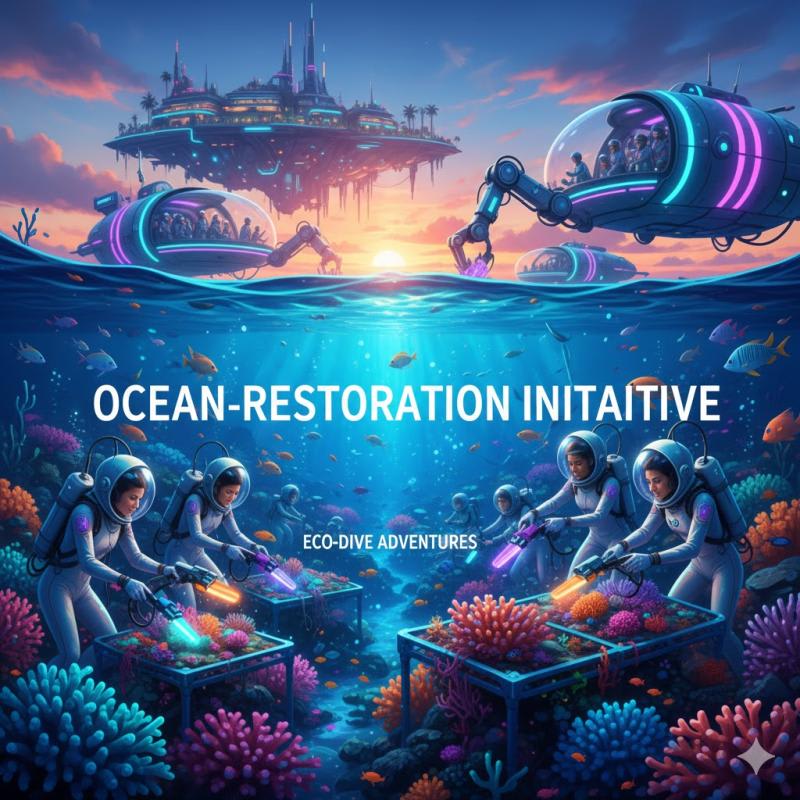
The emerging industry connects tourists with hands-on conservation projects like coral planting, mangrove regeneration, and marine wildlife monitoring. Organizations like the Coral Restoration Foundation in Florida and Gili Eco Trust in Indonesia now offer diving programs where visitors help plant coral fragments in underwater nurseries and monitor reef recovery.
These aren't just token gestures. The programs generate revenue that directly supports scientific research, local livelihoods, and long-term ecosystem management in coastal communities vulnerable to ocean degradation.
The Ocean Cleanup in the Netherlands and Blue Ventures in the UK have pioneered citizen science expeditions where travelers collect data alongside marine biologists. Reef Explorer Fiji runs restoration dives that have helped regenerate damaged reef systems while providing income for island communities.
Luxury eco-resorts are building entire experiences around conservation activities. Guests spend mornings snorkeling to transplant seagrass and afternoons learning about marine biology from researchers, creating what the industry calls "regenerative travel."
The Ripple Effect
The model creates multiple wins. Destinations diversified their tourism offerings beyond simple beach visits. Local communities gained employment as conservation guides and program coordinators. Scientists secured funding and volunteer labor for restoration projects that would otherwise lack resources.
The industry particularly attracts younger travelers and families seeking meaningful experiences over passive tourism. Educational programs have introduced thousands of students to marine conservation through hands-on participation rather than textbooks.
Corporate groups now book sustainability retreats focused on ocean restoration, aligning team-building activities with environmental goals. The PADI AWARE Foundation reports growing demand from divers who want their certifications to include conservation training.
Asia Pacific regions are seeing the fastest growth as coastal destinations recognize the economic value of healthy marine ecosystems. Countries like Indonesia, Thailand, and the Philippines are developing programs that protect reefs while creating tourism revenue that doesn't depend on extractive activities.
The industry faces real challenges including high coordination costs, weather dependency, and ensuring programs maintain scientific credibility. Success requires partnerships between tour operators, conservation organizations, research institutions, and local communities working together.
But the momentum keeps building as more travelers discover they can combine adventure with environmental action, proving that tourism doesn't have to damage the places we love to visit.
Based on reporting by Google News - Ocean Cleanup
This story was written by BrightWire based on verified news reports.
Spread the positivity!
Share this good news with someone who needs it