Odisha Expands College Access for 10,000+ Students
Odisha just dramatically increased educational opportunities for underrepresented students, more than doubling medical school seats for tribal and scheduled caste communities. The new policy also introduces college quotas for economically disadvantaged students for the first time.
Thousands of students in Odisha will now have access to medical school and technical education thanks to a sweeping new policy announced this week.
The Indian state raised its quota for Scheduled Tribe students from 12% to 22.5% in medical and technical programs, nearly doubling their reserved seats. Scheduled Caste students saw their quota jump from 8% to 16.25%, while economically disadvantaged students received an 11.25% quota for the first time in state history.
The numbers tell a powerful story. For medical school alone, Scheduled Tribe students will see their reserved seats increase from 290 to 545 out of 2,421 total spots. Scheduled Caste students will jump from 193 to 393 seats.
Engineering programs show even bigger gains. Scheduled Tribe students will secure 10,030 seats instead of 5,349, while Scheduled Caste numbers rise from 3,566 to 7,244 seats. The newly created quota adds another 515 seats for economically disadvantaged students who previously had zero reserved spots.
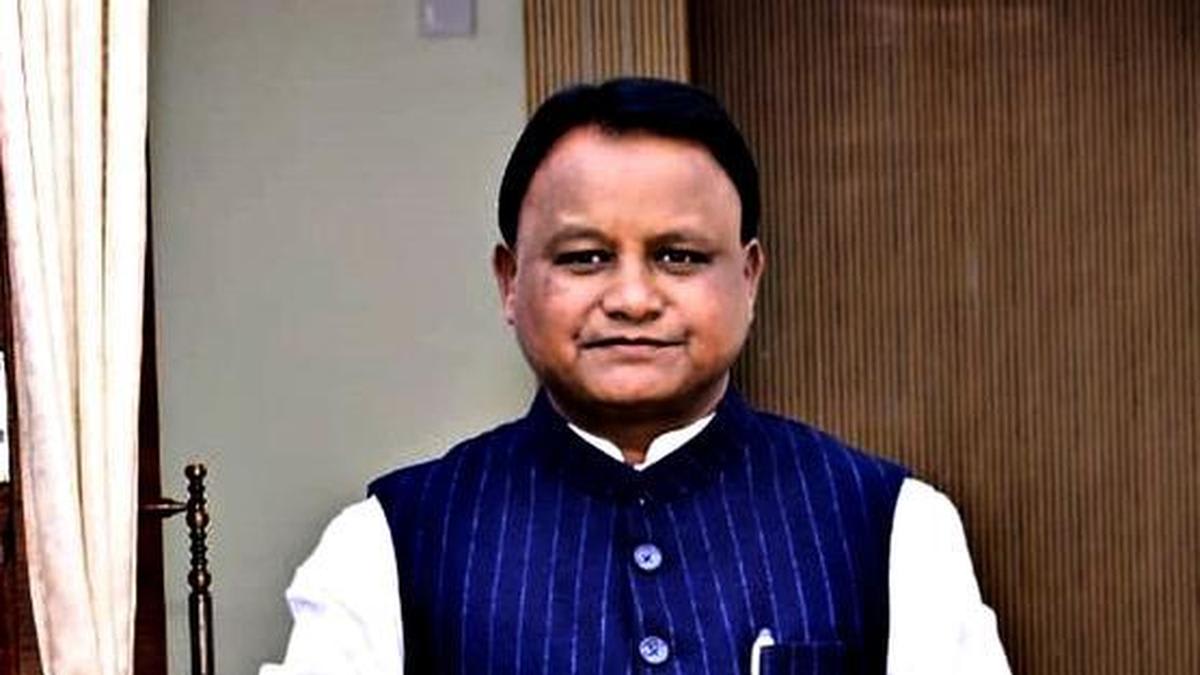
Chief Minister Mohan Charan Majhi announced the decision after a cabinet meeting in Bhubaneswar on April 4. He emphasized that the change addresses a longstanding gap between population demographics and educational access.
The new reservation system covers universities, colleges, technical institutes, and polytechnics across the state. It applies to programs in engineering, medicine, nursing, pharmacy, agriculture, architecture, and other professional fields at both undergraduate and postgraduate levels.
Beyond education, the government also launched a food security program providing an additional 5 kg of free rice monthly to over 32 million beneficiaries. The initiative extends support to families already receiving aid under national and state food security schemes.
The Ripple Effect
This policy shift reaches far beyond classroom doors. When students from underrepresented communities gain access to professional education, entire families and villages benefit from their future careers as doctors, engineers, and healthcare workers.
The change particularly impacts tribal communities, who make up over 22% of Odisha's population but previously held only 12% of technical education seats. Now their representation matches their population for the first time.
Medical professionals from these communities often return to serve rural and tribal areas facing severe healthcare shortages. More doctors and nurses from local communities means better healthcare access for millions who need it most.
A single policy decision just opened doors for over 10,000 additional students each year to pursue careers that seemed out of reach just days ago.
Based on reporting by The Hindu
This story was written by BrightWire based on verified news reports.
Spread the positivity!
Share this good news with someone who needs it