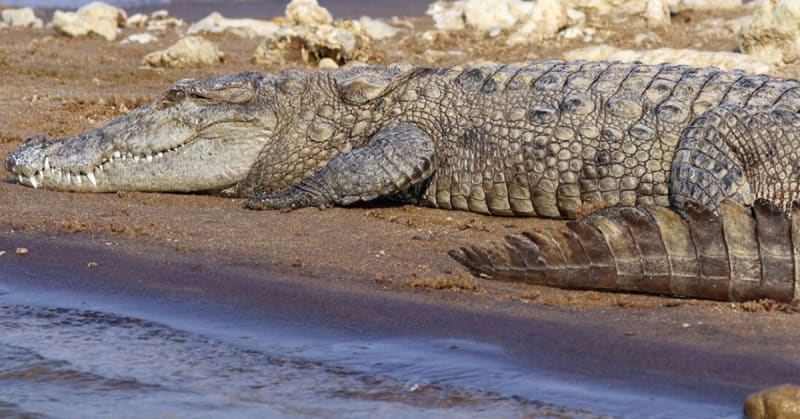
Odisha Park Sees Crocodile Population Jump
A recent wildlife census in Similipal National Park shows crocodile numbers are climbing, signaling that conservation efforts are working. The increase points to healthier rivers and wetlands across this biodiverse sanctuary in eastern India.
More crocodiles are thriving in Similipal National Park, and that's excellent news for one of India's most ecologically important protected areas.
The latest census counted more crocodiles in Similipal than previous surveys, marking a clear conservation win for the park in Odisha's Mayurbhanj district. This population increase reflects years of focused effort to protect the park's rivers, wetlands, and the species that depend on them.
Similipal has worn many conservation hats over the decades. It's simultaneously a National Park, Tiger Reserve, Wildlife Sanctuary, and Biosphere Reserve, creating layers of protection for its diverse inhabitants.
The park stretches across high plateaus and forested hills, with waterfalls cascading down slopes and rivers cutting through dense sal forests. This varied landscape supports everything from tigers and elephants to the crocodiles now making a comeback.
Crocodile populations serve as living thermometers for water quality and ecosystem health. When their numbers rise, it signals that rivers are cleaner, prey is abundant, and breeding habitats remain undisturbed.
Similipal's conservation team has worked to maintain these aquatic systems while managing challenges from illegal fishing, habitat disturbance, and human-wildlife conflict. The results show that targeted protection can reverse declining wildlife trends.
The Ripple Effect
Healthy crocodile populations benefit far more than just the reptiles themselves. These apex predators help control fish populations, which keeps aquatic ecosystems balanced and prevents any single species from dominating.
Their presence also indicates thriving wetlands that filter water, prevent erosion, and provide habitat for countless other species. When crocodiles do well, birds, fish, amphibians, and even the surrounding forests benefit from the interconnected health of the ecosystem.
Local communities benefit too, as robust ecosystems support traditional fishing, clean drinking water sources, and eco-tourism opportunities that bring jobs and income to the region.
The park already protects India's only known population of melanistic black tigers, making it a destination for wildlife enthusiasts worldwide. Adding a crocodile comeback story strengthens Similipal's reputation as a conservation success.
Similar protected areas across India can learn from Similipal's multi-species approach, where protecting one animal's habitat creates cascading benefits for entire ecosystems. The model proves that comprehensive conservation planning pays dividends across the board.
This crocodile census offers proof that patient, science-based conservation work creates real change in the wild.
More Images


Based on reporting by Google News - Conservation Success
This story was written by BrightWire based on verified news reports.
Spread the positivity! 🌟
Share this good news with someone who needs it