Odisha Weaver Trains 200 Women to Gain Financial Freedom
Master artisan Prafulla Kumar Sahoo spends an entire month crafting a single traditional saree by hand. Beyond preserving this rare Indian heritage, he has trained over 200 women and young people to achieve lasting financial independence.
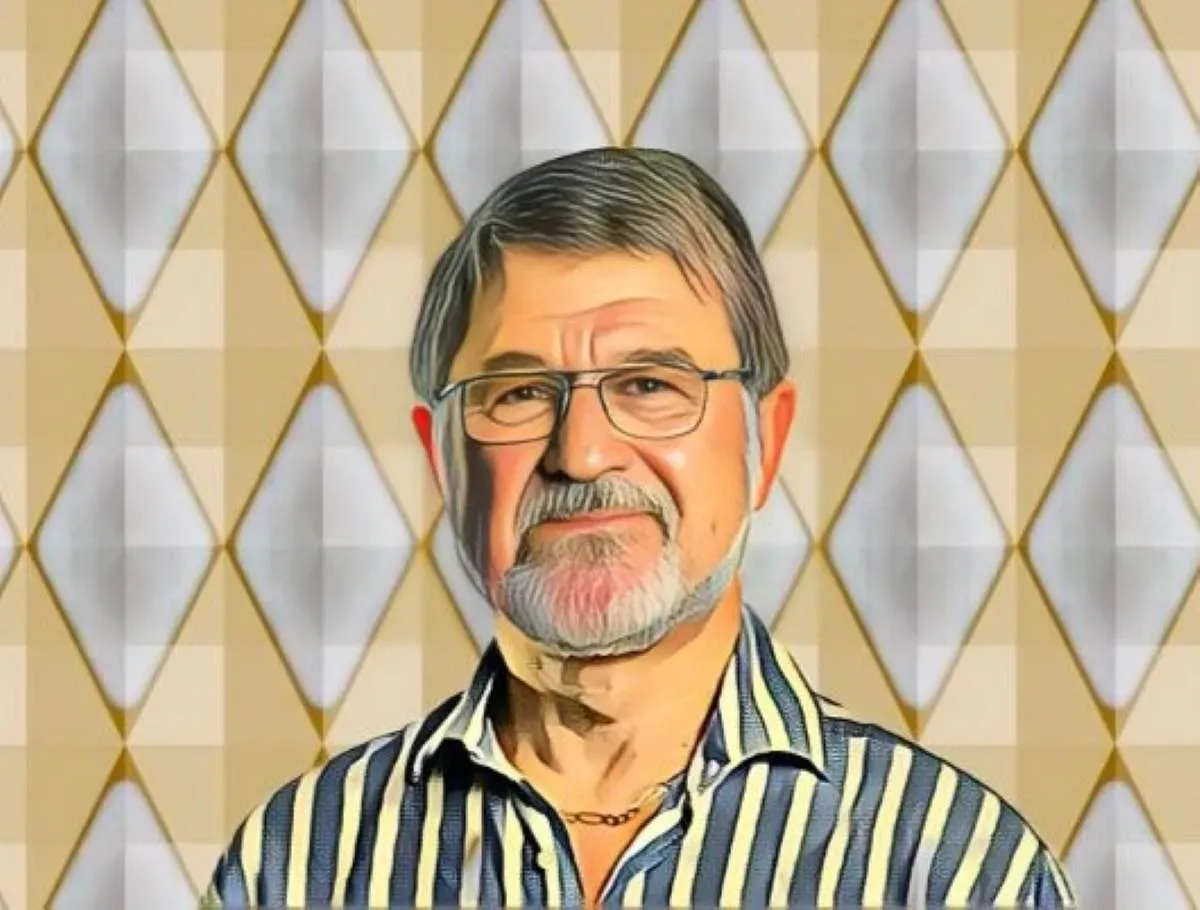
For Prafulla Kumar Sahoo, weaving is not merely a job but a sacred act of patience. The 59-year-old master artisan from Odisha spends an entire month painstakingly crafting a single Patta saree on his wooden handloom.
Working from his modest workshop in Dodunda Singipur village, Sahoo keeps an ancient heritage alive thread by thread. Yet his greatest masterpiece is not the fabric he weaves, but the hundreds of rural lives he is actively transforming.
Sahoo has dedicated 45 years to perfecting single-count cotton weaving, known locally as Chiadifoda. The process requires treating fine cotton yarn with rice starch and using thin wooden sticks to hand-insert intricate motifs across the loom.
The process demands extraordinary precision and physical endurance. Sahoo uses single-count 80s cotton yarn to produce lightweight, breathable sarees adorned with traditional temple borders and his signature fish motifs.
While industrial machines flood modern shops with cheap alternatives, Sahoo refuses to let traditional handloom weaving fade away. Instead, he turned his personal mastery into an engine of opportunity for his community.
Sahoo has trained more than 200 unemployed women and young people across eight districts in Odisha. His practical six-month workshops teach students how to prepare yarn, operate handlooms, and master complex weaving techniques.
To guarantee their success, Sahoo partners with the Netaji Weavers Cooperative Society. The cooperative provides raw materials upfront and purchases the finished textiles, protecting new weavers from financial risk and debt.
Today, graduates of his program regularly earn between 10,000 and 12,000 rupees every month. Rural homemakers who once had no independent income now manage their own looms, bank accounts, and household finances.
Sahoo's selfless dedication recently earned him India's prestigious National Handloom Award. Even with national acclaim, the master artisan insists that true success means ensuring the next generation can earn a dignified living from the craft.
The Ripple Effect
Sahoo's grassroots training model proves that cultural preservation and poverty alleviation can flourish together. By putting looms into the hands of rural women, he has fostered financial autonomy across communities where employment options were once scarce.
Entire households now enjoy greater security, with mothers funding their children's education through their independent earnings. As these newly trained artisans mentor others, a centuries-old art form gains both fresh energy and a sustainable commercial future.
With every thread woven, Sahoo and his students prove that traditional heritage holds the power to build modern, self-reliant lives.
More Images

Based on reporting by Times of India - Good News
Turn Today’s Good News Into Action
Generate a simple, meaningful 2-minute act of kindness you can do today and log your ripple effect.
Spread the positivity!
Share this good news with someone who needs it