
Oklahoma Lab Finds 1 Key Protein to Fight Diabetes
A breakthrough discovery has revealed a key protein that blocks insulin in muscle tissue, offering fresh hope to millions living with Type 2 diabetes. By showing that exercise sweeps this protein away, researchers have charted an exciting new path toward targeted treatments.
Millions of families know the daily strain of managing blood sugar, but a remarkable scientific win is offering renewed hope for a healthier future. Researchers have pinpointed a specific cellular culprit that disrupts insulin absorption, solving a mystery that puzzled medical experts for decades.
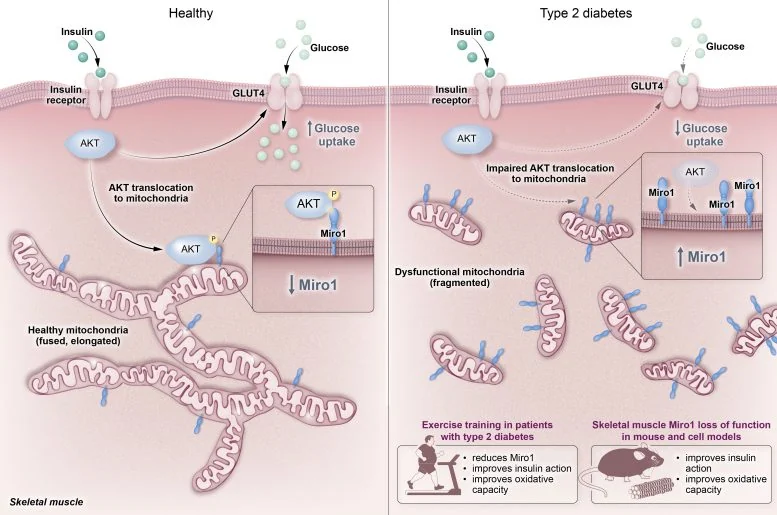
The landmark study, published in Nature Communications, reveals that an overlooked protein called Miro1 builds up inside skeletal muscle cells. When this protein accumulates in high amounts, it actively prevents muscle tissue from responding to insulin signals.
Skeletal muscle plays a central role in human metabolism because it acts like a giant sponge for glucose. Whenever you eat, insulin signals these muscles to draw sugar out of your bloodstream to fuel daily activity.
When Miro1 levels climb too high, muscle cells ignore that signal and let sugar circulate in the blood. Over time, that persistent resistance can lead to the serious complications linked with Type 2 diabetes.
Dr. John P. Kirwan led the multi-year investigation while directing teams at LSU's Pennington Biomedical Research Center. He has since brought his research program to the OU Health Harold Hamm Diabetes Center at the University of Oklahoma.
To understand the biological puzzle, the team tracked Miro1 from single cells to living animal models and human volunteers. In laboratory tests, physically removing the excess Miro1 protein instantly restored normal insulin sensitivity.
First author Elizabeth Heintz performed key experiments alongside co-corresponding author Christopher Axelrod during years of rigorous laboratory work. Their findings confirm that Miro1 directly drives the loss of insulin responsiveness rather than just being an accidental bystander.
The researchers also wanted to test how daily lifestyle habits influenced this troublesome protein in real life. They launched a randomized controlled trial with adult volunteers diagnosed with obesity and Type 2 diabetes.
One group received standard clinical care, while the second group completed regular sessions of aerobic exercise. The differences between the two groups quickly became clear.
Participants who exercised showed a dramatic drop in muscle Miro1 levels. Alongside that decline, their bodies processed insulin far more effectively and their muscle cells generated higher levels of clean energy.
Miro1 sits directly on the outer membrane of mitochondria, the microscopic power plants responsible for generating cellular fuel. When exercise lowers Miro1, these cellular powerhouses function with greater efficiency.
For generations, healthcare providers prescribed workouts without knowing the precise molecular chain reaction taking place deep inside the muscle. This study finally unmasks the exact cellular gear that exercise resets.
The discovery also offers deep validation to patients who dedicate time each week to walking, swimming, or cycling. Their physical effort creates immediate, measurable repairs at the deepest microscopic level.
The Bright Side
Identifying Miro1 gives biotechnology researchers a brand-new target for life-changing medical treatments. Scientists can now focus on developing therapies that safely reduce or disable Miro1 in patients who cannot easily exercise.
Such treatments could bring the cellular benefits of aerobic training to people living with limited mobility, advanced age, or severe joint conditions. Combining innovative medicines with healthy daily habits could transform how doctors treat metabolic health in clinics worldwide.
Dr. Kirwan and his colleagues are already designing follow-up clinical investigations to explore safe ways of targeting Miro1. Their goal is to turn laboratory insights into practical, accessible tools that help communities conquer chronic disease.
Scientific progress like this reminds us that our bodies possess an incredible capacity to adapt, recover, and flourish when given the right tools. Every breakthrough brings modern medicine one step closer to lasting solutions that restore energy, vitality, and joy to millions of lives.
With passionate scientists unlocking the body's hidden wisdom, a vibrant and healthier tomorrow is rising on the horizon.
More Images
Based on reporting by Google News - Scientists Discover
This story was written by BrightWire based on verified news reports.
Reset Your Focus With Today’s Daily Affirmations & Mood Check
Take a 60-second mindful pause with curated daily affirmations and our private positivity mood tracker.
Spread the positivity!
Share this good news with someone who needs it

