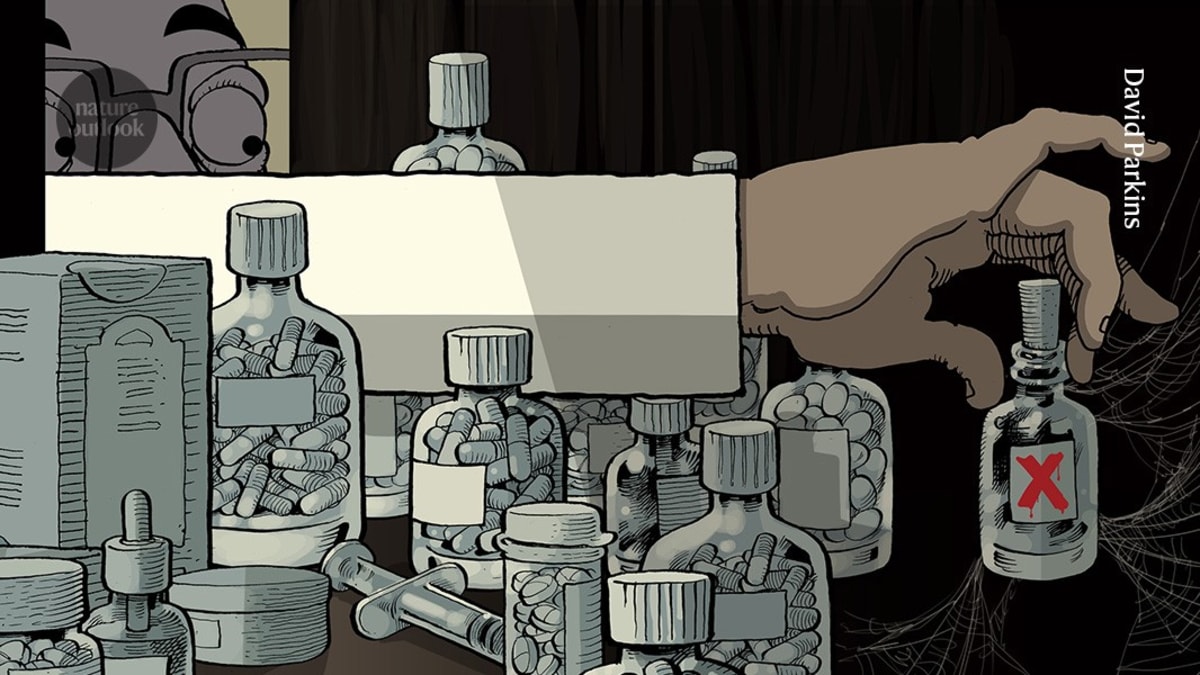
Old Antibiotics Get New Life Fighting Superbugs
Scientists are reviving forgotten antimicrobial peptides with modern technology to combat drug-resistant bacteria. These small proteins, once deemed too toxic, could become tomorrow's lifesaving treatments.
Doctors facing the growing threat of antibiotic-resistant bacteria are dusting off old medicines and discovering they might hold the key to our future.
Antimicrobial peptides, or AMPs, are tiny proteins that punch holes in bacterial walls. Discovered in the 1940s and 50s, they fell out of favor because the doses needed to fight infections often harmed human kidneys and other organs.
But resistance to modern antibiotics has forced physicians to use these old drugs again as last-resort treatments. Now scientists are asking a bigger question: what if we could fix these forgotten medicines instead of just tolerating their flaws?
Researchers at Monash University in Australia spent years tweaking polymyxin, one of the oldest AMPs, one atom at a time. After creating 1,400 different versions, they found a winner: QPX9003 retains its bacteria-killing power but doesn't damage kidneys like the original.
The secret lies in how AMPs work differently than typical antibiotics. Most modern drugs target bacterial enzymes, which bugs can learn to resist. AMPs carry a positive electrical charge that draws them to negatively charged bacterial walls, where they puncture the protective barrier and cause the microbe to spill its contents.
Human cells stay safe because they're electrically neutral overall. And bacteria struggle to evolve defenses against this attack strategy because their protective walls are essential to survival.
Modern tools are making all the difference. Scientists are using computer modeling, machine learning, and molecular imaging that didn't exist when these drugs were first discovered. These technologies help them understand exactly how AMPs work and predict which modifications will reduce toxicity while keeping effectiveness.
Omnix Medical in Jerusalem is developing OMN6, an AMP derived from giant silk moths, specifically for drug-resistant infections in older adults. Early safety trials show no red flags.
Computational biologist Ewa Szczurek estimates nature has produced about 30,000 different AMPs across microbes, insects, and mammals. Only a handful have been developed for medical use, meaning thousands of potential treatments are waiting to be explored.
The Bright Side
This story represents a shift in how we might approach drug development. Instead of always chasing the newest compounds, sometimes looking backward with better tools can reveal solutions hiding in plain sight.
China and U.S.-based Brii Biosciences has already acquired rights to QPX9003 and is developing it to treat pneumonia from bacteria the World Health Organization lists as top priorities for new antibiotics.
The narrow therapeutic range that once doomed these drugs is becoming manageable through precise modifications and better understanding of how they work in the body.
Scientists are proving that old medicines paired with new science can create powerful treatments we desperately need.
More Images


Based on reporting by Nature News
This story was written by BrightWire based on verified news reports.
Spread the positivity!
Share this good news with someone who needs it