Old Bullets Become Clean Energy in New Solar Breakthrough
Scientists found a way to transform toxic lead from old ammunition into materials for highly efficient solar panels. The innovation tackles two problems at once: hazardous waste and clean energy production.
Shooting ranges and old ammunition sites have a dangerous pollution problem, but scientists just turned that toxic legacy into a solar power solution.
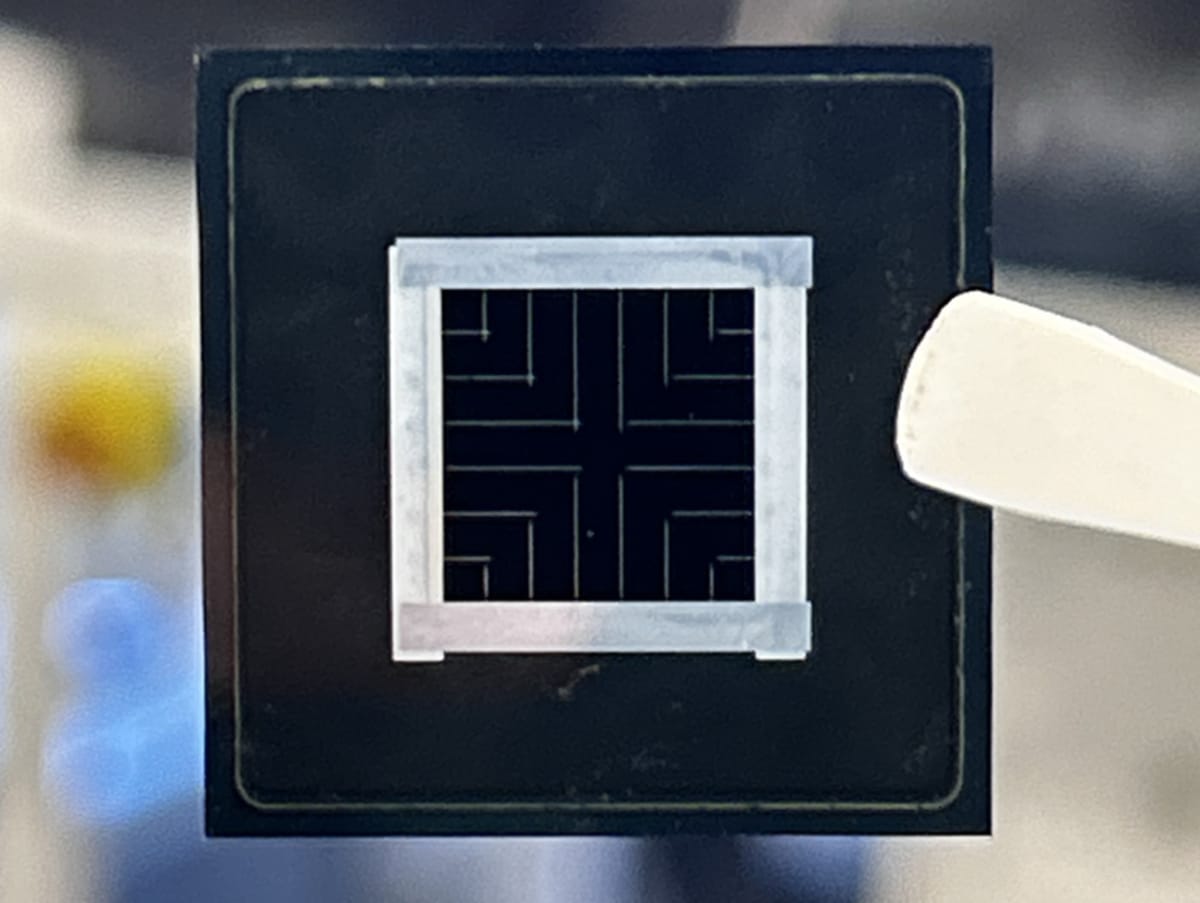
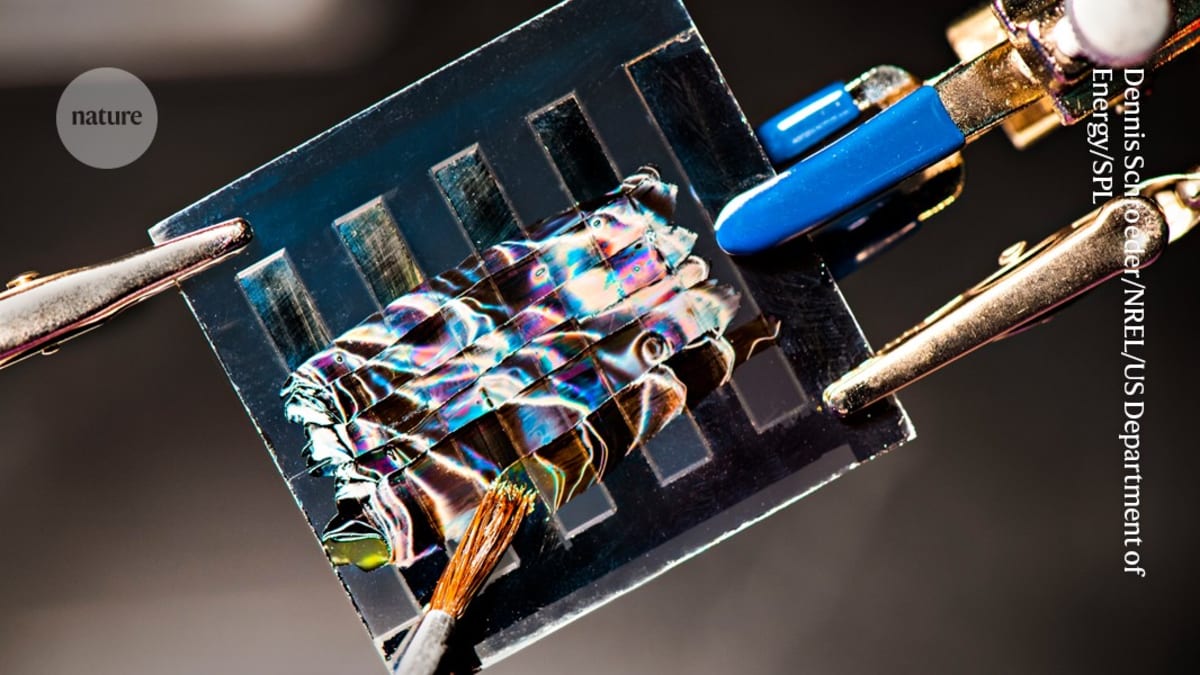
Researchers developed a two-step chemical process that converts lead waste from old bullets into lead iodide, a key ingredient in perovskite solar cells. These advanced solar panels convert sunlight to electricity more efficiently than many traditional designs.
The innovation solves two environmental challenges simultaneously. Lead contamination from ammunition has poisoned soil and water at shooting ranges and military sites for decades, creating costly cleanup problems and health risks.
Meanwhile, solar panel manufacturers have struggled with sourcing lead iodide ethically and sustainably. The compound is essential for perovskite cells, which represent one of the most promising advances in solar technology in recent years.
The Ripple Effect
This breakthrough shows how environmental problems can become environmental solutions. Thousands of contaminated sites across the globe contain lead that could now fuel the renewable energy transition instead of threatening ecosystems.
The process gives new purpose to hazardous waste while advancing clean energy technology. It transforms a liability into an asset, turning pollution into power generation materials.
The approach could make solar technology more sustainable from the start. By using recycled lead instead of newly mined materials, manufacturers reduce the environmental footprint of producing clean energy equipment.
Beyond ammunition, the technique could extend to other lead waste sources, from old batteries to industrial contamination. Each application removes toxins from the environment while supporting renewable energy infrastructure.
The research demonstrates that circular economy thinking can create unexpected connections between old problems and new solutions.
CONTENT LIMITATION NOTICE: This article is written with incomplete source information. A full BrightWire article would include researcher names, institutional affiliations, specific locations, implementation timeline, and scale of impact.
More Images




Based on reporting by Nature News
This story was written by BrightWire based on verified news reports.
Spread the positivity!
Share this good news with someone who needs it