Old Drugs Save Livestock from Flesh-Eating Parasite
When a flesh-eating parasite returned to US farms after 60 years, animal health companies quickly repurposed existing medications to protect livestock. While officials work on a permanent solution, these emergency treatments are giving farmers hope and buying precious time.
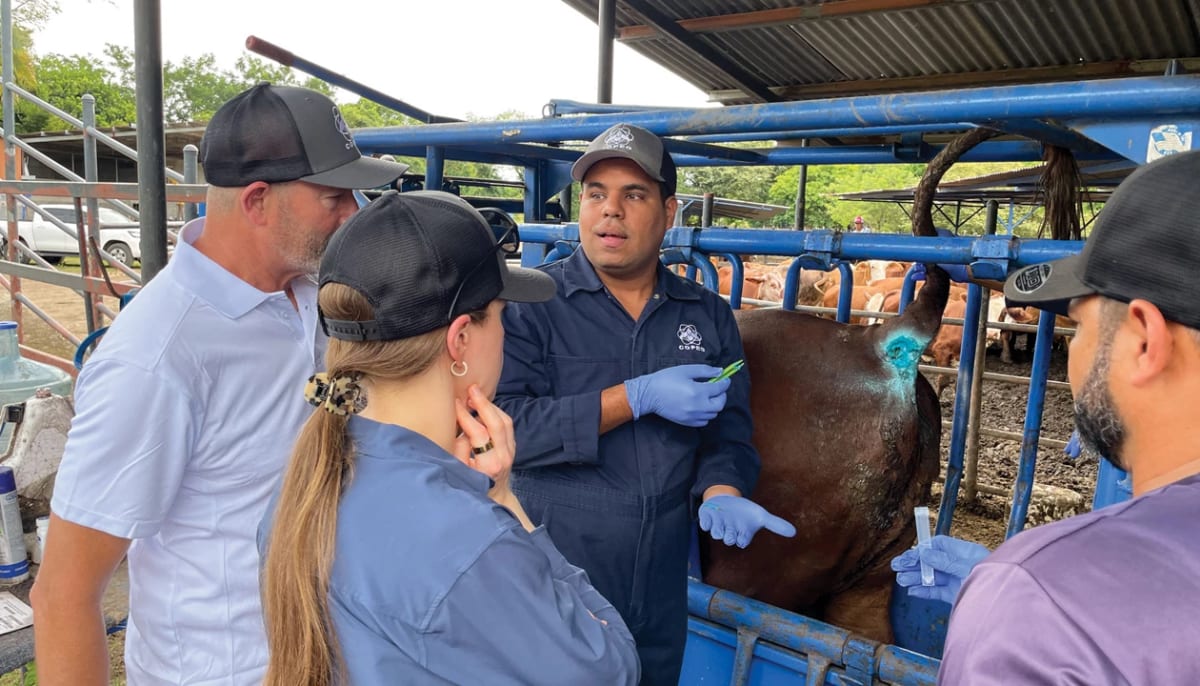
Farmers across Texas and New Mexico are breathing a bit easier thanks to a fast response from animal health companies tackling a returning threat.
The New World screwworm, a flesh-eating fly that was eliminated from the US in the 1960s, showed up on a Texas cow last week. The parasite lays eggs in wounds on animals, and when larvae hatch, they consume living flesh. Left untreated, infestations can seriously injure or kill cows, sheep, and other mammals.
But animal health firms moved quickly. After the fly started creeping north from South America in 2022, companies dug through their medicine cabinets to find solutions. The FDA issued its first-ever emergency authorizations for animal health products, approving more than 10 treatments in under a year.
Zoetis led the charge in August 2025, securing approval for doramectin, a drug it already sold for controlling worms and mites. Boehringer Ingelheim followed with ivermectin in February. Elanco found that lotilaner, its flea and tick medicine, could expel screwworms from infected dogs and cats.
These weren't new miracle drugs. They were reliable medications already sitting on pharmacy shelves, backed by data from South American studies where the parasite remained common. "Avermectins have been around forever, so there's information out there about basically any parasite you can imagine," says Jay Stallons from animal health advisory firm Tiresias Consulting.
The approach bought farmers crucial time. Rather than watching helplessly as the parasite spread, ranchers now have tools to protect their animals while officials execute a long-term plan.
The Bright Side
The screwworm's return sparked more than just emergency treatments. The USDA announced $100 million in January to enhance sterile fly production, improve traps, and research better prevention methods. A new Texas facility is already under construction to breed sterile male flies.
That technique worked beautifully before. In the 1960s, scientists sterilized male flies with gamma radiation and released them into the wild. Since females mate only once, sterile males caused populations to collapse. By 2006, the parasite had been pushed all the way back to Panama.
Experts believe history will repeat itself. The drugs are working now, giving animals relief and farmers peace of mind. Meanwhile, the proven sterile fly program is ramping up to push the parasite south again, this time with better border surveillance to prevent future returns.
For farmers who remember the screwworm's devastation decades ago, having both immediate relief and a solid elimination plan feels like genuine progress worth celebrating.
More Images


Based on reporting by Google News - New Treatment
This story was written by BrightWire based on verified news reports.
Spread the positivity!
Share this good news with someone who needs it