Old EV Batteries Now Power 3,300 Texas Homes Daily
Five hundred retired electric vehicle batteries are getting a second life storing solar and wind energy for Texas' power grid. It's a win for sustainability and grid reliability that could scale across the country.
Batteries that once powered General Motors electric vehicles are now helping keep the lights on in Texas.
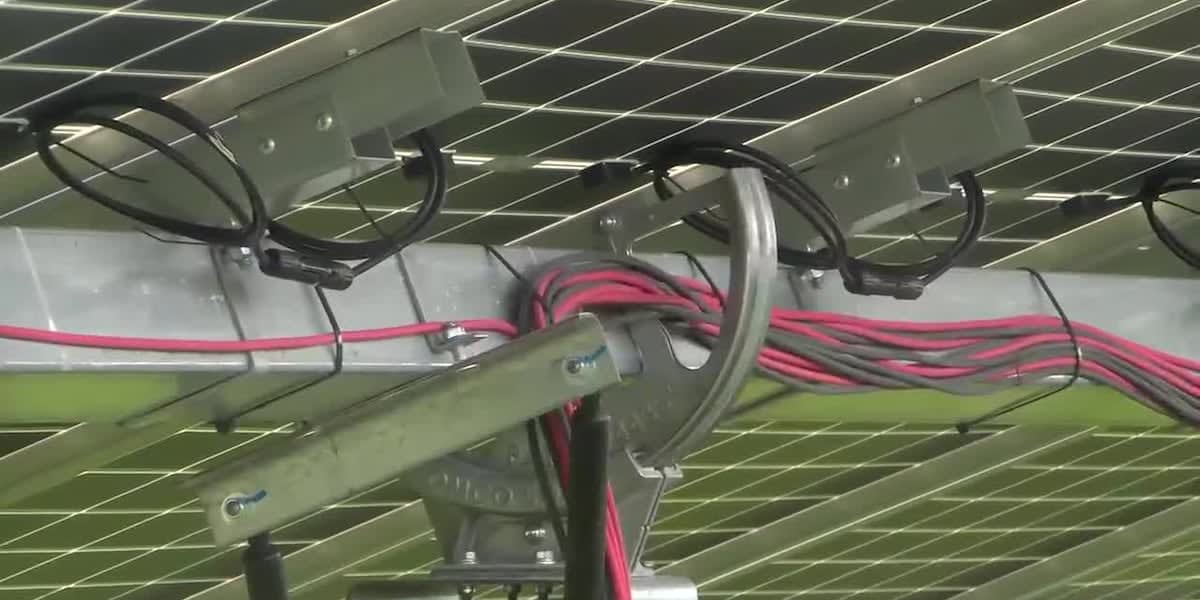
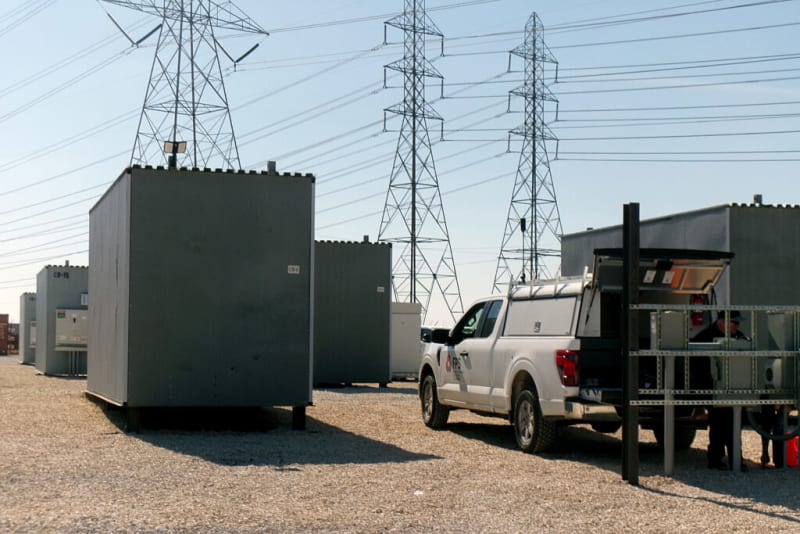
B2U Storage Solutions transformed 500 retired EV batteries into a 24 megawatt-hour energy storage facility just east of San Antonio. The batteries charge up during midday when Texas has excess solar and wind power, then sell electricity back to the grid when demand peaks and prices rise.
It's like giving these batteries a whole new career after retirement. The project proves that EV batteries don't become useless once they leave your car.
B2U plans to connect three more battery sites to the Texas grid, bringing total capacity to 100 megawatt hours. That's enough energy to power roughly 3,300 homes for an entire day.
The company designed its systems to work with any brand of EV battery, from Tesla to Nissan to Ford. The batteries arrive in plug-and-play steel mesh containers that cost less than $200 per kilowatt hour, making them competitive with brand new battery installations.
Texas desperately needs more grid capacity. The state's Electric Reliability Council of Texas has credited battery storage systems with helping prevent blackouts during extreme weather events in recent summers and winters.
California company Element Energy already has 900 second-life EV batteries storing power in Texas. Meanwhile, Redwood Materials built a 63 megawatt-hour microgrid using retired EV batteries to power an AI data center in Nevada, delivering cheaper electricity than the traditional grid could provide.
The Ripple Effect
This innovation solves multiple problems at once. It extends the useful life of expensive battery materials, reduces waste from the growing number of electric vehicles, and provides affordable energy storage that makes renewable power more reliable.
The timing couldn't be better. As more electric vehicles hit the road, we'll have more retired batteries available just as the grid needs more storage to handle increasing amounts of solar and wind power.
Some analysts question whether reusing EV batteries can compete economically with recycling them or exporting used EVs to emerging markets. Newer batteries designed specifically for grid storage also last longer than older EV batteries.
But B2U's Freeman Hall remains optimistic. "This is super scalable," he said. "We designed them to be very safe, very effective, but cost effective, too."
The project shows how creative thinking can turn one industry's waste into another industry's resource, making both cleaner and more efficient in the process.
Based on reporting by Inside Climate News
This story was written by BrightWire based on verified news reports.
Spread the positivity!
Share this good news with someone who needs it